

A woman is facing a challenging situation as she questions her role as her husband’s future caregiver amidst his chronic neurological condition. In a recent couples therapy session, she uncovered her husband’s underlying fears surrounding her willingness to care for him should his health deteriorate over time. This revelation has left her feeling unsettled and questioning her own future commitment.
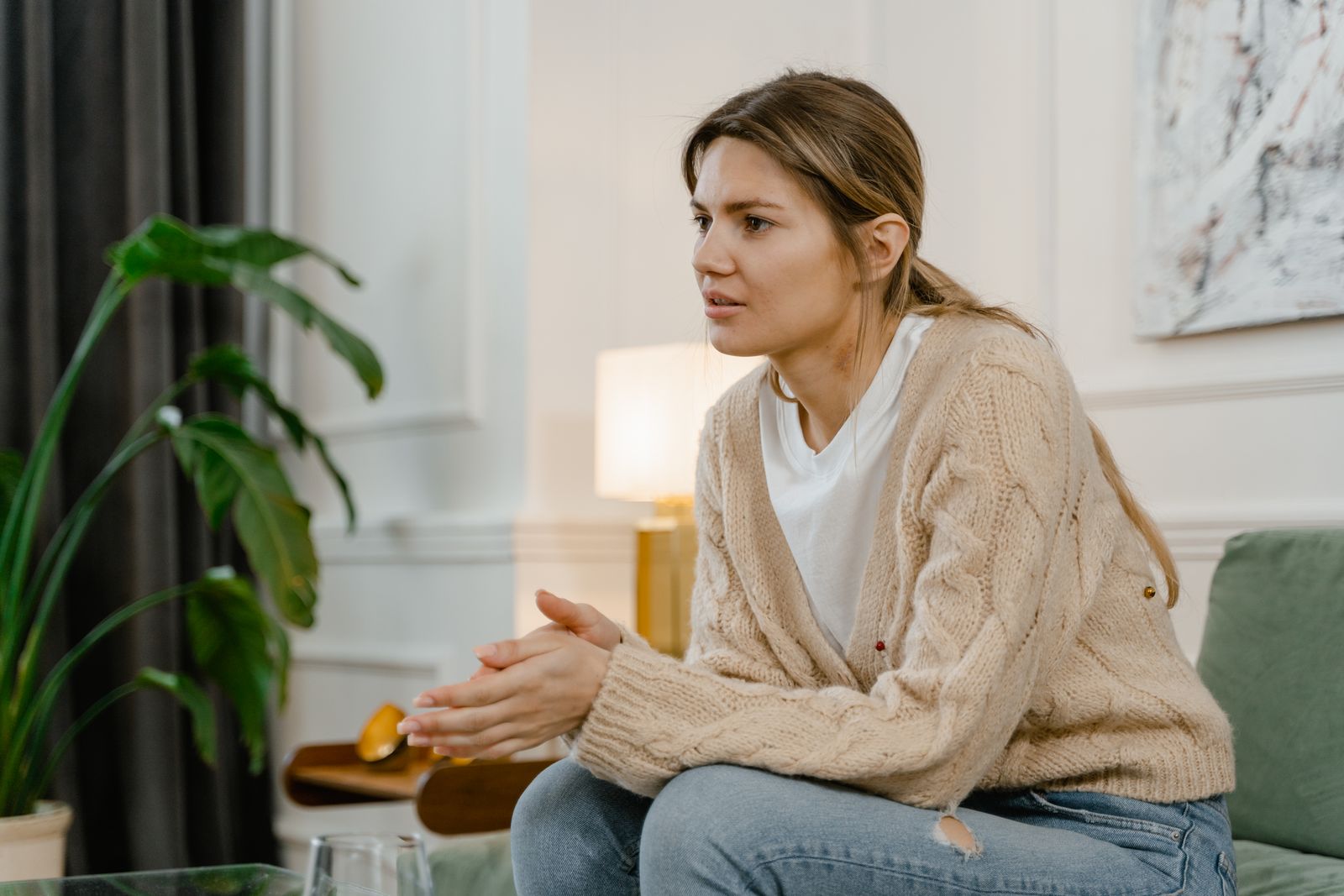
Her husband’s condition is not life-threatening but poses the risk of increased care needs as he ages. Currently, he works, stays active, and cares for their young child, but the underlying tension around future caregiving responsibilities has begun to surface in their daily interactions. During therapy, it became clear to the woman that her husband fears she might not look after him adequately in the future, which has caused her to reflect on their relationship dynamics.
Despite her understanding of his fears, the woman expressed worry that he views her primarily as his future caretaker. Recently, she has experienced resentment from him whenever she expresses a need for rest. On one occasion, after he spent a day in the hospital, she took a brief moment to lie down due to a migraine. Her husband’s anger and refusal to acknowledge her pain during that time led to a lengthy argument, further complicating their relationship.
The therapy sessions revealed that her husband’s emotional state often regresses to that of a child when he is frightened or in pain. In those moments, he seems unable to recognize her health needs as valid. For the woman, this has resulted in a psychological struggle; she feels compelled to prioritize his fears over her own health, leading to feelings of being trapped in a caregiver role for which she is not prepared.
She has noticed a pattern in which her husband makes promises to support her but often fails to follow through when faced with difficult tasks. This inconsistency has made her question whether he could genuinely provide care for her if their roles were reversed. The woman acknowledges that relationships are not always equal but believes that her needs should still hold significance, even when her husband is struggling.
Compounding her concerns is the reality of her own health issues and the health struggles of her family. With the uncertain future of both her health and her husband’s, she feels uneasy about the assumption that she will naturally become his main caregiver. Instead, she proposes a realistic plan that includes professional services and broader support systems rather than relying solely on her to be the caregiver.
She admits that part of her feels guilty for questioning her ability to provide care. However, she also believes that a healthy relationship should foster mutual concern, even if it cannot always manifest in equal physical support. As she faces this internal conflict, she is left wondering if it is reasonable to expect that a spouse can play a vital role in caregiving without being viewed as the sole solution for future health needs.
One person told her that it is essential to recognize her feelings and concerns. Another reader commented that caregiving should not come at the expense of one’s own health and well-being. Many have rallied behind her, affirming that questioning her ability to be a caregiver does not make her a bad spouse; it makes her realistic about the complexities of caregiving in a relationship.
The woman grapples with her thoughts while contemplating the best way to communicate her needs to her husband. Despite the support she has found in her online discussion, she is still uncertain about how to navigate her concerns while ensuring both her and her husband’s emotional and physical well-being.
More from Vinyl and Velvet:

Leave a Reply