

A mother from the southern United States has gone viral after recounting an awkward encounter at a grocery store with a stranger who took issue with how she dressed her 18-month-old daughter. What began as a casual shopping trip quickly escalated into a confrontation over gender representation and parenting choices.
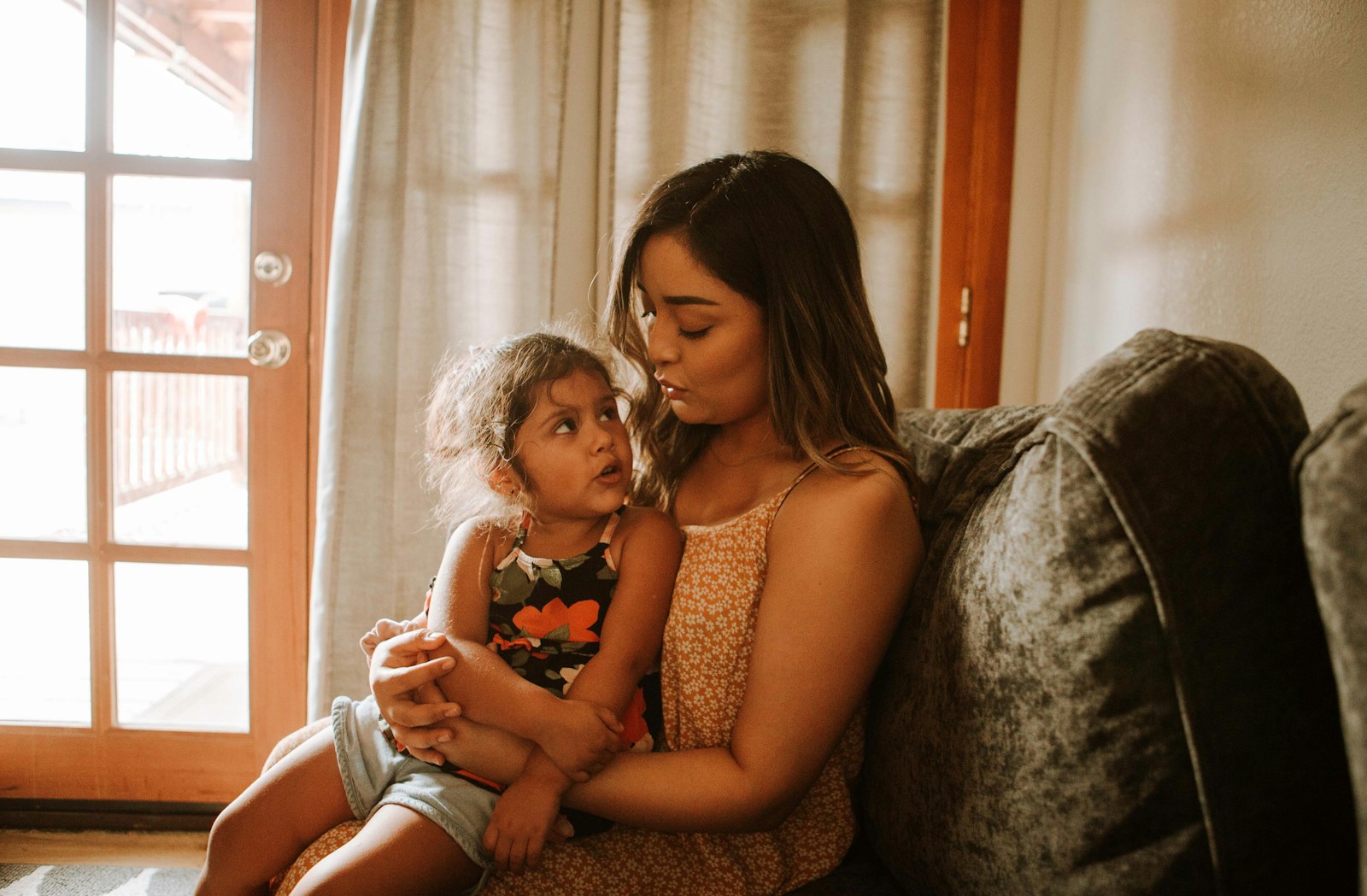
The mother was in line at the checkout with her young son and daughter when a woman in her mid-50s commented on her “cute little boys.” The mother politely corrected the stranger, noting that her youngest was, in fact, a girl. Dressed in a blue tank top with pink stripes and the word “princess” emblazoned on it, the mother felt her daughter’s outfit already conveyed her gender clearly.
However, the stranger insisted that the mother should style her daughter’s hair or add bows to make her gender even more obvious to others. The mother reacted strongly, explaining that she didn’t care what others thought about her child’s appearance. This statement did not sit well with the woman, who labeled the mother as rude and continued to hurl insults, eventually calling her a “bitch.”
Unfazed, the mother matched the energy of the exchange, replying with a straightforward “piss off.” The cashier at the checkout reportedly chuckled at the interaction, witnessing the increasing tension between the two women.
After the encounter, the mother discussed the incident with a colleague who has a child around the same age as her daughter. To her surprise, the colleague said she was in the wrong for not dressing her daughter in a way that would make her gender easily identifiable to strangers. This feedback left the mother questioning if her response was truly justified.
In an edit to her original post, the mother clarified that she was not offended by the initial misgendering of her child but felt provoked by the stranger’s insistence on how she should dress her daughter. “It’s wild to me,” she wrote, “how people who don’t pay someone’s mortgage, put food on their table, or contribute to any of their household resources think they have the right to dictate how somebody lives.”
The mother’s experiences resonate with many who have faced unsolicited parenting advice from strangers. Some expressed support for the mother’s stance, emphasizing personal freedom in parenting choices. One person told her, “It’s your child; dress her how you see fit.”
Others, however, sided with the stranger, arguing that gender representation is important, especially for young children. This commentary reflects a broader societal debate on gender norms and expectations, particularly as they relate to children’s clothing and identity. The mother expressed confusion about why her decision to allow her daughter to express herself in a way that felt natural to her became a point of contention. “It’s just a reflexive response, like when a cashier asks how your day is going,” she explained, highlighting the everyday nature of her exchange.
As the story gained traction online, many readers were quick to share their own experiences with unsolicited parenting advice. Another reader remarked, “People need to mind their own business when it comes to how others raise their kids.” This point resonated with the mother, who feels that societal pressure to conform to certain expectations can be overwhelming.
The situation illustrates the deep-seated beliefs many have about gender and how it should be expressed, especially in children. It also raises questions about the role of societal norms in dictating personal choices, particularly for parents. The mother feels strongly that her primary responsibility is to her child and that external opinions should not influence how she raises her kids.
With the incident still fresh in her mind, the mother continues to reflect on whether she could have handled the situation differently or if her response was entirely justified given the circumstances. The feedback from her colleague has added another layer of complexity to her feelings about the confrontation.
Ultimately, the mother is left grappling with the question of whether to let this encounter slip into the past or to confront it further, possibly even addressing the societal pressures that prompted the stranger’s comments. The ongoing debate surrounding how children express their identities shines a light on the challenges many parents face today.
More from Vinyl and Velvet:

Leave a Reply