

If you grew up in the ’90s, you probably assumed a lot of everyday magic was just part of life, not something with a price tag. Only later did you realize how many “free” childhood staples were quietly subsidized by parents, schools, or taxpayers, and how many of today’s versions are locked behind subscriptions and fees. Looking back, it can be jarring to see how those once‑invisible costs now show up on your monthly statements.
1) Dial‑Up Internet Minutes
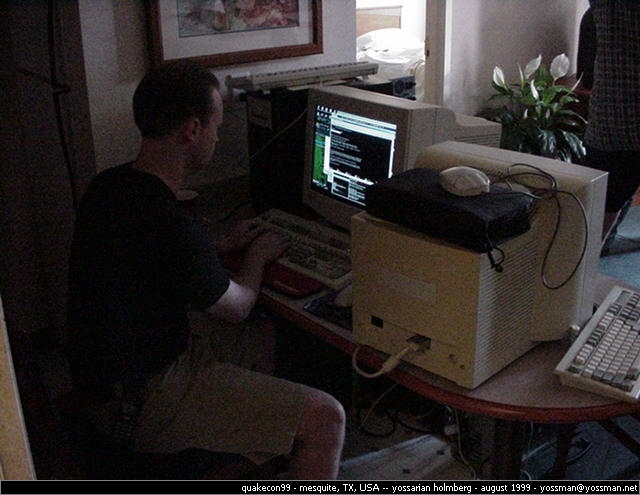
Dial‑up internet minutes felt limitless when you were a kid, even though every screeching connection was quietly racking up charges. You just heard the modem, opened AOL, and disappeared into chat rooms or early game sites, assuming the connection was as free as turning on the TV. In reality, parents were juggling per‑minute plans, long‑distance fees, and strict rules about when you could log on so the phone line stayed open.
That early sense that “being online” was just part of home life makes today’s metered data plans and tiered broadband packages feel like déjà vu. Now you pay for higher speeds, extra cloud storage, and ad‑free streaming on top of basic access. The shock comes when you realize that what once felt like a household utility was always a billable service, and the modern version simply hides the meter behind unlimited‑sounding bundles and auto‑renewing subscriptions.
2) After‑School TV and Cartoons
After‑school TV blocks and Saturday morning cartoons seemed like a free reward for surviving the school day. You flipped on Nickelodeon or Fox Kids, never thinking about cable tiers, licensing deals, or the cost of the box under the TV. For many ’90s kids, the only visible “price” was sitting through commercials, which felt like an annoyance rather than the engine paying for the shows you loved.
Today, that same screen time is sliced into streaming platforms, premium add‑ons, and rental fees. Parents now budget for multiple services just to recreate the mix of cartoons, sitcoms, and movies that once came bundled with a single cable bill. When you compare that to the looser, ad‑supported viewing your childhood normalized, it becomes clear that what felt like free entertainment was always a carefully monetized pipeline, only now the costs are more fragmented and more obviously tied to each show or channel.
3) School Computer Labs
School computer labs in the ’90s felt like a public playground for technology, stocked with machines you could use for Oregon Trail, typing games, or early word processing. You walked into a room full of beige desktops and assumed they were just part of school, like desks or chalkboards. No one talked about hardware budgets, software licenses, or the maintenance contracts that kept those machines running.
Behind the scenes, districts were already wrestling with how to fund equipment, training, and repairs, a tension that still shapes debates over educational spending. Modern discussions about digital access, from one‑to‑one laptops to classroom tablets, echo that same hidden cost structure. When you realize that your “free” lab time depended on ongoing investments and policy choices, it reframes those childhood memories as early encounters with publicly funded tech infrastructure rather than costless perks.
4) Library Cards and “Free” Media
For many ’90s kids, a library card was a golden ticket to free books, CDs, and sometimes even VHS tapes. You checked out stacks of Goosebumps, grabbed a soundtrack or two, and maybe used a public computer, all without opening your wallet. It felt like a pure gift from the universe, not a service underwritten by local taxes, grants, and careful budgeting.
That illusion of costless access can make it surprising, as an adult, to see how much civic infrastructure sits behind those shelves. Public funding debates, detailed in documents like letters from officials and community leaders, show how every “free” checkout depends on line‑item decisions. When you now pay for audiobooks, e‑book subscriptions, or premium research tools, it becomes clear that the library’s model of shared, prepaid access was the exception, not the rule, in a culture that increasingly charges per stream or download.
5) Playground Time and Youth Sports
Recess and pickup games felt like the definition of free fun, especially if you grew up hearing older relatives talk about the unsupervised activities described in pieces on things kids in the 80s did. You ran around on school playgrounds, joined informal basketball games, or played soccer in the park without thinking about liability insurance, equipment costs, or field maintenance. The only currency that seemed to matter was who brought the ball.
As organized youth sports expanded, those casual games turned into fee‑based leagues, travel teams, and branded uniforms. Families now pay registration fees, tournament costs, and even private coaching for activities that once felt spontaneous. The shift highlights how childhood play has been professionalized and monetized, turning what you assumed was a universal, no‑cost part of growing up into a structured industry that can exclude kids whose families cannot afford the escalating price of participation.
6) Health Quirks and Doctor Visits
Many ’90s kids treated odd health quirks as just part of who they were, not as potential medical issues that might require paid care. You might have brushed off recurring headaches, strange skin reactions, or unusual sensations as harmless, only to learn later that such unusual body experiences can signal conditions that need professional attention. The realization that something you normalized could involve specialist visits, tests, and prescriptions can be jarring.
That shift from “this is just me” to “this might be a billable diagnosis” exposes how opaque health costs were when you were young. Parents often shielded kids from insurance paperwork and copays, so care felt free at the point of use. As an adult navigating deductibles and networks, you see how every checkup, scan, or therapy session carries a price, and how easily unaddressed childhood issues can become expensive if they were never evaluated when they first appeared.
7) Field Trips and School Events
Field trips, assemblies, and school events often felt like bonus days built into the academic calendar. You climbed onto buses for museum visits, science centers, or historical sites, assuming they were simply part of your education. In many cases, parents quietly covered permission‑slip fees, fundraisers filled gaps, or schools absorbed costs so students could participate without thinking about money.
As budgets tightened, those experiences increasingly depended on explicit payments, sponsorships, or scaled‑back itineraries. Public records such as confirmation hearings on federal programs, where officials say things like “Let me ask each of you” and “Then they brought it back during a hearing where no new facts of significance were,” show how funding decisions ripple into classrooms. When you now see itemized charges for trips or pay‑to‑enter school events, it underlines how what once felt like a built‑in part of childhood is vulnerable to policy shifts and budget cuts.
8) Phone Calls and Texting Friends
Calling a friend from the kitchen phone or sending your first text messages felt like simple communication, not a metered service. In the ’90s, you might have memorized numbers and talked for hours, only learning about long‑distance charges when a bill arrived. Early cell phones added prepaid minutes and per‑text fees, but as a kid, you often experienced those limits as arbitrary rules rather than direct costs.
Today’s unlimited talk and text plans hide the meter inside bundled pricing, while data usage, international calls, and app‑based services quietly add new layers of expense. Group chats, video calls, and social media messaging feel essential to staying connected, yet they ride on top of paid infrastructure and devices. Realizing that every casual “call me later” from your childhood depended on someone else managing those costs can change how you see modern communication, where the true price of staying reachable is spread across monthly bills, hardware upgrades, and in‑app purchases.
More from Vinyl and Velvet:

Leave a Reply