

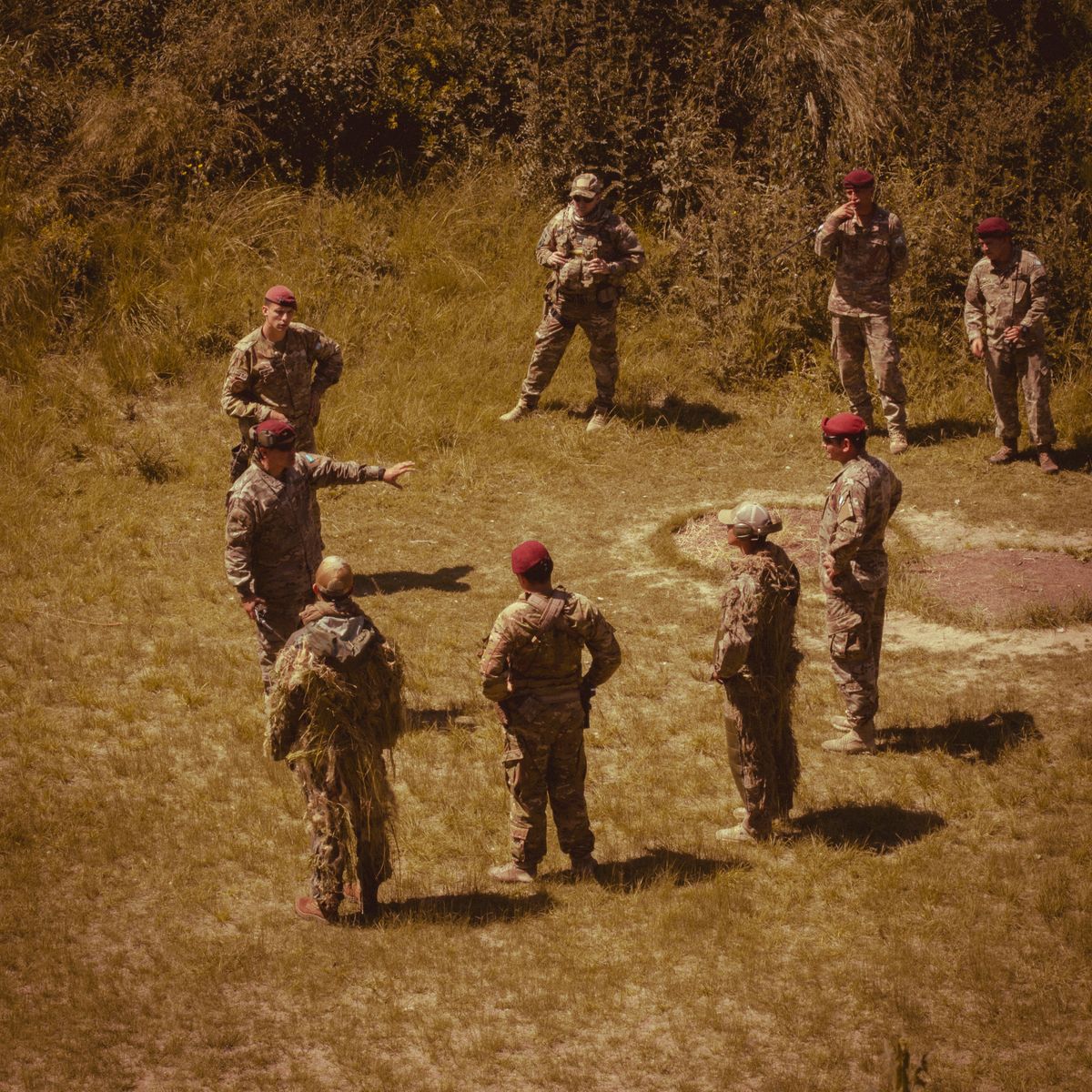
A recent international military exercise at a Spanish air base took an unexpected turn as soldiers contended with a series of absurd vehicle registration rules. What started as a logistical task of registering rental cars spiraled into a chaotic tug-of-war between military personnel and local authorities.
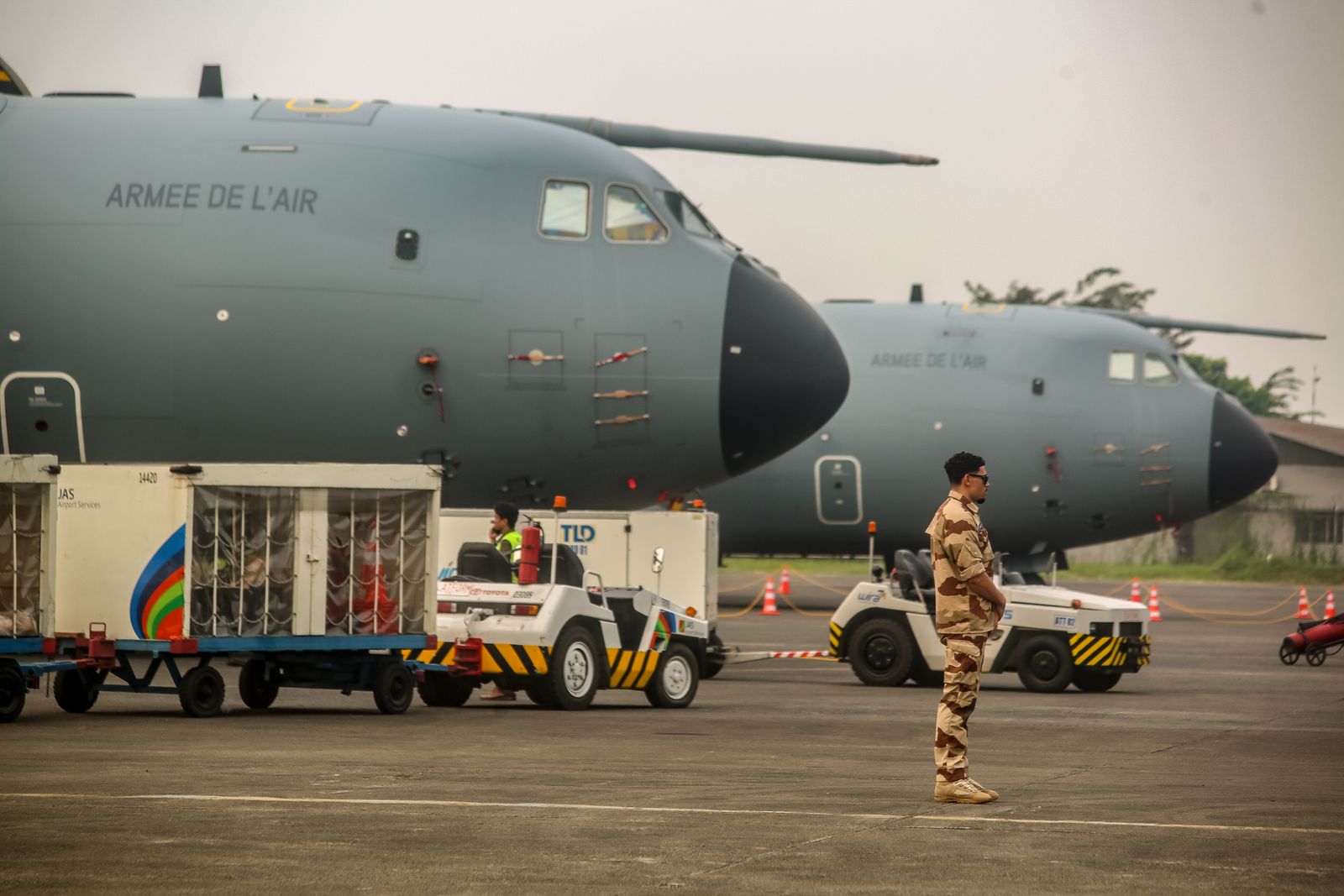
Approximately 200 U.S. Air Force members, including a small advance party of 15, deployed to Spain for this exercise. Their mission included preparing to register around 50 rented vehicles to facilitate their operations on base. Initially, everything went smoothly; each soldier was allowed to register up to five cars under their names, enabling the smooth transition of vehicles as personnel arrived.
However, the situation changed drastically after just a couple of days. An official notice was issued that limited each individual to registering only one vehicle. This abrupt change forced soldiers to scramble and find additional personnel to transfer excess vehicles to comply with the new rule. It became a cumbersome process, taking hours to complete what had initially been a straightforward task.
The situation grew even more complicated when guards began turning away vehicles trying to leave the base. Now, vehicles could not exit unless the individual under whose name the car was registered was physically present in the vehicle. This new regulation conflicted with the operational needs of the military unit, prompting soldiers to seek discussions with local authorities. Their attempts were met with a dismissive attitude, as officials explained that re-registration was the solution if it was “absolutely necessary.”
This response aggravated the soldiers, who felt as though they were being intentionally harassed. In an unexpected twist, they decided to employ a strategy of “malicious compliance.” Soldiers were instructed to drive to the guard office in pairs and have their vehicles re-registered, even if both already had registered cars. This led to an influx of registration changes at the guard office, with dozens of vehicles being processed daily.
Within a few short days, the guard office was overwhelmed. The routine of constant re-registrations caused the officials to reconsider their latest rule. After two days of chaos, the requirement that the registered owner be present in the vehicle suddenly vanished. The soldiers had successfully overturned the absurd regulation through sheer numbers and persistent compliance with the rules as they were laid out.
The entire episode highlighted the challenges soldiers face when adapting to foreign bureaucratic systems, especially under time-sensitive operational needs. For military personnel accustomed to a structured environment, navigating the unpredictable local bureaucracy proved frustrating. The experience underscored how quickly things can go awry when rules fluctuate without clear communication.
One reader shared their thoughts, saying, “It’s infuriating when local authorities don’t recognize the unique needs of military operations. They need to be more flexible.” Another remarked, “I can’t believe they tried to enforce such a ridiculous rule. It’s great to see the soldiers push back!”
As the dust settled on the vehicle registration debacle, the soldiers returned to their primary mission. Yet, the episode served as a reminder of the complexities involved in international collaboration. Each rule change seemed to layer onto the previous one, creating a more convoluted path for those trying to fulfill their duties.
While the exercise continued without further bureaucratic hurdles, the soldiers were left contemplating the next unpredictable twist in their deployment. Would future rules be equally challenging, or had they weathered the storm? The camaraderie formed during this struggle would stay with them as they looked toward their remaining time in Spain.
More from Vinyl and Velvet:

Leave a Reply