

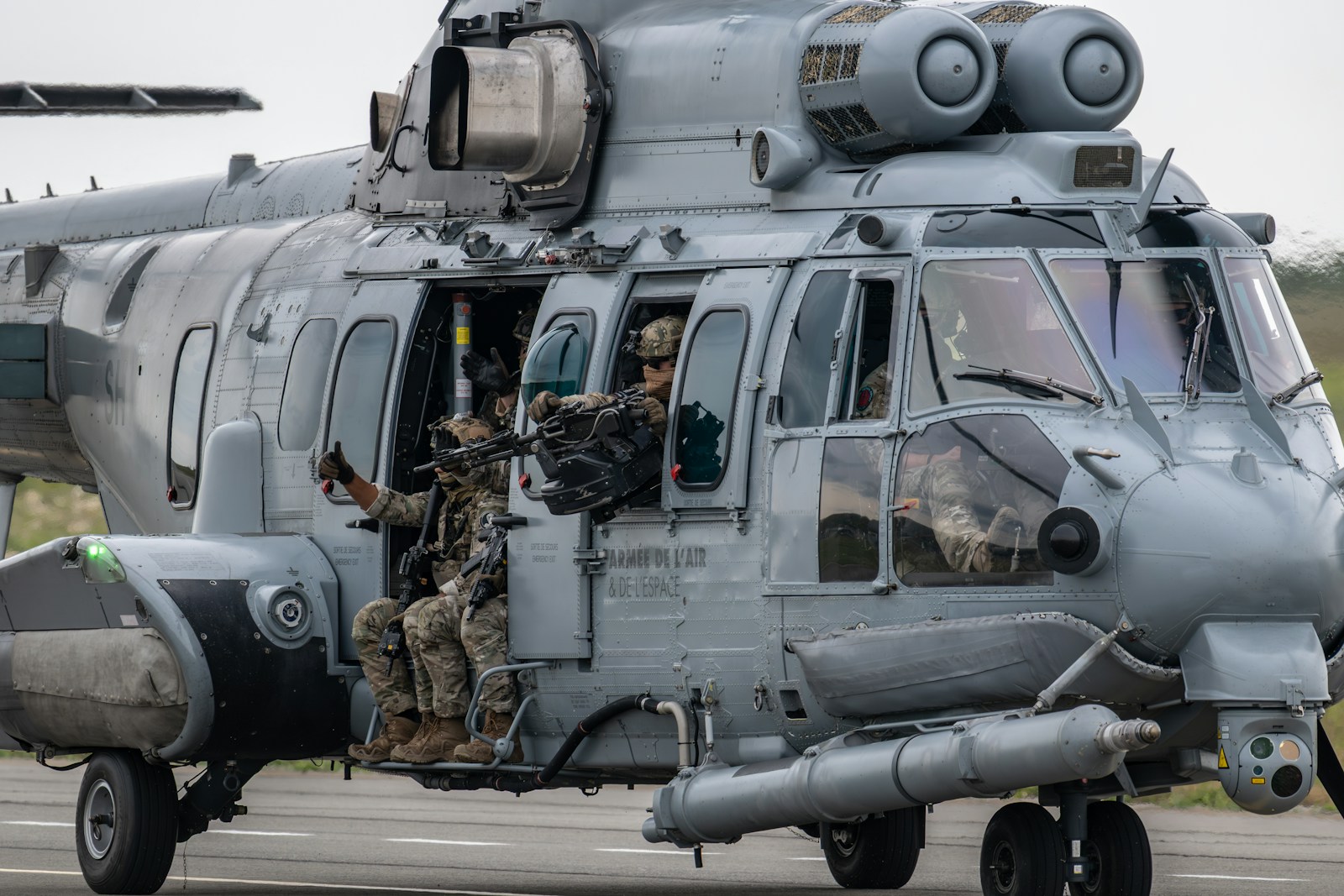
A Spanish Air Force base became the unlikely stage for a high-octane tale of compliance and chaos during an international air force exercise. Tensions flared when a logistical decision spiraled into a dramatic spectacle at the crack of dawn, awakening base personnel with an unexpected roar.

The exercise brought together fighter jets and crews from various nations for a series of combat training missions. As part of the preparation, a site survey was conducted six months prior. The visiting contingent had meticulously coordinated procedures, including how to refuel and defuel the aircraft, ensuring everything would run smoothly. However, the reality on the ground quickly unraveled those plans.
After several successful flights, one aircraft reported an electrical fault linked to an external fuel tank. This issue typically could have been resolved swiftly through a standard defueling operation. However, the Spanish base’s response was not as accommodating as initially agreed upon. Suddenly, the request for a defueling truck was met with a string of bureaucratic hurdles.
Initially, the team expected a straightforward process where fuel could be extracted and replaced efficiently. Instead, they were informed that a fuel sample was required and would need to be sent for laboratory analysis, delaying the defueling process by several days. This presented a significant setback, as it meant the jet would be grounded—and several pilots would miss crucial training opportunities.
Frustrated, the team decided to escalate the situation. When a liaison nonchalantly suggested, “Then just burn the fuel if it’s that important,” they took the comment literally. The next morning at 5:30 a.m., while most of the base was still asleep, the defiance against complacency and red tape erupted into action.
Four crew members approached the parked fighter jet in the early morning haze, and within moments, the engines roared to life. The sheer power unleashed was enough to dry the asphalt beneath the aircraft and send a cloud of debris flying. The scene transformed into a maelstrom of sand, dust, and small stones that shot into the air and drifted into an open shelter belonging to the Spanish Air Force.
In just 25 minutes, the team burned through 1,700 kilograms of jet fuel, completing the defueling task while adhering to no formalities. Shortly afterward, the faulty external tank was replaced, and by 7:00 a.m., the aircraft was mission-capable once again.
However, the early morning spectacle did not go unnoticed. The commanding officer received an unexpected invitation to meet with the Spanish base commander, who likely wanted to discuss the unauthorized wake-up call. Meanwhile, Spanish personnel were left to clean up the debris scattered in the shelter, a task that took them two full hours.
After the situation was explained, the Spanish side agreed to allow the defueling truck for future use without requiring prior sample analysis, bending to the necessity of expediency in military operations. The liaison officer who had suggested the burning of fuel found himself at the center of a longer meeting with the base commander. Reports indicated that the commander’s displeasure could have been heard all the way to the runway if not for the cacophony of planes taking off.
The clash of cultures and operational expectations highlighted the underlying tensions that can arise during joint exercises. For the pilots and crews, the early morning chaos simply showcased their resolve to get the job done, while for the Spanish Air Force officials, it represented a breach of protocol—one that would not easily be forgotten.
One reader reflected, “That’s one way to make your point! Sometimes it takes a little explosive action to break through the red tape.”
Another criticized the base’s initial response, stating, “It’s ridiculous to delay such a simple operation. Safety should come first, but so does efficiency.”
The incident left the participating nations questioning the balance between operational procedures and practical needs. Some suggested that humorous or unconventional solutions could sometimes yield the quickest results when bureaucratic systems become too rigid.
Despite the rocky start, the team continued to move forward with their training. However, the early-morning jet blast remained a topic of discussion among crew members and Spanish officials alike. It served as a reminder of the unpredictability that often accompanies international military exercises.
More from Vinyl and Velvet:

Leave a Reply