

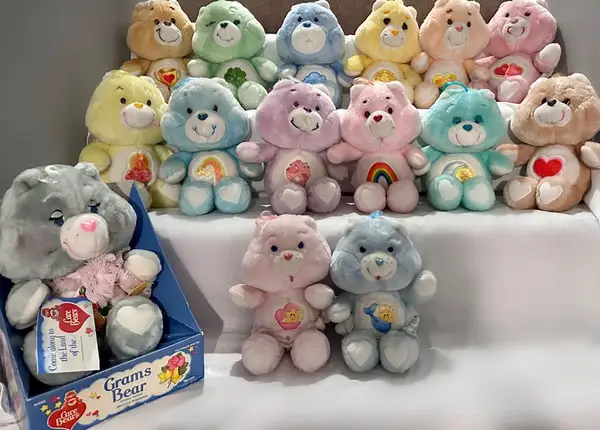
The toys of the 1980s did more than fill toy chests, they defined what childhood looked and felt like for an entire generation. From plastic action figures to blinking handheld games, certain playthings became shorthand for growing up in that decade. Here are 10 toys that captured that experience so completely that they still shape how you remember the ’80s today.
1) The Toys That “Defined the ’80s”
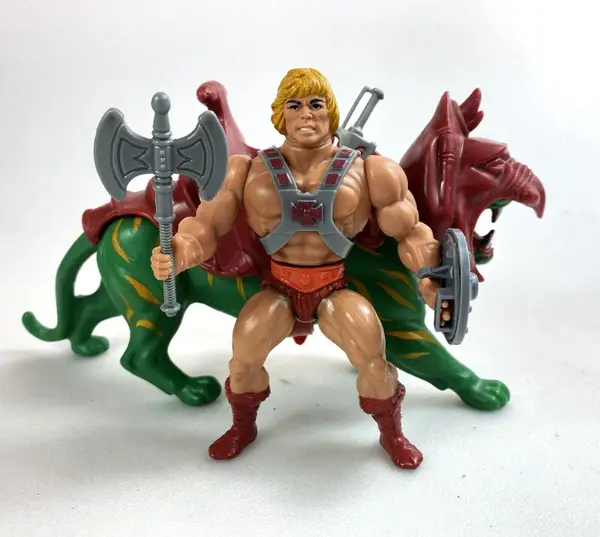
The phrase “toys that defined the ’80s” is not nostalgia alone, it reflects how specific products became nearly unavoidable in that decade. A detailed look at 30 toys that defined the 1980s explains that these standouts earned their status because they were widely owned, heavily advertised on television, or otherwise culturally ubiquitous. Talking stuffed animals, handheld video games, and plastic figurines were not niche hobbies, they were the default backdrop of childhood.
When a toy is everywhere, it shapes how you and your peers remember growing up, from playground conversations to birthday photos. These mass-market hits turned bedrooms into mini showrooms for 1980s consumer culture, making the decade’s kids early experts in branding and character universes. That saturation is why, decades later, a single glimpse of a familiar figure or game screen can instantly transport you back to the carpeted floors and flickering CRTs of your youth.
2) The “Ultimate Birthday Wish List”
If everyday play defined the rhythm of 1980s life, the birthday wish list captured its biggest dreams. A feature on 13 toys that shaped the ultimate birthday wish list shows how certain items became the presents kids begged for most. These were the boxes you circled in catalogs, the commercials you memorized, and the toys you lobbied parents and grandparents to buy months in advance.
That intense desire turned specific toys into status symbols, signaling who had scored the “big” gift that year. When everyone in your class wanted the same few items, those toys effectively set the social calendar, from sleepovers built around new playsets to playground debates over whose gadget was better. The wish list itself became a cultural script, teaching you what counted as must-have and cementing those toys as emotional milestones in your childhood timeline.
3) Popular ’80s Toys That “Make You Want to Go Back in Time”
Some 1980s toys are remembered not just as products but as emotional time machines. A roundup of popular toys from the 1980s promises they will “make you want to go back in time,” underscoring how strongly they trigger memories. These are the items that instantly recall the feel of a plastic controller in your hand, the sound of pieces clacking together, or the ritual of setting up a favorite playset on the living room floor.
Labeling these toys as “popular” matters, because it means your memories are shared with millions of others who played the same games and collected the same figures. That shared nostalgia fuels everything from retro reboots to online fan communities, where adults revisit the exact toys that once filled their afternoons. In effect, these objects now function as personal and collective time capsules, letting you briefly step back into the world of your childhood.
4) Nostalgic Toys “Worth a Fortune Today”
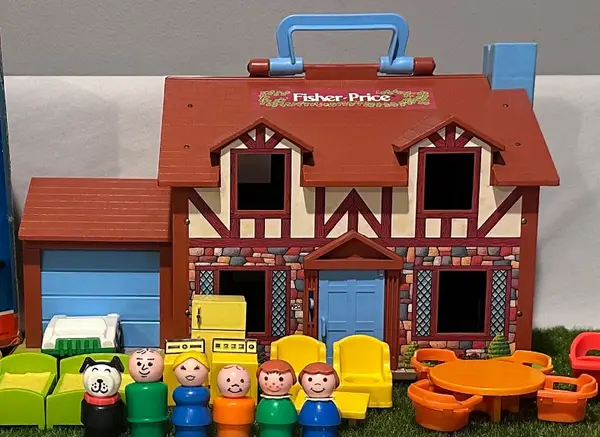
Not every 1980s toy stayed in the toy box. Some migrated into display cases and auction catalogs, turning childhood favorites into serious investments. A guide to nostalgic 80s and 90s toys that are shockingly valuable today shows how certain figures, dolls, and games are now “worth a fortune,” especially in pristine condition. What once felt disposable, from cardboard packaging to tiny accessories, has become crucial to resale value.
This shift from plaything to collectible highlights how deeply these toys defined a generation. The same emotional pull that makes you smile at an old commercial now drives collectors to pay high prices to reclaim a piece of their past. It also reflects a broader trend in which nostalgia and scarcity intersect, turning mass-produced plastic into cultural artifacts that document how kids of the 1980s spent their time, their allowance, and their imagination.
5) From Toys to Time Capsules
Looking back, the toys that defined the ’80s now read like miniature history exhibits. The survey of 30 toys that defined the 1980s notes everything from talking stuffed animals to handheld video games, revealing how quickly technology and storytelling evolved in that decade. Each toy captures a snapshot of what kids were expected to enjoy, from military fantasy to sci-fi adventures and cute mascots.
Because these products were so widely owned, they double as cultural documents, preserving the aesthetics, marketing language, and values of the era. When you revisit them now, you are not just remembering your own playtime, you are seeing how an entire generation was introduced to electronics, licensed characters, and global franchises. In that sense, the toys function as time capsules, preserving the look and feel of 1980s childhood more vividly than many official records.
6) Birthday-List Legends

Some toys did more than appear on wish lists, they became legends you measured birthdays against. The profile of The Most Nostalgic Toys that “Will Take You Back to Your Childhood” highlights how lines like Transformers, G.I. Joe, and He-Man dominated kids’ imaginations. It specifically points to “Transformers,” “G.I. Joe: A Real American Hero,” and “He-Man” as shorthand for the era’s biggest obsessions.
When a franchise like “G.I. Joe: A Real American Hero” or “Transformers” topped birthday lists year after year, it turned characters into shared cultural language. You and your friends knew the same storylines, traded the same figures, and reenacted the same battles on bedroom floors. These birthday-list legends helped standardize what “cool” looked like for 1980s kids, reinforcing how a handful of toy lines could define the decade’s play culture.
7) Nostalgia That Pulls You “Back in Time”
Beyond big-box toys, even simple gadgets can yank you straight back to the 1980s. A short feature on Nostalgic Toys of the 80s singles out Squeeze toys as a staple of childhood, noting how characters “From Garfield” and other favorites turned soft rubber into must-have desk and backpack companions. These inexpensive items were everywhere, from school fairs to corner stores.
Because Squeeze toys were so tactile and portable, they became constant background characters in your day, squeezed during class, traded on the bus, and lined up on shelves. Their survival in memory shows that defining toys were not only the expensive centerpieces but also the small, ever-present objects that anchored daily routines. When you see one now, the sensory memory of its texture and smell can be as powerful as any elaborate playset.
8) From Playroom to Collector’s Market
The journey from toy aisle to collector’s market is not accidental, it reflects how deeply these objects are woven into personal histories. A look at forgotten 80s toys that are now collectors’ items explains that nostalgia mixed with scarcity has turned once-common playthings into treasures. The kids who grew up with them now have adult incomes and a desire to reclaim what they lost or never owned.
This trend shows how toys that defined childhood can later reshape adult spending and even investment strategies. Items that once cluttered playrooms now sit in protective cases, their value tied to how vividly they evoke a specific time and place. For you, that means the plastic spaceship or action figure you remember may now be part of a global market built on shared memories of the 1980s.
9) What “Defined Your Childhood,” Then and Now
The idea that media can “define your childhood” is not limited to toys. A list of ’90s family movies that defined your childhood shows how a later generation points to specific films as the core of its youth. That framing makes it easier to see how 1980s kids experienced something similar with toys, treating certain action figures, dolls, and games as the pillars of their everyday lives.
By comparing those ’90s movies to 1980s toys, you can trace how each generation’s defining media shifted from physical objects to screen-based stories. For 1980s children, toys were often the first way to explore fictional worlds, with cartoons and movies built around existing products. That interplay between screen and shelf meant the toys did not just accompany childhood, they actively structured it, much like beloved films did for kids a decade later.
10) Why Certain Toys Define a Generation
When you pull together the evidence on 1980s toys, a pattern emerges about why some items come to define a generation. Detailed rundowns of 20 ICONIC Toys from The 1980s invite you to “Let” your mind “Journey” back through the decade, while other retrospectives on top 80s toys urge you to “Step” into the past and “Discover the” icons that shaped childhoods. Together with reporting on defining toys, ultimate wish lists, nostalgic favorites, and valuable collectibles, they show that ubiquity, desire, emotional pull, and later scarcity all play a role.
In practice, that means the toys you saw in every commercial, begged for on birthdays, played with daily, and now hunt for in vintage shops are the ones that truly defined 1980s childhood. They bridged home and school, screen and imagination, past and present. When you recognize them today, you are not just remembering a product, you are revisiting the shared experiences that made growing up in the ’80s feel like its own distinct world.
More from Vinyl and Velvet:

Leave a Reply