

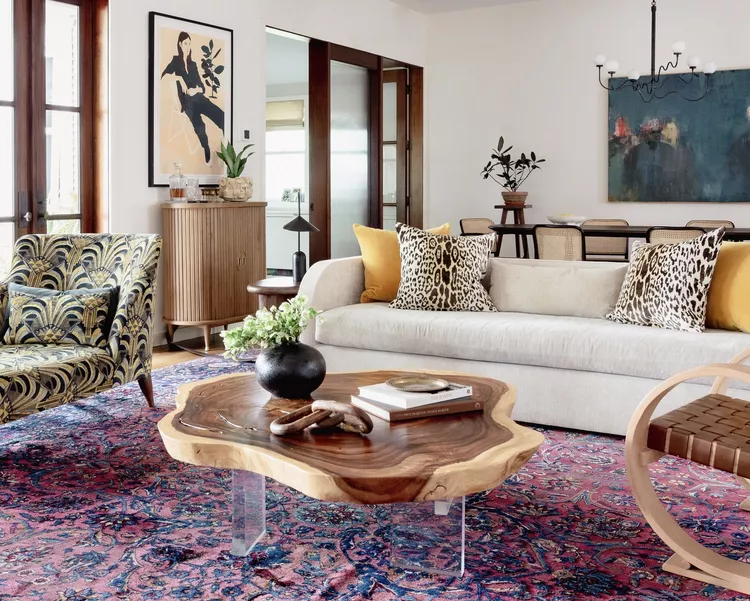
When you picture a truly retro home, you probably see a very specific decade: the 1970s. From bold patterns to quirky gadgets, certain objects instantly transport you back to that era, and spotting them in a room still makes the space feel frozen in time. These nine home items screamed “1970s” then, and when you recognize them now, you can decide whether to lean into the nostalgia or quietly retire them.
1) Avocado-Green Kitchen Appliances
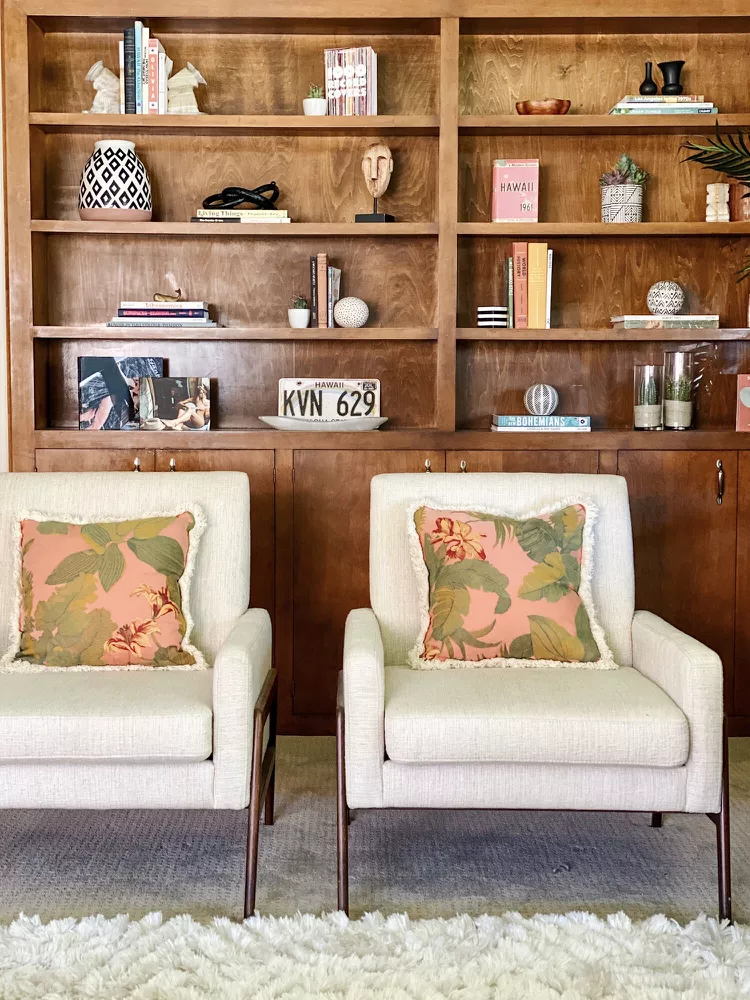
Avocado-green kitchen appliances defined the 1970s, turning fridges, stoves, and dishwashers into statement pieces instead of neutral backdrops. The decade’s taste for saturated color meant you often saw entire suites of appliances in the same green, coordinated with matching countertops and laminate cabinets. That kind of uniformity reflected a broader appetite for strong visual identities at home, where your kitchen signaled that you were current with the times rather than clinging to earlier, muted palettes.
Today, when you walk into a house and see an original avocado-green refrigerator, you instantly read the room as a time capsule. The color can still appeal if you like vintage flair, but it also narrows your options when you try to update flooring, backsplash, or hardware. For buyers and renters, those appliances can signal looming replacement costs, which affects how they value the rest of the property’s features.
2) Shag Carpeting Wall to Wall
Shag carpeting, especially in long, plush piles, was another hallmark of 1970s interiors, spreading from living rooms into bedrooms and even bathrooms. The thick fibers promised comfort and a casual, lounge-ready vibe, which fit the decade’s shift toward informal entertaining at home. In many split-level houses and ranches, you would see shag in oranges, browns, or golds, echoing the era’s earth-tone obsession and making every step feel like sinking into a soft, fuzzy cloud.
In a contemporary context, wall-to-wall shag instantly dates a space, not just visually but functionally. Deep pile traps dust and allergens, which clashes with current expectations around indoor air quality and easy cleaning. Homeowners who inherit original shag often face the cost and disruption of removal, and that practical burden shapes how they prioritize other upgrades, from new flooring to improved insulation and windows.
3) Wood Paneling in Every Room
Wood paneling, especially dark faux-wood sheets, turned countless 1970s basements and dens into moody, cocoon-like retreats. The material was relatively affordable and quick to install, which made it a go-to choice for finishing lower levels or refreshing older plaster walls. In many homes, paneling wrapped entire rooms, from floor to ceiling, creating a clubby atmosphere that matched the decade’s fondness for conversation pits and low-slung seating.
When you encounter that same paneling today, it often signals that a room has not been touched in decades. The visual weight of the dark surfaces can make spaces feel smaller and dimmer, which conflicts with current preferences for bright, open layouts. Owners must decide whether to paint, replace, or embrace the paneling, and that decision affects both renovation budgets and how potential buyers imagine using the space for work, play, or rental income.
4) Harvest Gold Everything
Harvest gold rivaled avocado as the signature color of 1970s kitchens and dining areas, appearing on appliances, tile, and even telephones. The warm, mustard-like shade aligned with the decade’s broader palette of browns and oranges, aiming to bring a cozy, autumnal feel into everyday life. You would often see harvest gold paired with dark wood cabinets and patterned vinyl flooring, creating a layered look that felt rich at the time.
In a modern home, a harvest-gold oven or sink instantly reads as a relic, even if it still functions. That perception shapes how you, as a homeowner, weigh the trade-off between character and resale value. Keeping the color can appeal to niche buyers who love mid-century and 1970s design, while replacing it with stainless steel or white surfaces aligns with mainstream expectations and can influence appraisal outcomes and buyer interest.
5) Built-In Conversation Pits
Conversation pits, sunken seating areas carved into the floor, captured the 1970s fascination with social, flexible living spaces. Often lined with low cushions and shag rugs, these pits encouraged lounging, face-to-face talk, and a break from formal, upright furniture arrangements. They also visually divided open-plan rooms without adding walls, which suited the era’s experiments with new layouts and entertaining styles.
Today, a surviving conversation pit is a dramatic signal that a house has not been heavily remodeled since the 1970s. While some design enthusiasts champion their revival, others see them as tripping hazards or awkward to furnish, especially for families with children or older adults. That tension affects renovation decisions, as filling in a pit can be costly but may broaden the home’s appeal and improve accessibility for a wider range of occupants.
6) Macramé Plant Hangers and Wall Art
Macramé plant hangers and wall art brought a handcrafted, bohemian touch to 1970s homes, with knotted cords suspending spider plants and ferns in sunny windows. The craft’s popularity reflected a broader interest in do-it-yourself projects and natural materials, as people embraced rope, jute, and wood instead of purely synthetic decor. In many living rooms, macramé pieces shared space with hanging chairs and woven wall hangings, reinforcing a relaxed, earthy mood.
When you see original macramé in a home today, it often signals that the decor has roots in that decade, even if other elements have been updated. The style has seen periodic revivals, but vintage pieces can still stand out because of their scale, color, or patina. For homeowners, deciding whether to keep or retire macramé touches becomes part of a larger conversation about how much 1970s character to preserve as they modernize lighting, furniture, and art.
7) Oversized Stereo Consoles and Record Cabinets
Oversized stereo consoles and record cabinets turned music listening into a central feature of 1970s living rooms. These long, low units often combined turntables, radios, and storage for vinyl records, making them both furniture and technology. Their presence reflected how important albums and curated listening were to home life, long before streaming compressed music into invisible apps and wireless speakers.
Spotting one of these consoles today immediately evokes the 1970s, even if the rest of the room has been updated. The sheer footprint of the furniture contrasts with current trends toward compact, multiroom audio systems. For collectors and audiophiles, preserving or restoring a console can be a passion project, while others see it as a bulky obstacle that must be removed to free up space for desks, media centers, or flexible seating arrangements.
8) Library Corners and DIY Cataloging
Library corners in 1970s homes often mirrored institutional practices, with shelves, index cards, and personal systems for organizing books and media. In that same decade, a librarian named Clive Phillpot created a policy “unlike any other in the history of the museum” and did so “Without asking,” highlighting how cataloging and classification could be deeply personal and even quietly radical. That spirit filtered into domestic spaces, where people experimented with their own ways of arranging knowledge and culture on their shelves.
When you encounter a 1970s-style home library, complete with typed labels and card files, it instantly feels of that era, even if the books span many decades. The meticulous systems can be charming but also intimidating for new occupants who prefer digital tools. Deciding whether to keep those analog structures affects how you use the room, whether as a study, a guest space, or a hybrid work area that blends print and screen-based research.
9) Instructional Posters and Home Study Nooks
Instructional posters and home study nooks reflected the 1970s emphasis on self-improvement and structured learning at home. Educational materials often urged you to provide background information and clearly DEFINE key concepts, echoing the guidance found in writing handbooks and classroom resources of the time. Families carved out corners with desks, task lamps, and wall charts to support homework, correspondence courses, and personal projects.
Seeing those original study setups today, complete with laminated grammar charts or math tables, immediately evokes the 1970s approach to education in the home. The analog tools contrast sharply with laptops and tablets, yet they also highlight enduring priorities around clarity and focus. For current homeowners, choosing whether to preserve a vintage study nook or convert it into a flexible workspace shapes how the household balances nostalgia with the demands of remote work, online schooling, and everyday digital life.
More from Vinyl and Velvet:

Leave a Reply