

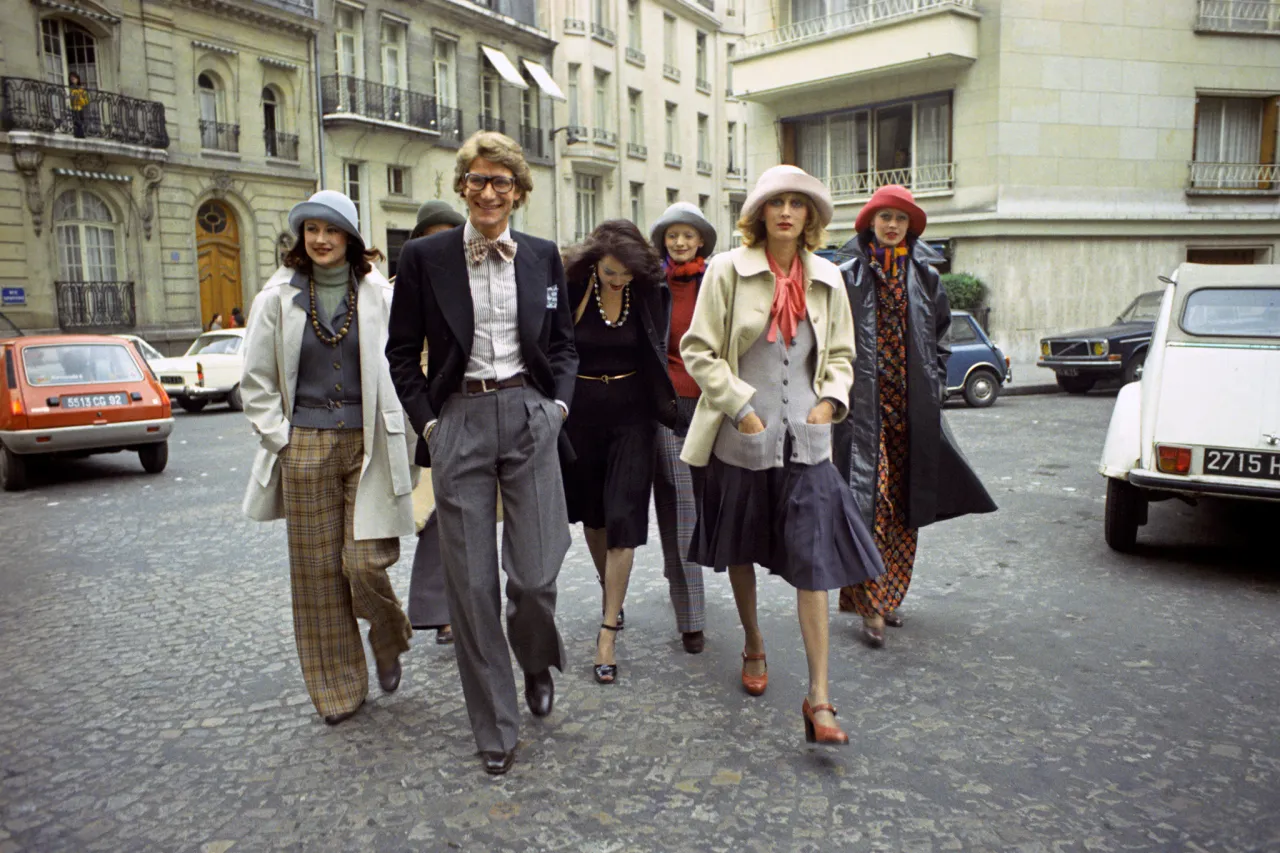
The most unforgettable ’70s fashion moments still shape how you dress today, from flared jeans to red-carpet suiting. The decade’s biggest style images broke rules in ways that still echo through current trends, proving that the era’s love of individuality never really left. Here are nine ’70s looks you still see referenced, reworked, and reposted.
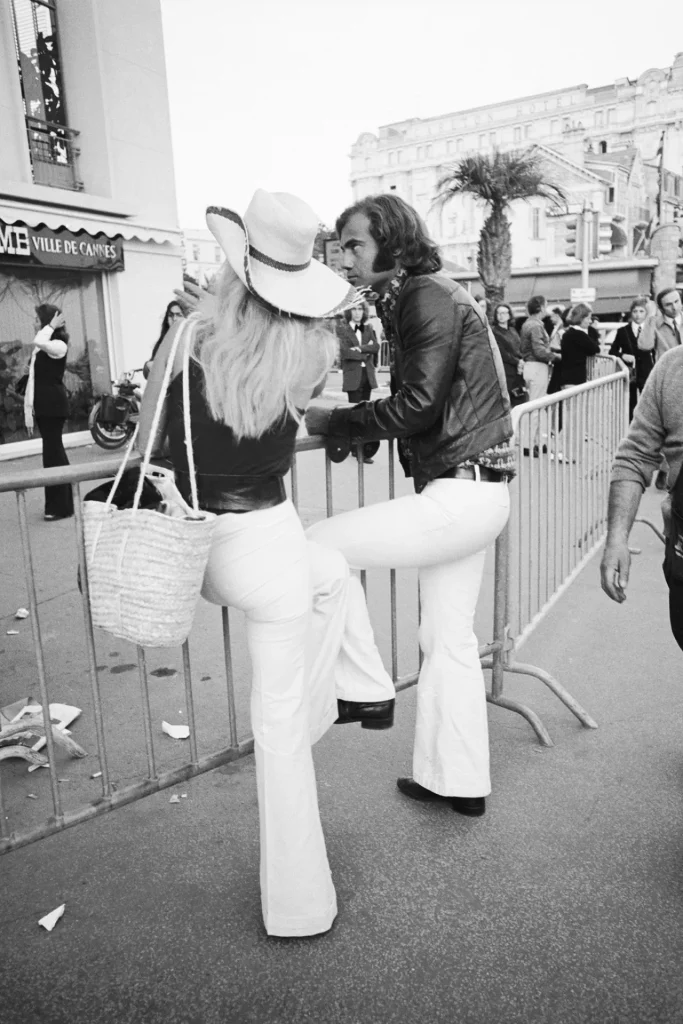
1) Farrah Fawcett’s feathered hair and California casual
Farrah Fawcett’s signature feathered hair is one of the 37 fashion moments from the ’70s that set trends overnight, and it remains shorthand for effortless glamour. Her flipped layers, athletic tees, and high-waisted jeans created a sporty, sun-drenched look that felt radically relaxed compared with the structured styles of earlier decades. When you see modern blowouts with soft movement and face-framing layers, you are looking at a direct descendant of that original Farrah silhouette.
The power of Farrah’s image shows how a single celebrity can crystallize an entire mood. Her casual separates made it acceptable to treat denim and T-shirts as style statements rather than off-duty basics. That shift still matters for you today, because it underpins the idea that “everyday” pieces can carry as much impact as eveningwear when the cut and styling are right.
2) John Travolta’s White Disco Suit in Saturday Night Fever
John Travolta’s White Disco Suit is another of the 37 era-defining looks that turned into instant visual shorthand for the 1970s. The sharp, three-piece tailoring, worn with a black shirt and wide collar, captured the glamour of the disco floor and the confidence of a new nightlife culture. Every time you see a white suit on a dance-themed runway or costume rack, it is quietly nodding to that original moment.
The suit’s staying power also explains why tailoring never fully disappears from trend cycles. Even when silhouettes change, the idea of a bold, monochrome suit as a vehicle for self-expression keeps returning. Contemporary designers who revisit disco references, and even some 1980s-inspired power looks, still borrow that mix of sharp lines and high-shine attitude that Travolta made iconic.
3) Diane Keaton’s Menswear in Annie Hall
Diane Keaton’s Menswear in Annie Hall is explicitly cited among the 37 fashion moments that set trends overnight, and it continues to define how you think about borrowed-from-the-boys dressing. Her vests, oversized blazers, neckties, and slouchy trousers looked improvised, yet they rewrote the rules for how women could wear tailoring. Instead of trying to mimic a traditional suit, she layered pieces in a way that felt personal and slightly offbeat.
That approach still underpins modern androgynous style. When you reach for a boxy blazer over a floaty dress or pair wide-leg trousers with sneakers, you are echoing the relaxed confidence of that Annie Hall wardrobe. The look also paved the way for later decades of gender-fluid fashion, influencing everything from minimalist ’90s suiting to the relaxed silhouettes that dominate many Spring/Summer 2025 collections.
4) The rise of flared jeans and wide-leg trousers
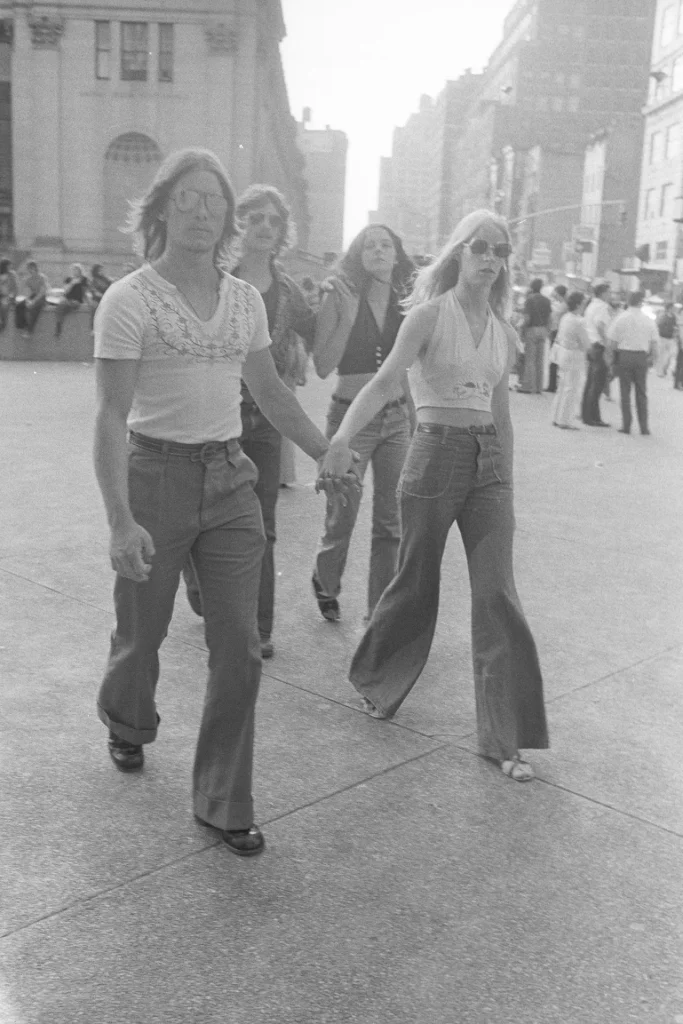
Flared jeans and wide-leg trousers became everyday essentials in the 1970s, reflecting a broader shift toward comfort and movement. As Explaining 1970s Fashion notes, Fashion in the 1970s was all about expressing individuality and breaking conventions, and denim was one of the easiest ways to do that. Wider hems and dramatic bell-bottoms let you play with proportion, whether you were pairing them with platform shoes or simple sneakers.
The silhouette’s influence is still visible whenever wide-leg jeans cycle back into trend reports. Later decades reinterpreted the shape, from slouchy ’90s denim to the high-waisted flares that keep returning to street style. For you, the lesson is that a strong trouser shape can anchor an entire outfit, signaling era-specific attitude while remaining surprisingly adaptable to new fabrics and finishes.
5) Glam rock sparkle and stagewear excess
Glam rock in the 1970s turned stagewear into a laboratory for extreme fashion, with glitter, metallic fabrics, and exaggerated silhouettes that pushed far beyond everyday dressing. This movement fit perfectly with the decade’s emphasis on individuality, proving that clothes could be theatrical armor as much as practical covering. Sequined jumpsuits, platform boots, and bold makeup created a total look that still inspires costume designers and pop stars.
Even if you never wear head-to-toe sparkle, you feel glam rock’s legacy in every sequin dress and metallic boot that hits the high street. Later eras of performance style, from power-shouldered ’80s icons to the high-shine pieces that sit alongside more casual items in ’90s-influenced wardrobes, all borrow from that fearless approach. The message is clear: fashion can be a performance, and sometimes the most memorable looks are the least subtle.
6) Bohemian maxi dresses and prairie romance
Bohemian maxi dresses became a defining ’70s uniform, combining flowing silhouettes with earthy prints and embroidery. These pieces aligned with the decade’s countercultural spirit, offering an alternative to structured officewear and formal dresses. The length and volume felt liberating, allowing you to move easily while still making a strong visual statement.
That romantic, prairie-inflected aesthetic resurfaces whenever designers lean into ruffles, florals, and tiered skirts. Modern festival style, cottagecore imagery, and many long-sleeved floral dresses trace their DNA back to this moment. The ongoing appeal lies in how these dresses balance comfort with drama, giving you a way to express personality without relying on tight fits or overtly revealing cuts.
7) Jumpsuits as a one-and-done statement
The 1970s popularized the jumpsuit as a sleek, futuristic alternative to separates, worn everywhere from discos to daytime errands. Whether rendered in denim, jersey, or shimmering fabrics, the one-piece silhouette offered a streamlined canvas that could be dressed up or down. It fit the era’s appetite for experimentation while still feeling practical, since you only needed one garment to create a full outfit.
Today’s utility jumpsuits and tailored one-pieces owe a clear debt to those early versions. Designers keep revisiting the idea because it solves a styling problem for you, delivering instant polish with minimal effort. The jumpsuit’s endurance across decades, including its reinvention alongside more relaxed shapes in later trends, shows how a strong concept can outlive the specific fabrics or colors that first made it famous.
8) Sporty separates and the casual revolution
Sporty separates, from track-style jackets to striped tees, helped drive a casual revolution in the 1970s. Influenced by icons like Farrah Fawcett, who paired athletic pieces with denim, this shift blurred the line between workout gear and everyday clothes. The result was a new visual language where comfort signaled confidence rather than sloppiness.
That mindset set the stage for everything from ’80s aerobics looks to the athleisure boom and the relaxed basics that dominate many wardrobes now. When you wear sneakers with tailoring or style a sweatshirt under a blazer, you are extending a conversation that started in the ’70s. The stakes are cultural as much as aesthetic, because these choices helped normalize the idea that you do not need formal clothes to be taken seriously.
9) The unisex and gender-fluid style shift
The 1970s also saw a visible move toward unisex and gender-fluid dressing, with shared silhouettes like flared trousers, simple tees, and relaxed shirts. Looks such as Diane Keaton’s Menswear in Annie Hall and the way many musicians styled themselves blurred traditional boundaries, reflecting a broader questioning of social norms. Fashion became a tool for signaling that identity did not have to fit into rigid categories.
That shift continues to influence how you shop and style outfits today, from neutral-fit denim to oversized knits that are not marketed to one gender. Later decades of experimentation, including some of the more fluid tailoring that sits alongside nostalgic pieces in 37 fashion moments from the ’70s, build on this foundation. The ongoing relevance proves that the most powerful ’70s fashion moments were not just about clothes, but about who gets to wear what.
More from Vinyl and Velvet:

Leave a Reply