

A Reddit user recently shared her ongoing struggle with passive-aggressive behavior from her three roommates since moving in. Despite her best efforts to maintain a peaceful living environment, she feels unwelcome and isolated in her own home.

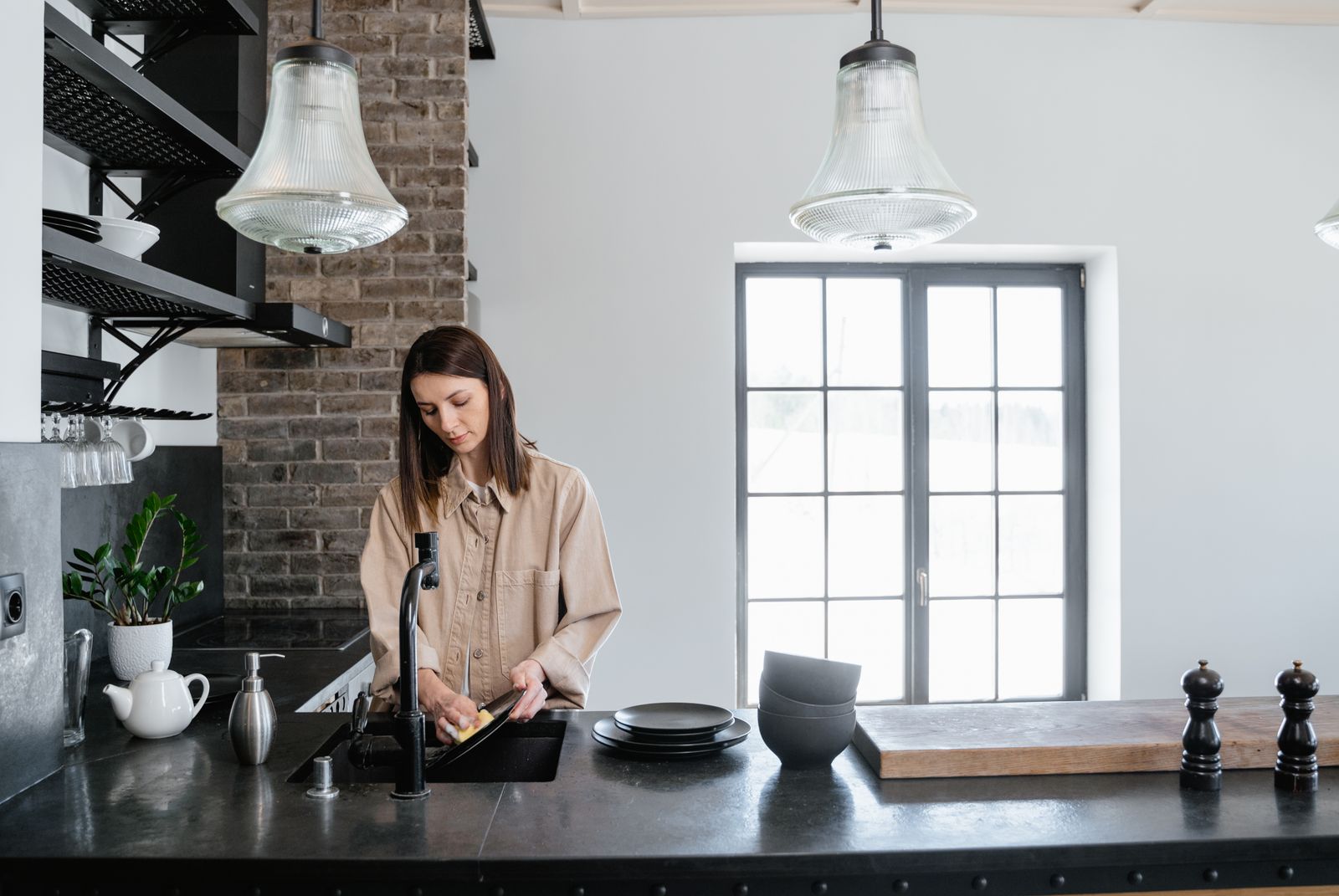
The tenant describes herself as a quiet person who keeps to her room and cleans up after herself. She takes care to ensure that everything she uses is tidy and that she does not encroach on her roommates’ space. Her routine includes cooking once a week while promptly cleaning the kitchen and taking out the trash as necessary.
However, the atmosphere in the house has become increasingly uncomfortable. When she greets her roommates with a simple “good morning,” they respond with eye rolls or curt replies before quickly leaving the room. This lack of response leaves her feeling awkward and unwanted, further pushing her to retreat to her room when they are home.
What’s striking is that while she faces this cold treatment, her roommates engage in conversations with one another. This exclusion amplifies her discomfort and sense of isolation. She mentions that she is not seeking friendship but hopes for a basic level of civility in their shared living space.
The palpable tension seems to weigh down the house, creating an environment where she feels unwelcome. The three roommates have created a dynamic that makes her presence feel heavy, as if her very existence is an annoyance.
One person on Reddit remarked on the contrasting behaviors, observing how the roommates had no problem chatting among themselves yet offered her the cold shoulder. This pointed out the inconsistency in their treatment, which can be frustrating for someone trying to be respectful and considerate.
Another user noted that this kind of behavior can lead to an even more uncomfortable living situation. They suggested that open communication might help resolve the tension, while also emphasizing that the responsibility lies with her roommates to acknowledge her presence. Such insights reveal a common understanding among many that passive-aggressive behavior often stems from unresolved issues.
Despite her clear intentions to foster a clean and peaceful home, the ongoing negative interactions have made her want to limit her presence in common areas. This could be an unfavorable long-term solution, as it fosters an increasingly uncomfortable living situation.
As of now, the tenant is left with feelings of confusion and frustration. She has tried reaching out with basic greetings, only to be met with dismissive responses. Living in a shared space should ideally mean support and respect, yet she experiences the opposite.
This situation raises questions about how one navigates passive-aggressive behavior in shared living environments. What is the best way to address unwelcoming dynamics without escalating tension? The user finds herself pondering these issues as she decides how to move forward in her living arrangement.
Ultimately, her experience sheds light on the complexities of roommate relationships and the subtle, often unspoken, tensions that can arise. Clear communication can sometimes alleviate the coldness, but it takes willingness from both sides to make it work.
As she grapples with this dilemma, the feeling of being unwelcome continues to overshadow her living situation, leaving her uncertain about the future of her shared home.
More from Vinyl and Velvet:

Leave a Reply