

A woman preparing for her sister’s wedding discovered an uncomfortable rift when she learned her long-term boyfriend was not invited as her plus one. The revelation was particularly disheartening due to the existing tension between the two sisters.
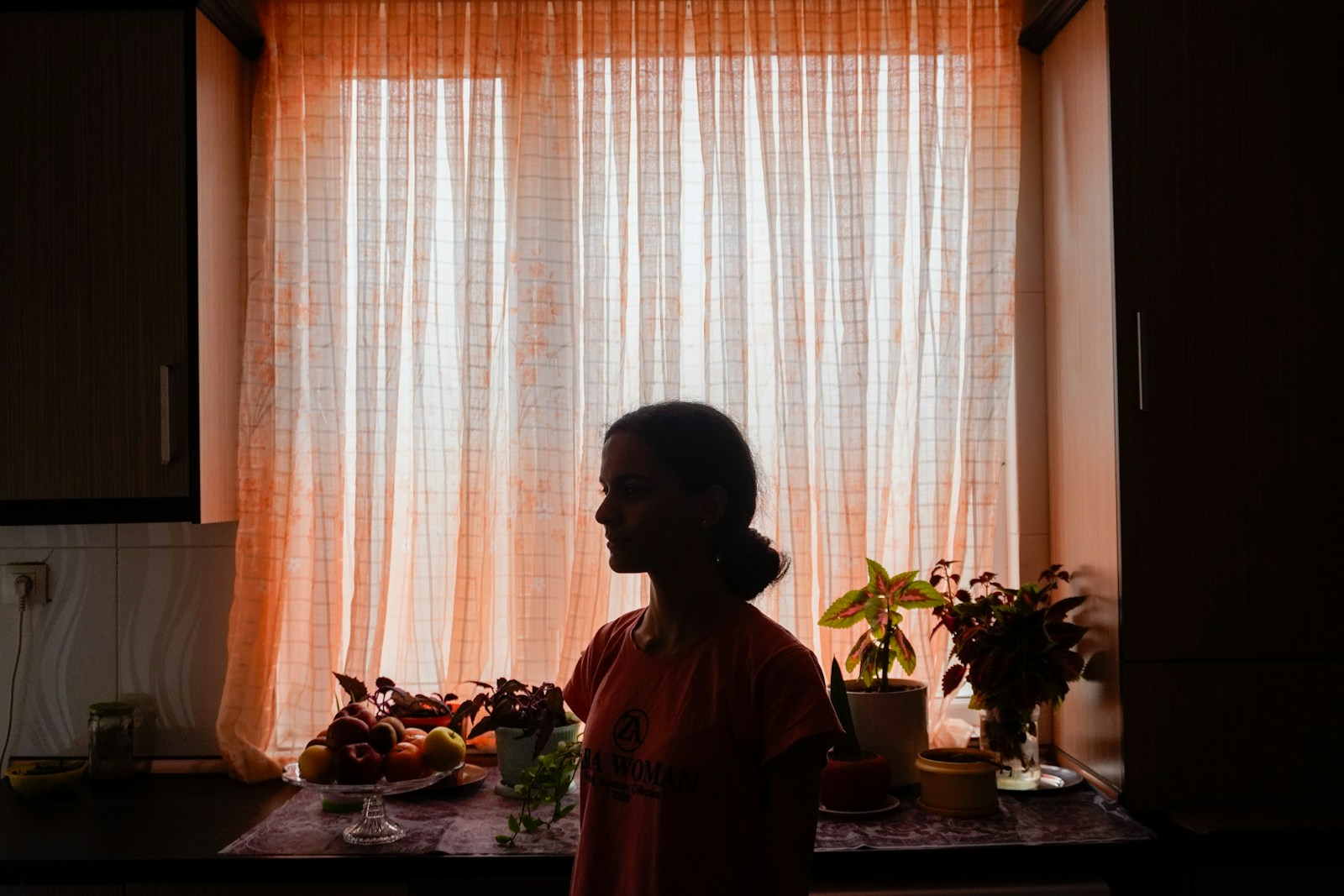
The soon-to-be bride is set to marry in August, and the woman is one of her maids of honor, a role that typically carries significant emotional weight and responsibility. This isn’t the first sign of trouble; the sisters have faced increasing distance over the past few months, which came to a head during the bachelorette party. The woman felt excluded at times, noticing her sister inviting other guests to outings while barely acknowledging her presence. This led her to withdraw, adding to the discord.
During the bachelorette trip, the bride made a comment about the plus one situation, but the woman thought it was said in jest. With her boyfriend of fifteen months only having met her sister once, she assumed that once the wedding guest list was finalized, she might still be allowed to bring him along.
When she checked the wedding RSVP website in search of confirmation, she found a stark reminder that she, in fact, did not have a plus one. Feeling confused and slightly hurt, she texted her sister to seek clarification. “Hey, I noticed on the RSVP site that I don’t have a plus one. I was just wondering if there was a reason for that?” she wrote. She added that she and her boyfriend had been together long enough that it seemed surprising not to have him invited.
To her astonishment, her sister’s response was blunt: “I’m not giving you a plus one. I didn’t give everyone a plus one. I already said during the bachelorette trip.” The follow-up message cut even deeper: “There’s only certain people and I honestly met _____ one time. I know nothing about him.” The woman’s disappointment stemmed not from the decision itself but from the coldness of her sister’s reply.
In the grand scheme of wedding planning, every couple has to make tough choices about guest lists, often driven by considerations of space and budget. However, this situation felt personal. The woman believed a more thoughtful response could have softened the blow. “If she’d just said, ‘Sorry, we’re keeping the guest list small and I’m not very close with him, I hope you can understand,’ I would’ve been fine and understood,” she lamented.
The emotional stakes were high, especially considering the charged atmosphere surrounding their relationship leading up to the wedding. The feelings of exclusion could not be brushed aside, and the distance between the sisters loomed larger than ever. While the woman recognized that it was her sister’s wedding and understood the need to limit the guest list, her sister’s dismissive tone added an unnecessary layer of hurt. The exchange was more than just a guest list issue; it felt like a reflection of their strained relationship.
One person told her, “You deserve to be included, especially when you’re so involved in the planning.” Another reader noted the importance of clear communication, especially in tight family dynamics, suggesting that both sisters needed to express their feelings openly to mend the relationship. Many echoed the sentiment that weddings can bring out the best and worst among family members, complicating even the simplest of decisions.
As the wedding date approaches, the woman faces an uncomfortable decision. She must navigate her role as maid of honor while carrying the weight of this rift with her sister. Whether or not she chooses to address the coldness head-on remains to be seen. What is clear is that the lack of a plus one has grown into a symbol of deeper family tension, overshadowing the joy that should accompany such a milestone.
More from Vinyl and Velvet:

Leave a Reply