

A couple’s wedding recently became a hot topic on social media after guests expressed outrage over the absence of an open bar, sparking a fierce debate about expectations surrounding wedding festivities. The backlash came from attendees who felt entitled to free drinks, leading to harsh criticism of the couple’s choice to implement a cash bar.
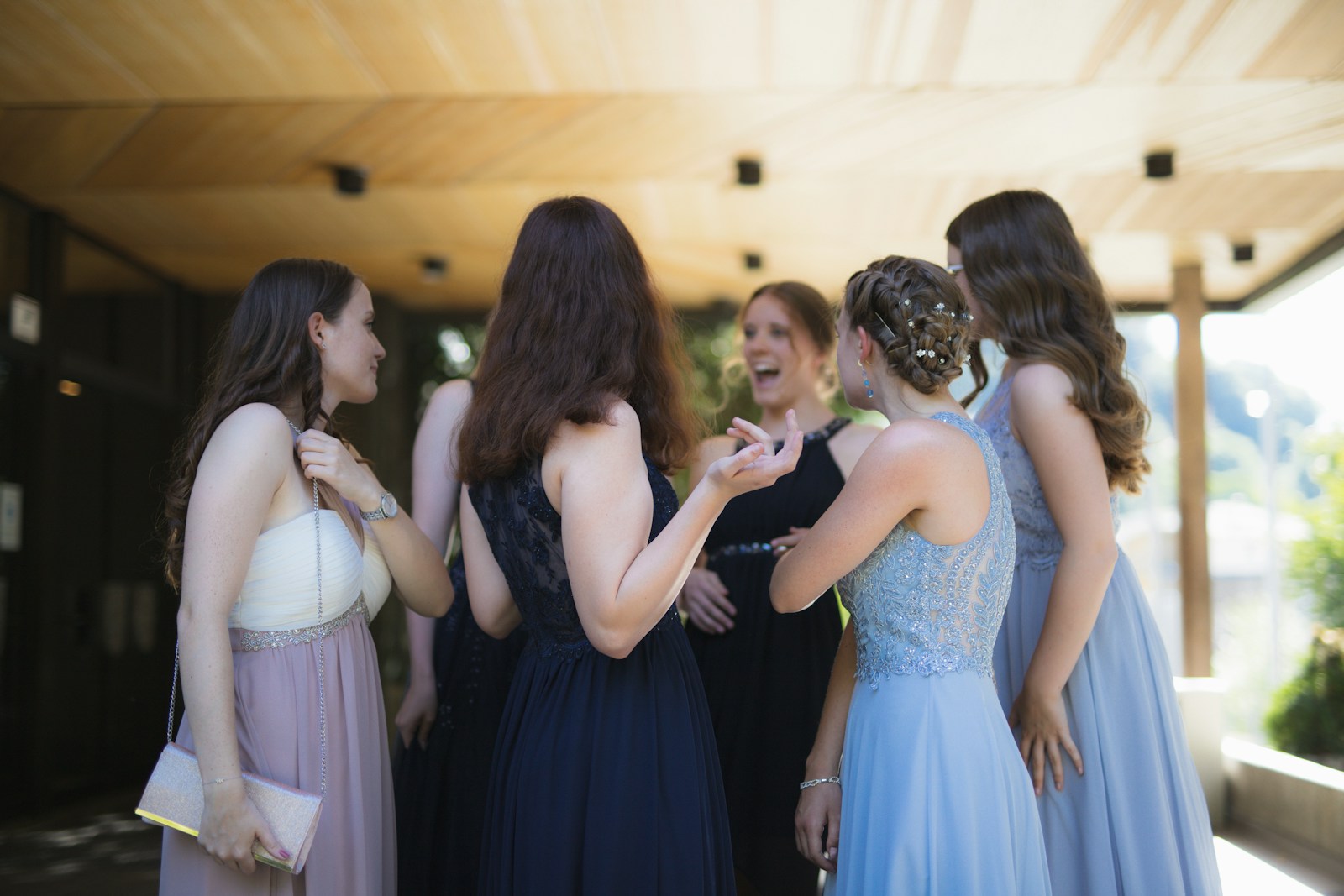
A guest at the wedding, who shared their experience on Reddit, described an atmosphere charged with discontent. Guests were vocal about their dissatisfaction, labeling the couple as “tacky” for not providing complimentary beverages. Complaints echoed through the venue as attendees whined about the costs they incurred for travel and attire, while lamenting that the couple couldn’t afford to treat them to drinks.
The guest, who identified as Asian, expressed disbelief at the entitlement displayed by other attendees. They noted a stark cultural difference in wedding expectations. In their community, weddings are about celebrating the couple and maintaining relationships. For them, attendance was a choice driven by affection and support for the newlyweds, not an obligation tied to expectations of free drinks.
This guest’s perspective is particularly relevant in a time when weddings often come with myriad costs, from catering to venue rentals. Yet, the guest maintained that their role was to be there for the couple, emphasizing that any expenses incurred—such as travel and outfits—were their responsibility alone. There was no expectation of an open bar; in fact, they felt it ridiculous that guests thought they deserved to have their drinks covered simply to enjoy the occasion.
The outcry from guests at this wedding raises a significant question: when did attending a wedding transform into an expectation of free alcohol? One person, reflecting on the incident, wondered why some guests feel the couple owes them more than just a meal and a celebration of love.
As conversations around weddings evolve, so do the expectations from guests. The Reddit post highlighted not just the grievances of guests but also sparked discussions about the broader implications of such attitudes. While some guests felt justified in their complaints, others found them excessive and entitled.
This episode resonates with ongoing discussions about wedding budgets and the increasing pressures faced by couples planning their big day. The couple in question may have had valid financial reasons for opting for a cash bar, a choice many couples make to avoid overspending. Yet, the backlash indicates a growing divide between traditional wedding customs and modern expectations.
Another reader captured a sentiment shared among those who disagreed with the cash bar complaints, stating that weddings should prioritize the couple’s happiness above guests’ expectations. “It’s their day, their choice,” the reader remarked. “If you can’t afford to enjoy yourself, maybe reconsider attending.”
As the debate continues, many are left pondering the evolving norms of wedding etiquette. The expectation for an open bar, it seems, has become an unwritten rule for some, leading to disappointment when couples choose to handle their budgets differently.
The uproar over the cash bar at this wedding reflects a larger cultural dialogue about entitlement and social gatherings. For many, the essence of attending a wedding lies in celebrating love and companionship, yet this incident illustrates how some individuals have shifted their focus to personal convenience and enjoyment.
With wedding costs rising, couples are finding it increasingly difficult to accommodate every guest’s desires. The decision of whether to provide an open bar is often weighed against budget constraints and personal priorities. Many couples are now choosing to be upfront about their choices, knowing that not every guest will agree but hoping to dispel expectations that can lead to disappointment.
The guest’s experience became a flashpoint for these discussions, as it reopened conversations about the relationship between hosts and attendees at social events. While some defend the norm of providing free drinks at weddings, others, like the original poster, argue that celebrating the couple should take precedence over personal expectations.
As for the couple at the center of this controversy, they may be left wondering how to balance their own financial limits with the expectations of their guests. For now, the narrative surrounding their wedding highlights a crucial point about the importance of understanding and respect between hosts and attendees. The guest remains conflicted about whether to voice their concerns directly to the couple or simply let the criticism fade.
More from Vinyl and Velvet:

Leave a Reply