

A recent wedding announcement has stirred controversy after a bride-to-be demanded all guests wear black for her upcoming nuptials. The unusual dress code, designed to let the bride stand out, has left some attendees feeling like they are heading to a funeral instead of a celebration of love.
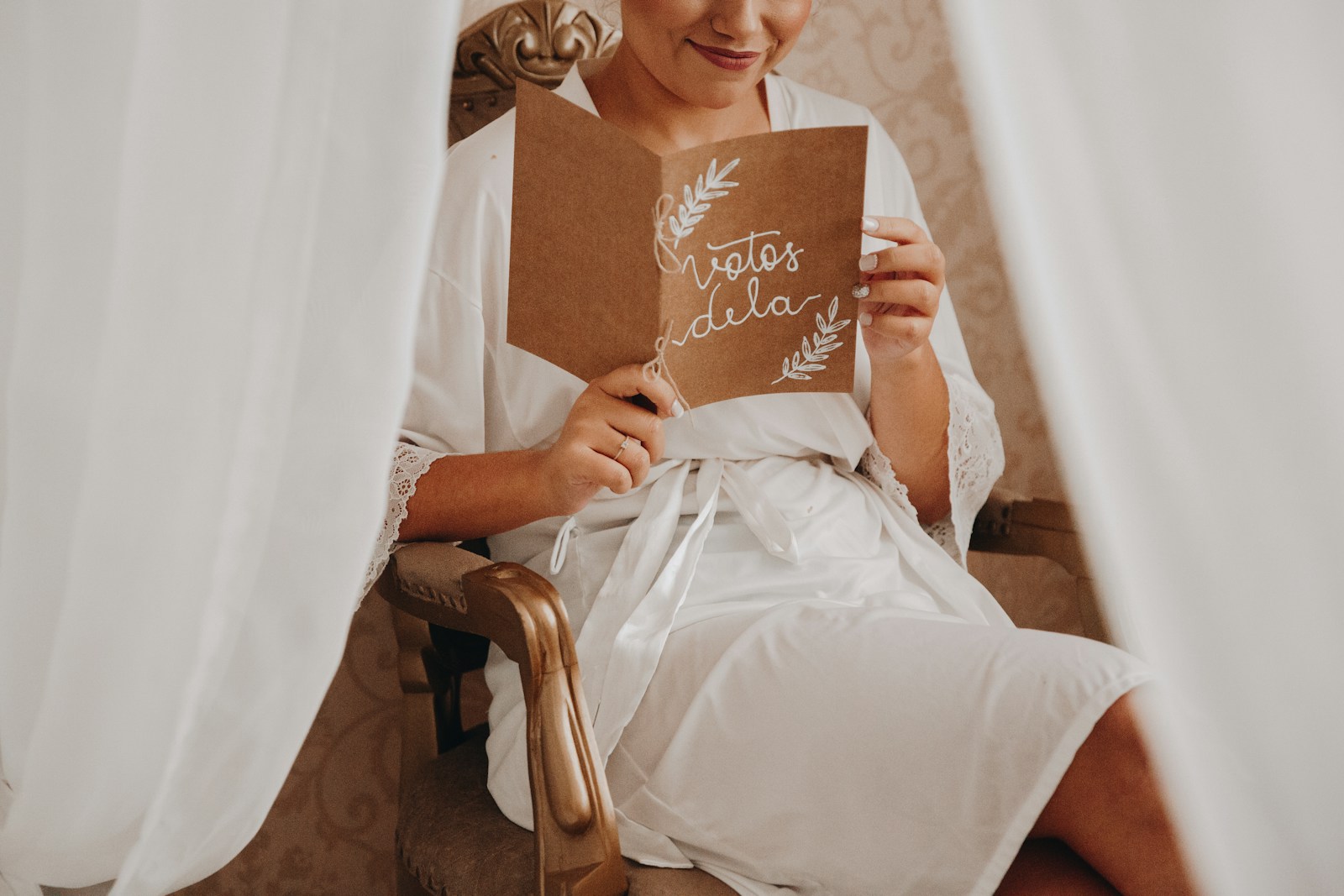
The situation unfolded when a relative shared their frustration on Reddit regarding the save-the-date card. The card specified “Black Tie – All guests are required to wear black attire,” which struck a nerve with several invitees. “Why would I be told what color to wear to a wedding? I am not a member of the wedding party,” the relative expressed.
The young bride’s reasoning for the stark color choice was simple. She believes wearing black will allow her to be the focal point during the ceremony. When asked about the decision, she stated that she wanted to stand out. However, this declaration left guests questioning the appropriateness of such a demand.
<p”Honestly, I’m going to feel like I am heading to a funeral in April,” the relative added, highlighting the stark emotional implications of wearing all black to what should be a festive occasion.
While black is often associated with elegance and formality—particularly in black-tie events—many guests find the idea unsettling. Weddings typically celebrate love, joy, and new beginnings; a funeral-like dress code seems to contradict that spirit.
Online reactions to the dress code have been anything but supportive. One person pointed out the absurdity of the situation, saying, “This is not a Broadway show, it’s a wedding!” Another reader chimed in, emphasizing that weddings should be about celebrating the couple, not forcing guests into a monochromatic theme that feels more somber than celebratory.
The situation raises questions about the expectations placed on wedding guests. Traditionally, guests select their attire based on their own tastes and styles, within a framework established by the couple. This new trend of prescriptive dress codes may create additional pressure on guests, particularly if they disagree with the couple’s vision.
Furthermore, the wedding industry has long encouraged couples to express their unique personalities through their ceremonies. However, this specific instance highlights a potential overreach when it comes to dictating how everyone else should participate in a shared celebration.
As discussions about this dress code continue, many are left wondering how this trend will evolve. The practice of imposing specific clothing choices reflects a broader conversation about the expectations and norms surrounding weddings in contemporary society.
While some guests might be willing to comply with the bride’s wishes, others remain hesitant. The relative who shared the story expressed uncertainty about how to navigate the situation. “Should I find something suitable to wear or just skip it altogether?” they mused.
The sentiment that some guests feel pressured to conform to a rigid dress code illustrates a potential shift in wedding culture. Individual style might be sacrificed for the sake of a unified appearance, while the heart of the event—celebration and joy—could potentially be overshadowed.
This situation has captured the attention of many who are keen on discussing the implications of such dress codes. As wedding season approaches, people are curious to see if more couples will adopt similar mandates in the name of fashion or if this will remain an isolated incident.
In an age of social media, where many moments are shared online, how a couple presents their wedding can easily lead to both admiration and critique. The quest for a distinctive wedding experience can sometimes result in choices that surprise or even alienate guests.
For now, guests continue to grapple with how to respond to the bride’s request. Should they comply with the black attire or express their discomfort? The choices ahead are not just about fabric but also about the relationships that underpin these significant life events.
More from Vinyl and Velvet:

Leave a Reply