


An oilfield worker’s vehicle ride became an unexpected blend of revenge and comedy when a young employee turned the tables on his workplace bully during a routine commute. The story resurfaced online, bringing humor and disbelief to readers everywhere.
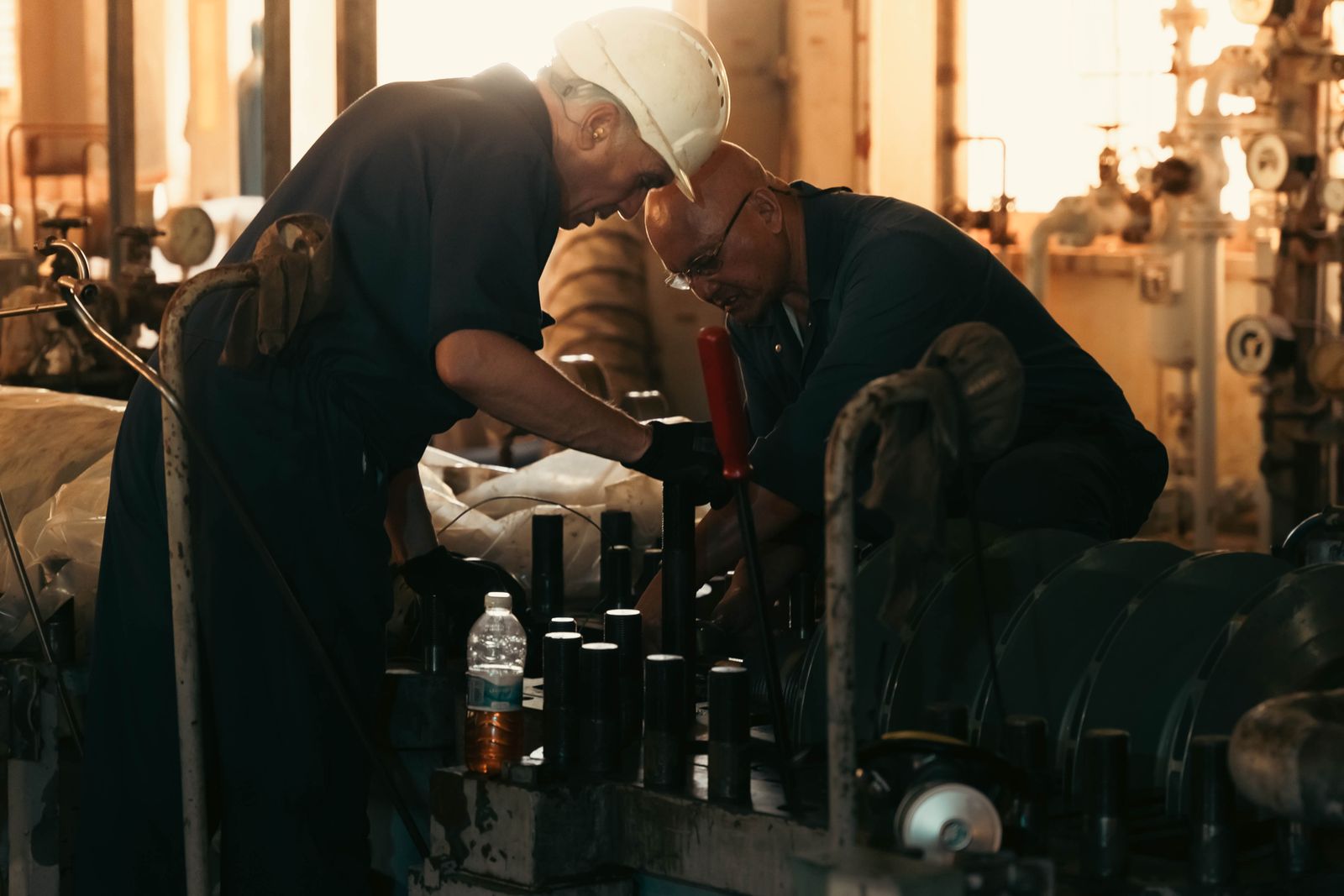
The protagonist, an 18-year-old, found himself in a challenging situation after landing his first job in the Canadian oil patch in the early 2000s. He was paired with a supervisor named Gary, an overweight, alcoholic man in his fifties who spent most of his time napping or watching DVDs while the young worker did the heavy lifting. Gary often made derogatory jokes that cut deep, making the first job experience a nightmare for the newcomer.
Each day was filled with verbal abuse, insults, and the pressure of a commanding presence that left the young man feeling small and demeaned. With Gary’s frequent drinking and unemployment threats, the young worker knew he needed the job but also sought a way to escape the torment.
After three months of the relentless bullying, he reached his breaking point. One night during dinner, a casual suggestion that Gary should pay him for driving their work truck was met with explosive anger. The hostile reaction only fueled the young man’s resolve for revenge. He began plotting how to break free from his tormentor.
The plan took shape during one of the daily commutes when Gary fell into his usual travel coma, leaving the young worker in control of the vehicle. As he drove, he spotted a semi-truck parked along the highway, with the driver standing outside. An idea struck him. He approached the truck driver and proposed a plan: a distraction that would send a wake-up call to his slumbering supervisor.
With the trucker’s enthusiastic agreement, they set the scene. The protagonist parked the truck next to the semi and activated the trucker’s airhorn, causing a thunderous blast that shattered the early morning quiet. Simultaneously, he honked their truck’s horn and yelled, “We’re gonna die!” The cacophony erupted like an alarm bell, jolting Gary awake in sheer panic.
The response was immediate and dramatic. Gary shot up in his seat, causing a dent in the ceiling, flailing in shock as his mind caught up with the chaotic sounds. In a state of panic, he howled threats and insults while the young man reveled in the moment, laughing uncontrollably at the hilarious turn of events. The psychological impact of seeing his bully’s fear made the entire experience feel justified.
As the truck continued down the road, Gary’s face turned a shade of red, and he declared that his high blood pressure could lead to a stroke. The young worker, still laughing, replied, “Can’t you take a joke?” The comedic absurdity of the situation lingered between them during the drive, creating a tension between fury and humor.
Upon reaching the worksite, Gary was furious. He stormed off, declaring the young worker fired and threatening to involve company higher-ups and even the police. However, when the company owner arrived to discuss the situation, the young worker received a warm welcome. The owner empathized with his plight, laughing about the situation while promising to move him to a different crew, eliminating Gary from his life.
The aftermath led to a mix of reactions from the oil patch community, with many admiring the young worker’s ingenuity. Some viewed the incident as a validation of standing up to bullying, while others debated the appropriateness of such behavior. One person told him, “You really showed him! Sometimes, bullies need a taste of their own medicine.” Another reader said, “What you did was risky, but sometimes the fear of getting caught is worth the moment of joy.”
Ultimately, the story serves as a reflection of workplace dynamics and how humor can sometimes be a powerful tool against intimidation. The young worker gained respect from his peers, and the experience left him with a story to tell for years to come.
As for whether he wishes he had handled things differently or would do it again, that remains unanswered. The thrill of the prank and the unexpected vindication lingered in his mind long after the incident. Would he report the incident, or let it rest as a fond memory of overcoming adversity? Only time would tell.
More from Vinyl and Velvet:

Leave a Reply