


A Reddit user recently shared a frustrating experience involving a damaged Bluetooth speaker and their roommate’s nonchalant response. What started as a casual borrowing arrangement escalated into a disagreement over accountability and respect for personal property.
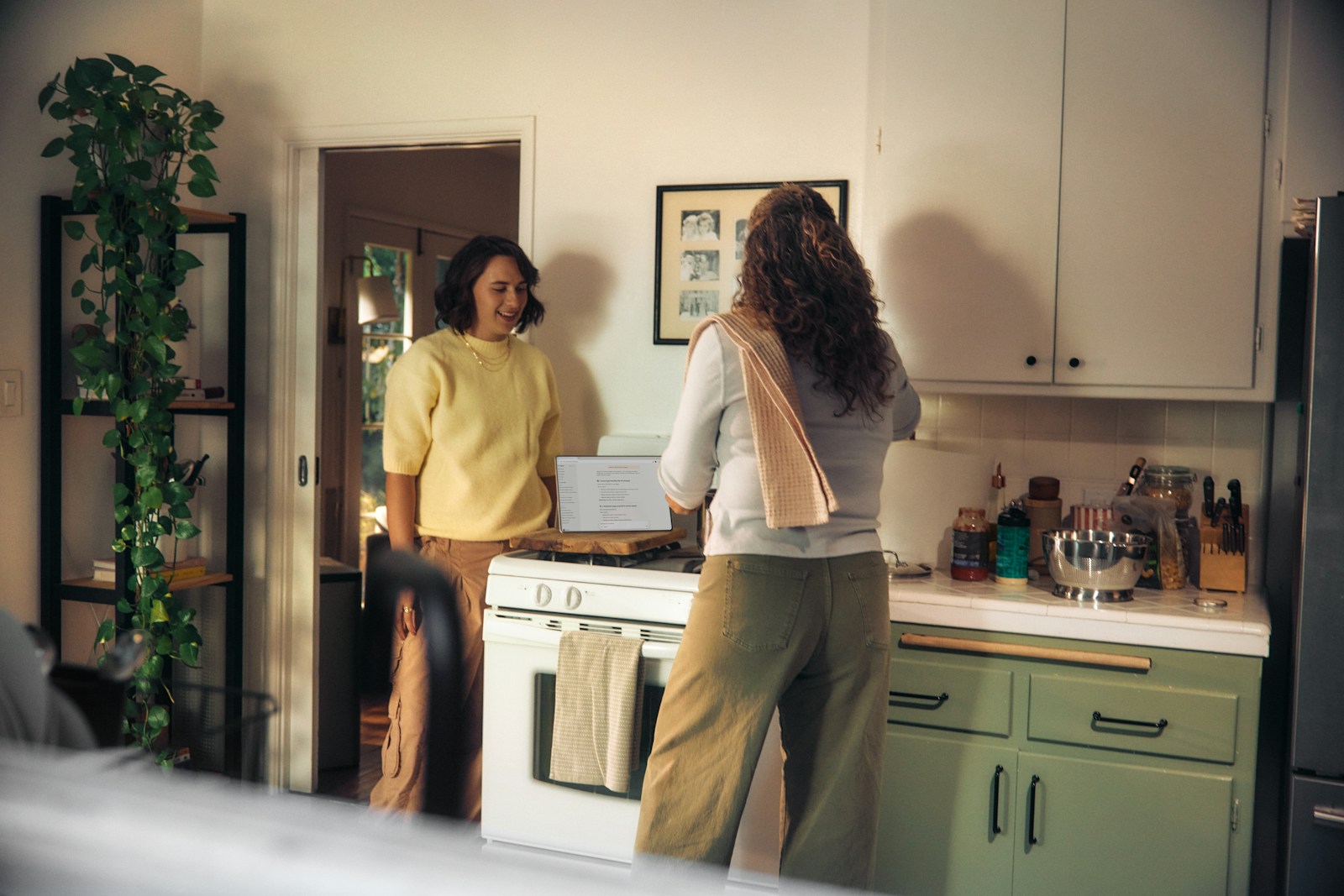
The user, who lives with a roommate, described their usual practice of lending out items like chargers and kitchen appliances. It was a laid-back system built on mutual trust and a simple rule: ask before borrowing. Things took a turn when the roommate borrowed the user’s portable Bluetooth speaker for a weekend trip.
Upon returning the speaker, the user noticed a visible crack in its casing. While it still functioned, one side rattled at higher volumes, making the device less enjoyable to use. The roommate apologized, claiming the speaker must have been knocked over, yet he offered no compensation or repair. Instead, he shrugged off the damage with the remark, “At least it still works.”
The user admitted to feeling uncomfortable about the situation but chose not to press the issue further, hoping to maintain a peaceful living environment. However, this reluctance to confront the issue led to a significant change in their borrowing policy. Following the speaker incident, whenever the roommate requested to borrow something, the user politely declined.
The tension came to a head when the roommate asked to borrow the user’s cordless drill for a home project. This time, the user felt compelled to explain their rationale for wanting to keep their belongings to themselves. They said the incident with the speaker made them wary of lending out their things again, especially since the roommate did not attempt to make things right after returning the damaged item.
The roommate responded defensively, accusing the user of exaggerating a simple accident. He pointed out past instances where he had lent out his belongings without issues, suggesting that the user was being unreasonable. This argument left the user feeling guilty, as they had previously enjoyed a good relationship with their roommate.
Despite this guilt, the user remained firm in their decision. They believed it was reasonable to rethink lending practices after experiencing a lack of accountability. The crux of the issue seemed to be that the roommate failed to recognize the impact of his actions. The user felt that borrowing trust was, in a sense, a two-way street and that respect for each other’s belongings should be fundamental.
In sharing the story online, the user posed the question of whether they were overreacting. This kind of incident is not unique. Many readers have experienced similar dilemmas regarding personal items and the importance of taking care of one another’s belongings. One person told him, “If he doesn’t care enough to replace something he broke, he shouldn’t expect to borrow anything else.”
This kind of feedback underscored a broader sentiment among readers about the significance of responsibility in shared living situations. Another reader explained that lending items can often lead to disputes if there is no clear agreement or understanding about how to treat borrowed goods. They highlighted the necessity of communication and setting boundaries early on.
The user’s experience raises questions about trust and friendship in shared spaces. It seems that the relationship dynamic shifted the moment the speaker was returned damaged without any offer to make amends. Now, the user is left grappling with whether to repair the relationship over shared items or maintain a distance to protect their interests. The roommate’s casual approach to the matter contrasted sharply with the user’s growing concern about personal belongings.
As the situation unfolds, the user continues to weigh the implications of their borrowing policy change. It raises thoughts about accountability and the expectations that come with sharing living spaces. Should roommates treat each other’s belongings with the same care they would their own, or is it all just part of living together?
l
More from Vinyl and Velvet:

Leave a Reply