


A young woman has turned to an online forum to share her struggles with her mother, a self-identified narcissist, and the impact it has on her own mental health. Despite living at a distance, she is caught in a cycle of low-contact that reopens old wounds with each conversation.
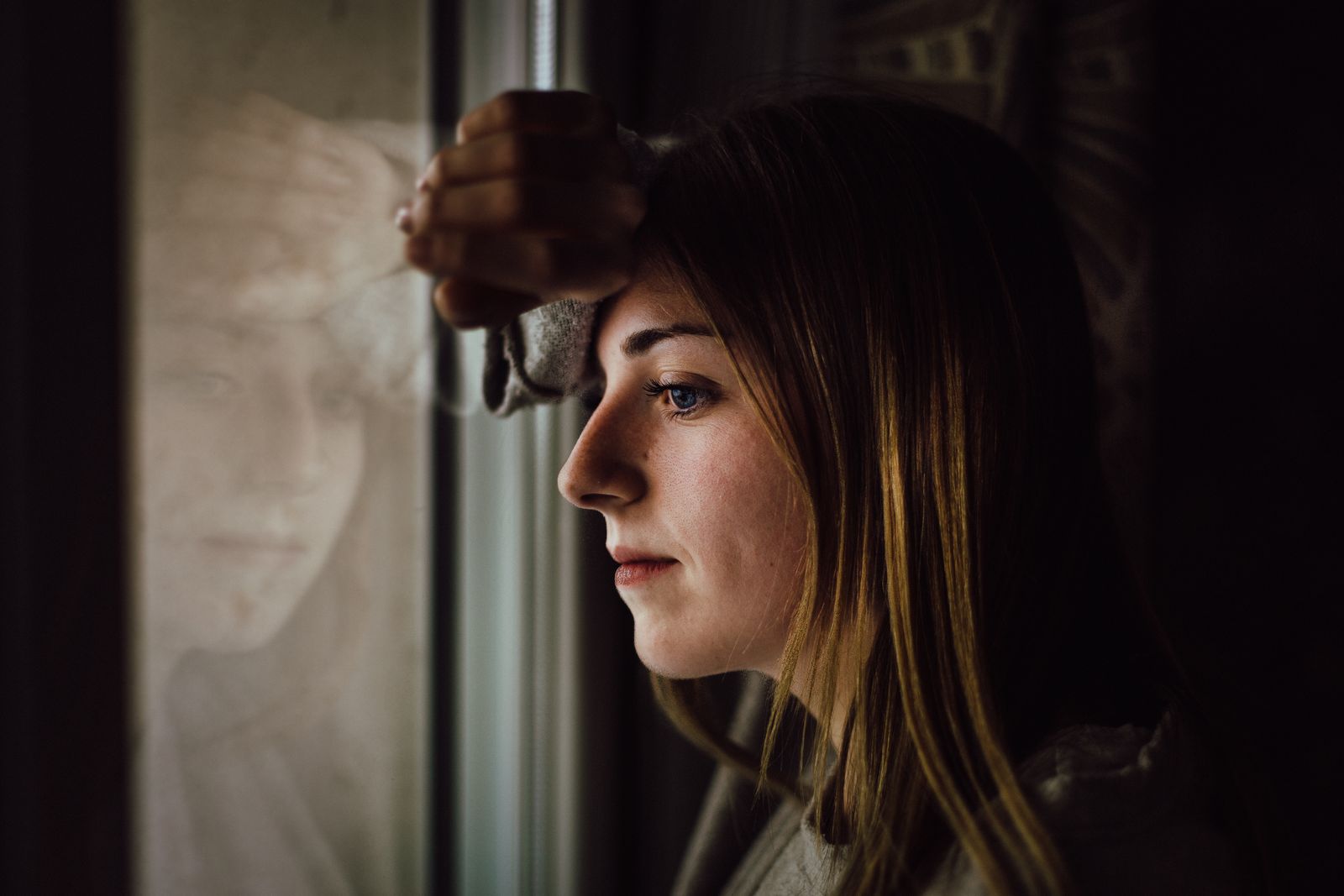
The woman, who is in her late thirties, describes a complicated relationship with her mother that revolves around emotional bullying and persistent victimhood. She mentions that her mother often reacts negatively to her life choices and opinions, leading to disputes filled with harsh words. “I’ve been called every terrible thing in the book,” she wrote, underscoring the depth of her pain.
This turmoil is compounded by her struggles with chronic illness, which she cannot discuss with her mother. Instead of receiving support, she feels blamed for her condition, adding another layer of emotional strain. “It’s like she gets mad at me for being sick,” she explains, illustrating the toxic nature of their interactions.
The woman acknowledges that her mother loves her in a “messed up way,” a sentiment that reflects deep-seated frustration. Their complicated history is further complicated by the presence of a sibling who seems to be favored by their mother. Despite her mother’s love, she recognizes it comes with significant emotional baggage, leading to resentment and anger.
As she contemplates the possibility of going fully no-contact, the woman weighs the pros and cons. “I know no contact would probably be good,” she admits, but feels that cutting ties entirely would be difficult due to other family connections she values. The situation often leaves her in silence for months, during which she finds a semblance of peace from her mother’s turmoil.
Her desire to heal is evident as she speaks about her anger, which she wishes to release without fully severing ties. “I just want to be able to heal without being so angry that she’s so mentally unwell,” she reflects. There is an understanding that her mother’s behavior stems from her own troubled past, yet this realization doesn’t make the impact of their relationship any less painful.
In seeking advice, she wonders if others have been through similar challenges and how they found paths to healing. Readers of the forum responded with a mix of empathy and shared experiences. One person suggested establishing firm boundaries, while another encouraged self-compassion as a means to navigate the emotional fallout. Each response aimed at helping her find peace amid the chaos.
The ongoing struggle reveals a deeper issue for many adults raised by narcissistic parents. The challenge of balancing the desire for a relationship with a toxic figure and the need for personal well-being is a common thread. Many individuals find themselves torn between maintaining connections for the sake of other family members and prioritizing their mental health. “It’s like walking a tightrope,” another reader remarked, encapsulating the precarious nature of these relationships.
As the dialogue continues, the woman reflects on her options. She knows that fully cutting her mother out of her life may be necessary for her emotional health, yet she is not ready to take that step. The dynamics of familial relationships can be complex, especially when love is intertwined with dysfunction.
Her story is one of many navigating the turbulent waters of familial bonds in the face of psychological trauma. The choice to remain in semi-constant communication lingers heavily for her, as does the hope that one day things might improve between her and her mother. Yet, for now, she remains in a period of uncertainty, trying to find a path toward healing without fully relinquishing her connection.
More from Vinyl and Velvet:

Leave a Reply