

A recent transatlantic flight from Copenhagen to Montreal turned into a clash between passengers over seat recline etiquette, discomfort, and a lack of common courtesy. The incident unfolded over a lengthy seven-and-a-half-hour journey, taking place in an economy cabin where space is at a premium.
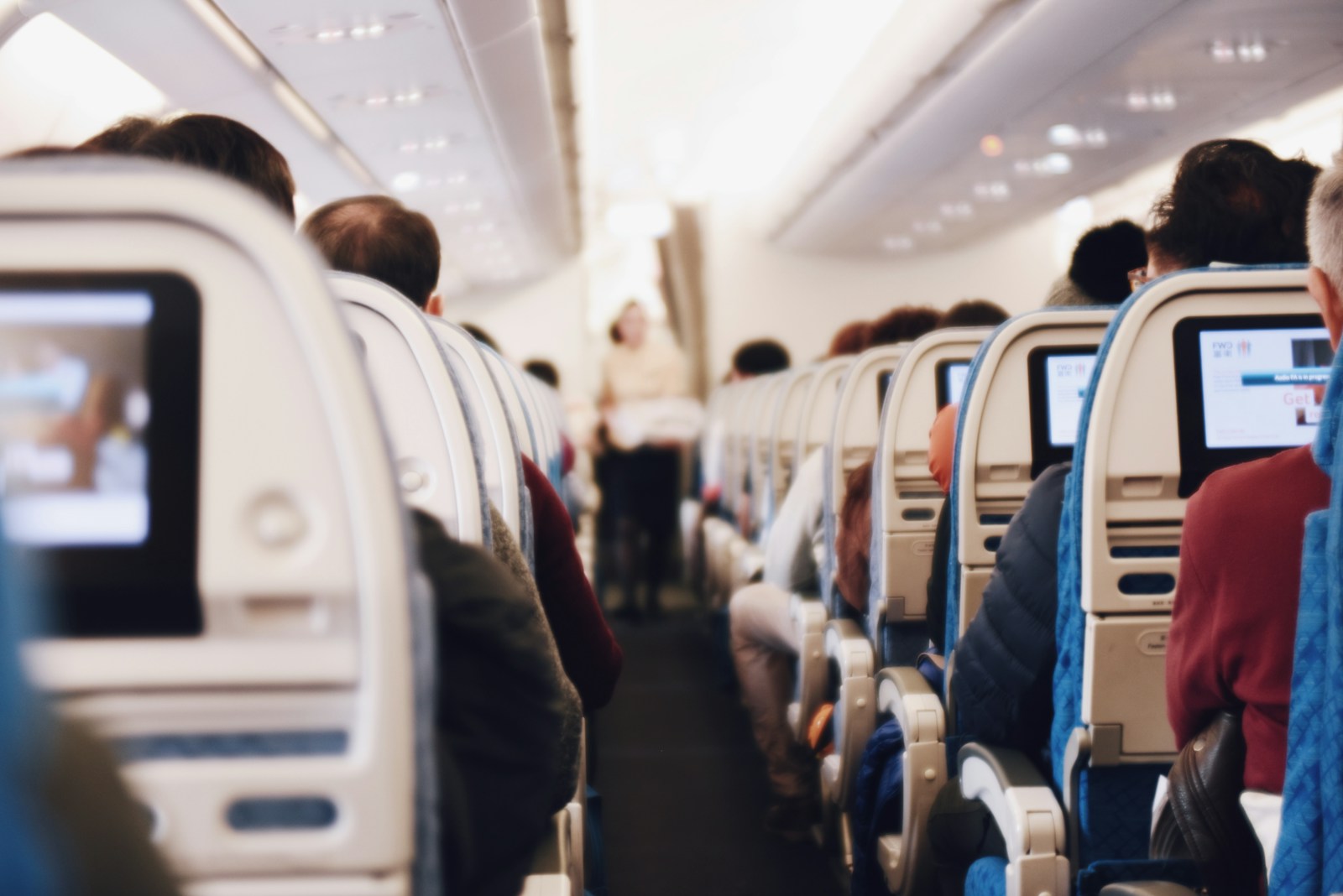
The trouble began when one passenger, seated in an aisle seat of a middle four-seat section, reclined his seat shortly after takeoff. He had just ended a long trip and wanted to relax, so he leaned back into the comfort the airline provided. However, things took a turn when a teenager sitting behind him tapped him on the shoulder, requesting that he move his seat up.
Respecting the request, the passenger complied initially, raising his seat slightly so that the teen could have more room. But as the flight progressed and meal service began, he returned to his reclined position, only to be met with further resistance from the teen’s mother, who criticized him for reclining, citing her son’s tall stature as justification for needing more space.
The tension escalated when the teenager started to push the seat with his full weight, effectively forcing the passenger to brace himself against the seat in front of him. This physical conflict lasted for the next five hours, leaving the passenger uncomfortable and increasingly fatigued from the effort to maintain his seating position.
To compound the situation, the seat in front of the passenger was also reclined, creating a cramped environment for everyone involved. The passenger ultimately had to give in, limiting his recline and stretching his legs into the aisle when he could. He felt so cornered by the family’s actions that he often had to readjust just to find a moment of comfort.
As the flight neared its end, the passenger once again tried to recline his seat for a light snack, only to keep it upright for the final hour of the flight. Upon landing, the family wasted no time getting up and unloading their belongings, even cutting in front of other passengers to disembark, creating further annoyance.
But the saga didn’t end there. Once on the jet bridge, the family stood in the middle, blocking traffic as they appeared to take their time unloading their luggage. Such behavior led to a bottleneck situation, frustrating fellow passengers eager to exit the plane.
Upon reaching the terminal, the family opted for a bathroom stop, where they monopolized the two available sinks. The mother was seen chatting with her daughter while blocking one sink, while the sister occupied the other, fixing her hair. This blatant disregard for other passengers only added to the growing negative perception of their behavior.
This incident highlights the ongoing debate around passenger etiquette, especially in cramped airline settings. With limited space, the question of how far one can recline without causing distress to others remains controversial.
One person mentioned that seating arrangements in economy class often lead to uncomfortable scenarios. They noted, “It’s a shared space, and everyone has to find a way to coexist. It shouldn’t be a battleground over seat positioning.”
Another reader chimed in, expressing empathy for the passenger stuck in the middle of family tensions: “You have every right to recline your seat, but the physical aggression from that kid is uncalled for. It’s tough enough to fly as it is.”
As for the passenger, he left his experience feeling exhausted and irritated by the family’s behavior. He managed to maintain his composure throughout the ordeal but was left wondering whether he should report the family for their disruptive conduct during the flight and at the terminal.
More from Vinyl and Velvet:

Leave a Reply