

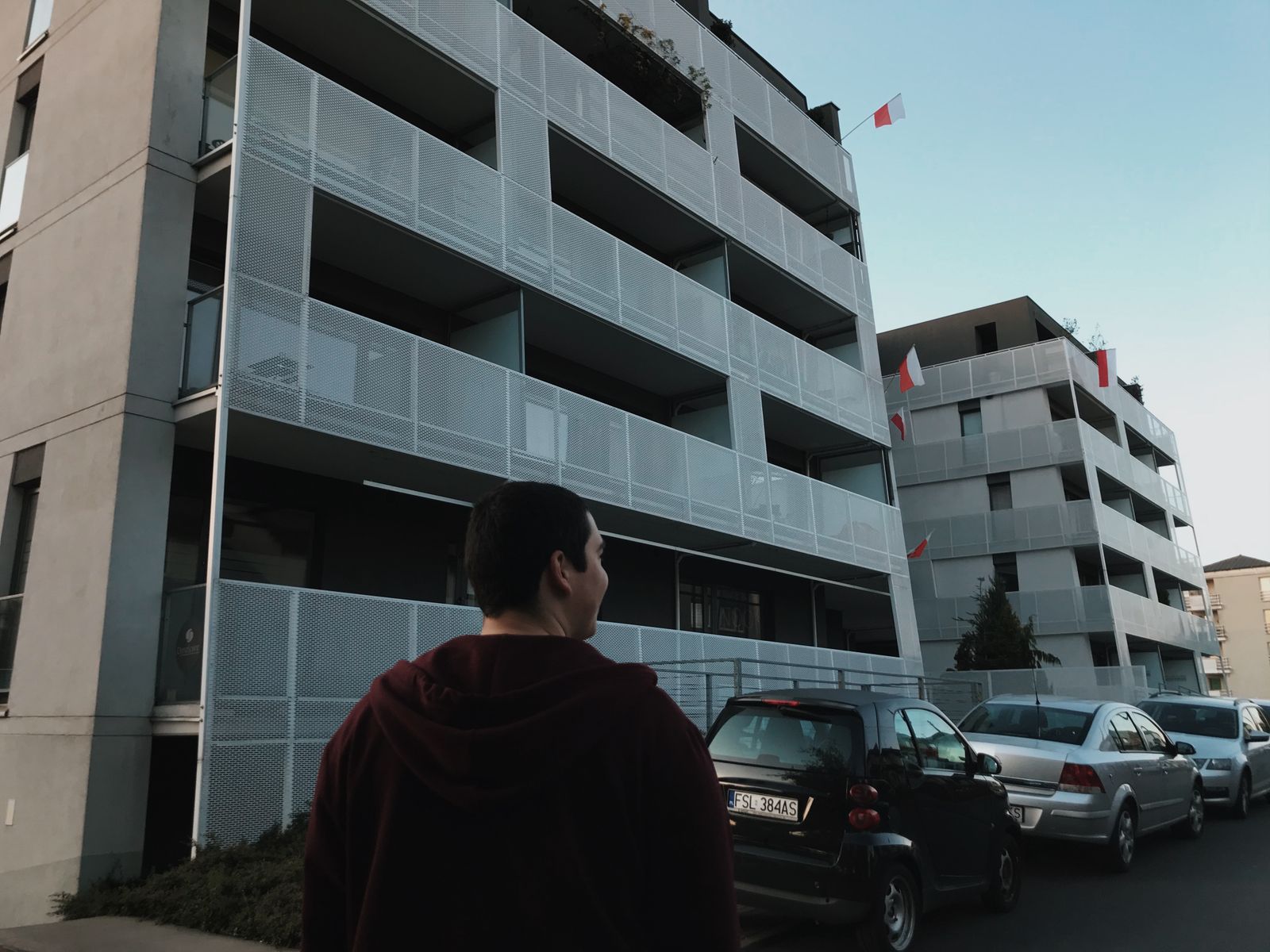
A resident in a local apartment complex found herself increasingly frustrated by a neighbor who has taken it upon herself to use a reserved parking spot that the first tenant pays for. For two weeks, this neighbor has parked her car in the designated space, claiming that she needed it for convenience when unloading groceries.
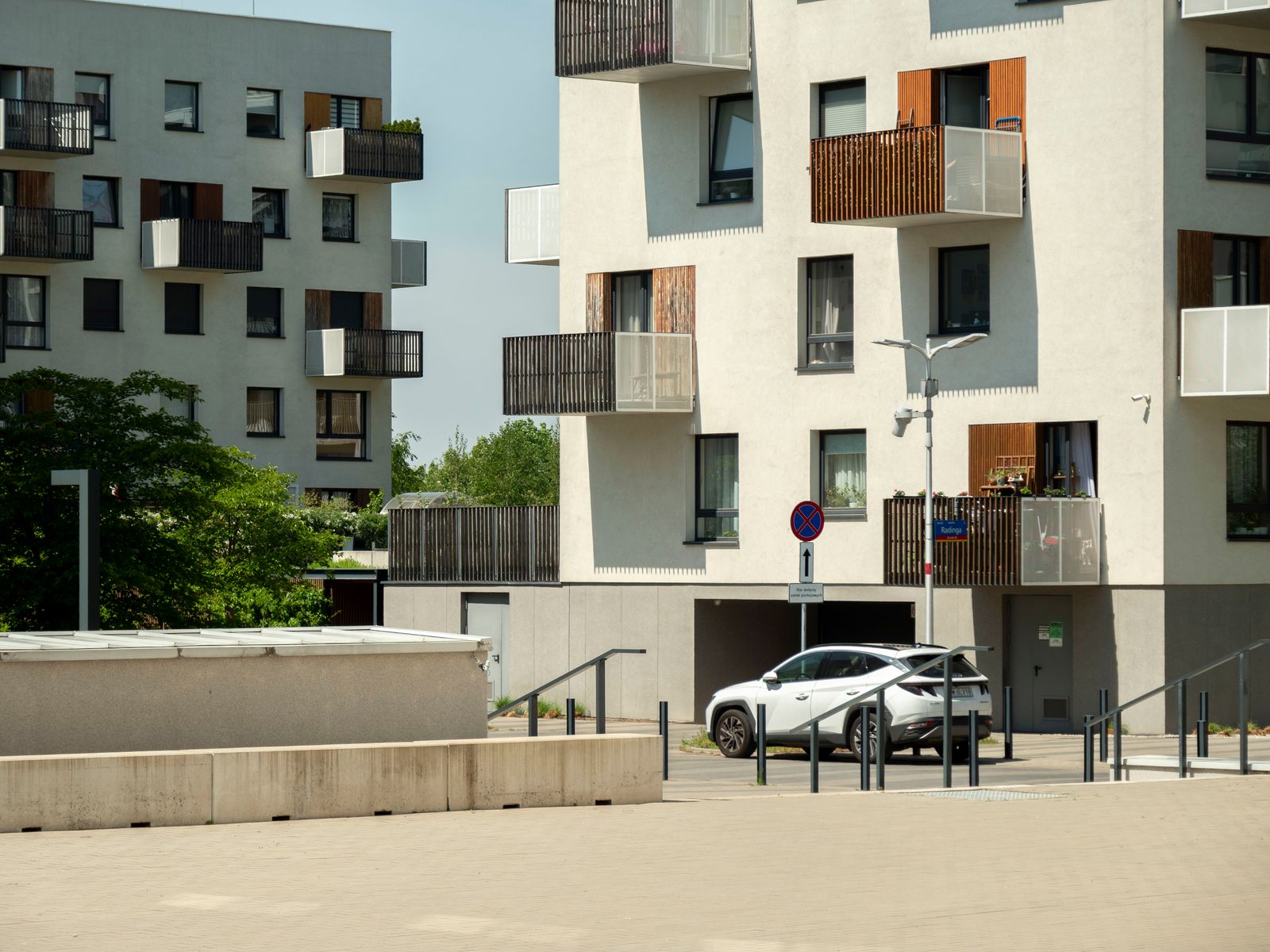
The reserved parking spot is a standard feature in the apartment community, where residents typically pay extra for the assurance that they will have a designated space. This ensures that tenants do not have to search for parking, especially during busy hours or adverse weather. In this instance, the owner only asked for her rightful space to be respected.
For the past year, she had been content using her reserved parking without incident. It was only after noticing her neighbor’s car parked regularly in her spot that she decided to take action. The growing annoyance was compounded by the neighbor’s blatant lack of respect for her rights.
With the audacity of the neighbor still ringing in her ears, the resident is torn about what steps to take next. Should she escalate the situation by involving property management? On the other hand, she is concerned that a note may simply be ignored, leading to more frustration.
The dilemma also raises broader questions about entitlement among some residents. Many people encounter similar issues in shared living spaces, where respect for boundaries is essential for community harmony. Yet, the instinct to take what is not theirs seems to surface in some individuals, leaving others to deal with the fallout.
While contemplating her options, the resident turned to online forums for advice. One person told her that documenting the instances of parking violations could help her case if she decided to approach management. Another reader suggested simply leaving a note on the neighbor’s car, demanding she cease using the reserved spot.
Hints of escalating frustration echoed throughout the comments. Another reader empathized with the situation, recalling a similar experience where a neighbor routinely violated parking rules without consequence. The advice flowed in, with suggestions to install a tire lock or consider a stronger approach if the behavior persisted.
Despite the myriad of suggestions, the original poster remains uncertain. It is a challenge not just of property rights, but respect in a shared community space. The thought that someone feels entitled to use something they do not own because they believe it is convenient for them presents a complex social dynamic that many have faced.
As the resident stands at the crossroads of how to handle the situation, she is left weighing her options: to confront the neighbor again, seek assistance from property management, or adopt a more assertive approach. With no clear right answer, her choice looms ahead.
More from Vinyl and Velvet:

Leave a Reply