

A woman in her late twenties recounts the overwhelming exhaustion she feels after spending time with her cousin’s two children. Whenever her cousin visits, chaos seems to follow, leaving her drained and questioning her future desires regarding motherhood.
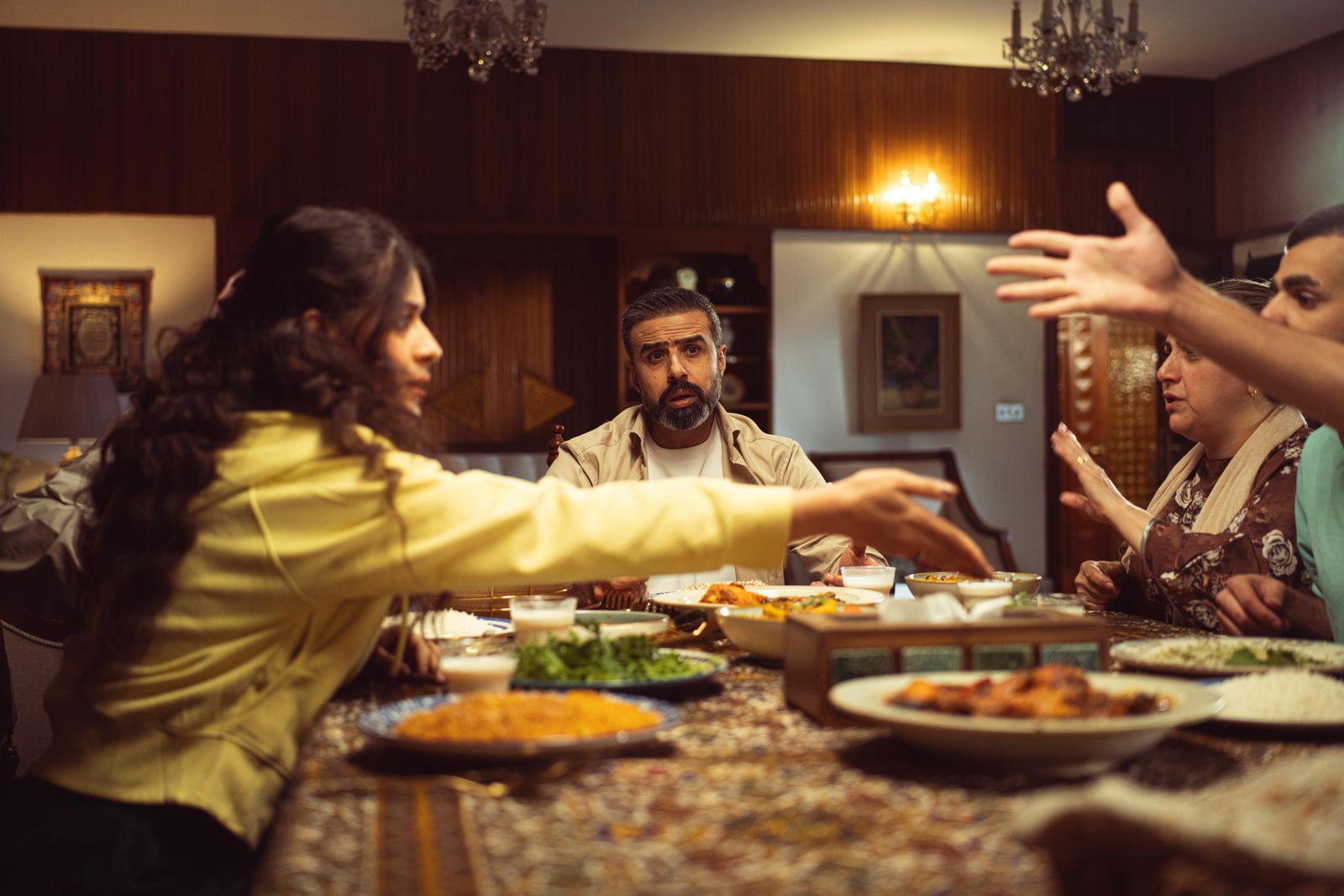
The family gatherings often feature her cousin’s seven-year-old son and three-year-old daughter, who both exhibit behaviors that can be difficult to manage. The older child is fixated on social media, particularly Instagram Reels, which he plays at full volume, seemingly ignoring requests to lower the sound. The young boy often disrespects his mother and others, responding with rude remarks that leave his cousin feeling unsettled.
Meanwhile, the younger child has meltdowns that are hard to navigate. When she doesn’t get her way, the little girl cries and screams until someone gives in. The cousin acknowledges that while she loves her relatives, the chaos can be overwhelming, especially with both kids vying for her attention. She describes feeling almost trapped, as the youngest follows her around even when she seeks a moment of peace in her own room.
These visits have led her to reconsider whether she wants children of her own. Even at 28 years old, the thought of having a child evokes a sense of dread rather than excitement. She contemplates the idea of a life filled with constant demands and responsibilities, a thought that weighs heavily on her mind.
She struggles with the societal expectations that often accompany dating. Many of her peers talk eagerly about having large families and envisioning a future filled with children. For her, those dreams seem far from appealing. The idea of being responsible for someone else, day in and day out, feels daunting. She worries about her ability to be a good mother, and the desire simply isn’t there. At the same time, she fears regret, wondering if she might change her mind someday when it’s too late.
This internal conflict has begun to strain her romantic relationships. As potential partners discuss their hopes for a family, she feels compelled to pull away. The disconnect between her feelings and those of her partners has left her unsure of how to navigate these conversations.
One reader sympathized with her situation, stating that it’s common for people to feel pressure when considering children. “Not everyone is cut out to be a parent, and that’s perfectly okay,” they wrote. Another person echoed her feelings, suggesting that it’s important to be honest with oneself about what one really wants, rather than conforming to societal pressures.
The cousin realizes that many people find joy in parenting, yet she feels differently. The noise, the constant need for attention, and the unpredictability of children have made her rethink her future. The thought of becoming a parent seems less like a dream and more like a burden. While she understands that some people thrive in those chaotic moments, she can’t help but feel that they drain her of energy and joy.
As she reflects on her time spent with her cousin and the kids, the realization settles in that she may not want children at all. Yet, the fear of missing out on a potential future filled with joy and love lingers in the back of her mind. How does one reconcile the instinct to nurture with the reality of what it takes to raise children? Is it possible to embrace a future without kids while still feeling fulfilled?
This tug-of-war in her heart leaves her feeling conflicted. She has friends and family who adore their children and thrive on the chaos of parenthood. Watching them share moments of joy makes her wonder what it would be like to experience that for herself. The possibility of future regret casts a shadow over her current feelings, creating a cycle of doubt and confusion.
As her cousin’s visits continue, the woman finds herself in deeper contemplation about what she truly wants. Should she embrace the uncertainty of a child-free life or conform to societal expectations of motherhood? Each experience brings her closer to an answer, but for now, the question remains unresolved.
More from Vinyl and Velvet:

Leave a Reply