

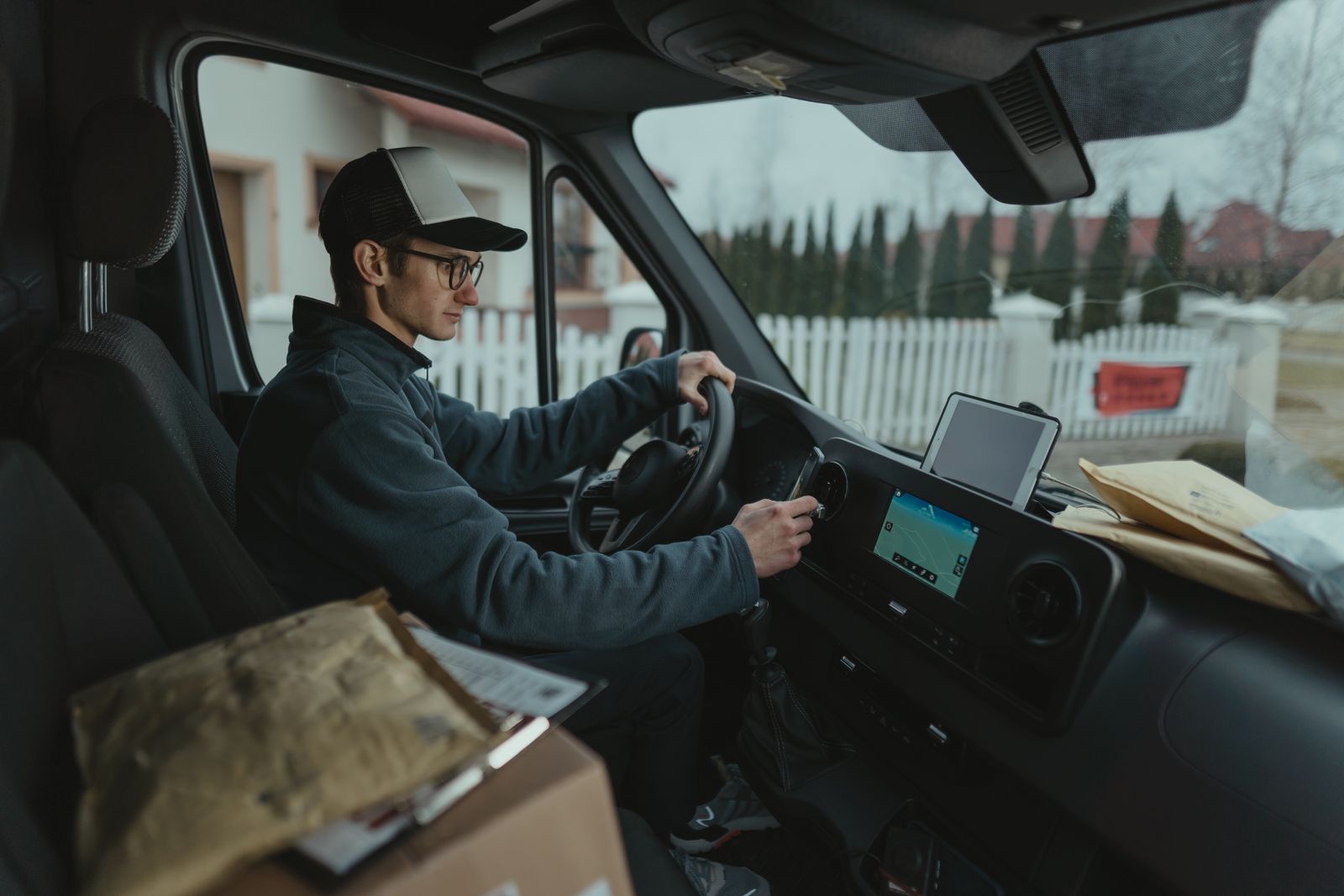
A delivery driver for a construction company caused significant disruption in a busy city street last week, blocking the only driving lane during peak rush hour for a duration of nearly 25 minutes. The situation escalated when a frustrated passenger on a city bus, stuck in the ensuing traffic jam, devised a plan to teach the driver a lesson.
The incident began when the delivery driver parked his truck in a way that left no room for other vehicles to pass. Buses and cars became trapped behind the truck, unable to maneuver around it. Despite the growing frustration evident among those affected, including the bus driver and nearby residents, the delivery driver remained defiantly unyielding, insisting he was allowed to park there due to his delivery.
As traffic piled up, the bus passenger decided that simply reporting the delivery driver’s behavior would be ineffective. Instead, he concocted a scheme that he hoped would give the driver a taste of his own medicine. Using a kind and elderly voice, he called the construction company and claimed to have discovered a lump sum of cash the driver had supposedly dropped on the street during his delivery.
The company took the call seriously and eventually connected the driver with the passenger, who arranged a meeting under the pretense of returning the supposed cash. He sent the driver to a nearby recreation center, providing an address that allowed him to keep an eye on the unfolding events from a distance.
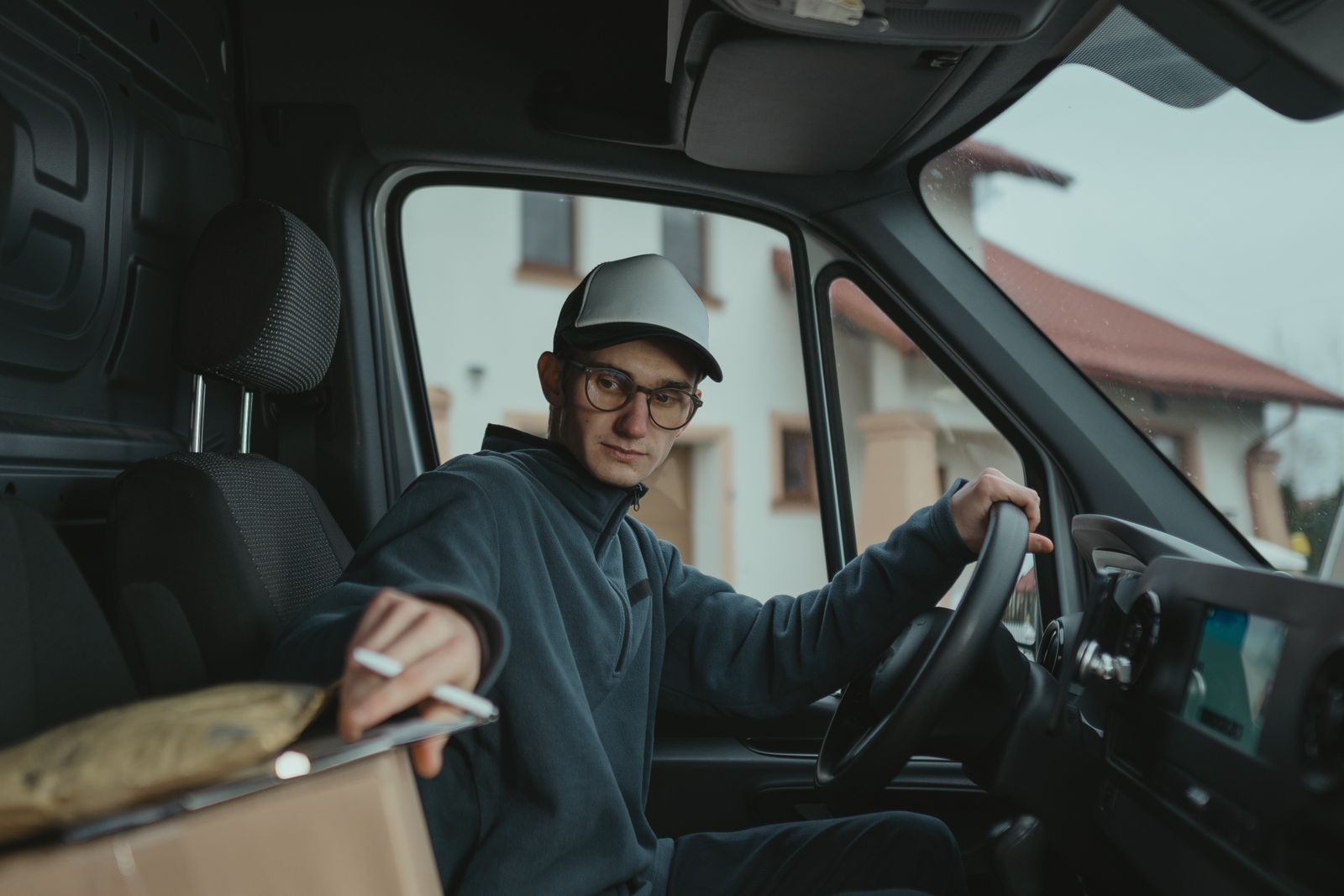
As the driver arrived at the meeting point and texted the passenger to confirm, he was told to wait while the passenger picked up a prescription inside the rec center. The driver, likely daydreaming about spending the $1,800 he never dropped, waited outside, smoking and stewing as time passed.
After 25 minutes of waiting, during which the driver sent several increasingly irritated messages, the passenger finally decided to reveal the truth. He texted the driver that he had seen him but was unable to approach due to using crutches. This was a ruse, allowing the passenger to monitor the driver’s frustrated antics from a distance.
As the delivery driver took more frustrated steps back and forth, the passenger set the stage for the grand reveal. He called the driver, this time using his real voice, and said, “Sorry man, I know waiting sucks. Remember that delivery you made on ___ Street on Monday? Well, I was on the bus that had to wait for you. Now you just waited for cash that was never real, and by the way, I can see you from my house right now.” The driver’s face reportedly turned bright red in embarrassment as the passenger relished the moment.
After the call ended, the delivery driver, clearly incensed, began bombarding the passenger with threats, all sent to a burner phone number the passenger had set up specifically for the prank. In the following days, the passenger continued to call from different numbers, reminding the driver not to block city streets and hoping he didn’t need that nonexistent cash.
This episode, while initially amusing, highlighted the tensions that can simmer beneath the surface in urban environments, especially during rush hours. The public’s reaction to such stunts often varies, as some find humor in the creative retaliation, while others see it as an escalation that could lead to further conflict.
One person told him that “sometimes people need a taste of their own medicine to understand the consequences of their actions.” Another reader commented that while the prank was funny, it also illustrates how easy it can be for minor inconveniences to spiral out of control in heavy traffic.
The passenger’s decision to confront the delivery driver with a fake cash pickup raises questions about accountability in public spaces and how far one might go to express frustration toward poor parking habits. While many found the prank to be a clever way to address the situation, others cautioned that it could have led to a more dangerous confrontation.
Despite the jokes and the amusement found in the passenger’s approach, it leaves an open-ended discussion about the boundaries of public annoyance and personal retribution. For now, the passenger remains undecided about whether to report the delivery driver, having already made his point in an unforgettable way.
More from Vinyl and Velvet:

Leave a Reply