


A mother of two has taken to Reddit to share her frustrations about her mother’s behavior towards her children, particularly her three-year-old daughter. The 32-year-old mom is worried after her mother labeled her child as “neurotic” and expressed dissatisfaction with being a “supervised grandparent.”
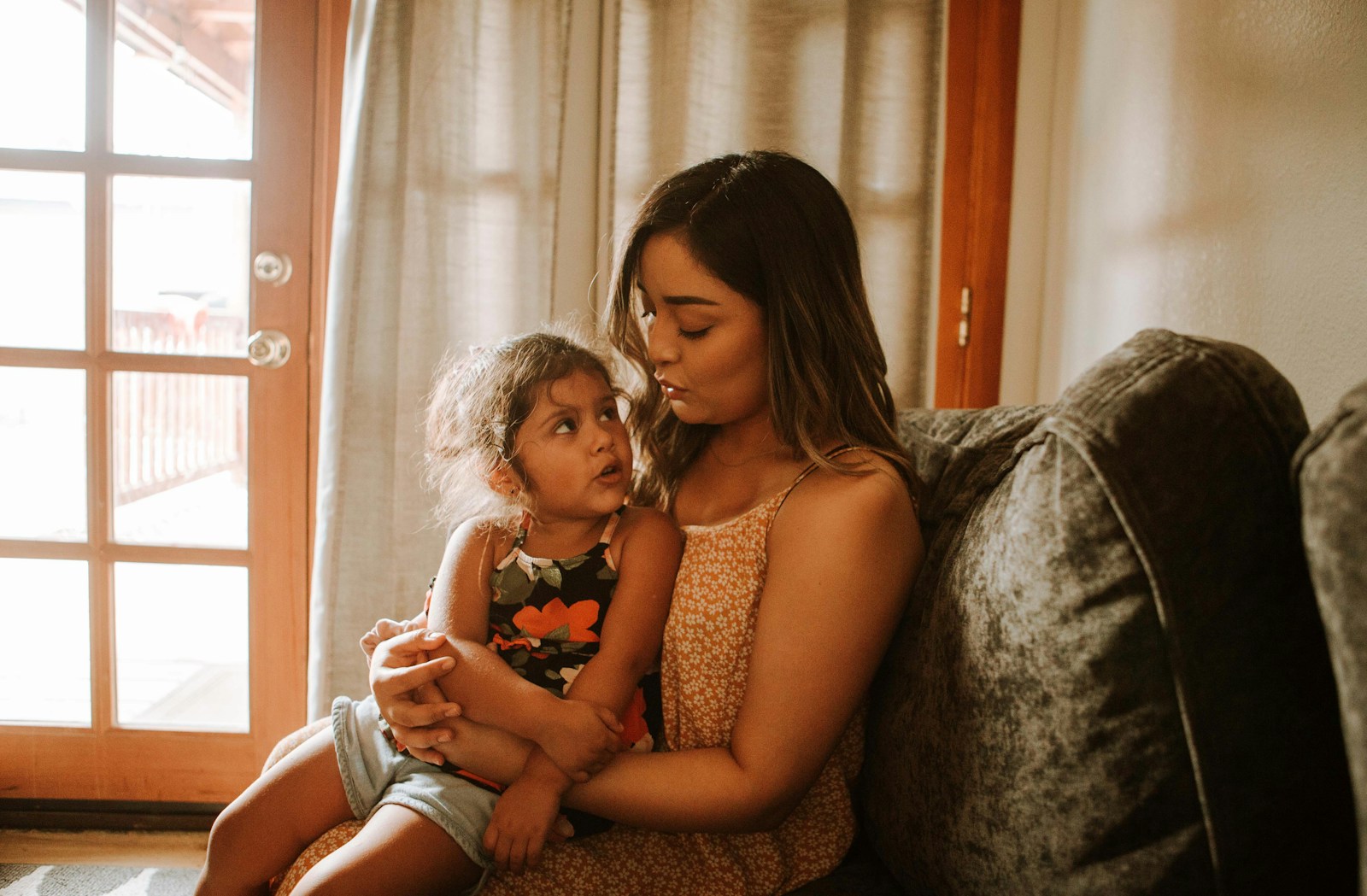
In her post, she detailed how her mother and stepfather interact with her children during their weekly visits. The couple sees the kids for about an hour each week, but instead of engaging with them, they spend most of the time on their phones, complaining about personal matters. When they do attempt to play, they often ignore the boundaries set by the children, leading to emotional outbursts from her daughter.
The mother explained that her three-year-old often becomes overwhelmed when her grandparents disregard her feelings—refusing hugs, tickling her when she says no, or trying to play in a controlled manner rather than allowing her to lead. This pattern of behavior results in meltdowns, which the mother finds frustrating. She believes the grandparents’ approach conflicts with her understanding of healthy child development, where children are encouraged to express themselves and choose how they wish to play.
She highlighted another point of concern regarding her nine-month-old baby, who often cries when her grandparents try to hold her. The grandparents appear out of touch with the current developmental stage of the baby, attempting to soothe her with techniques that worked when she was a newborn, unaware of the rapid changes infants undergo in their first year. This disconnect leaves the mother feeling uneasy about their ability to care for her children without supervision.
The mother’s frustration doesn’t just stem from the interactions during visits. She recalled a troubling period when her parents ghosted her for six weeks after an attempt to discuss childhood traumas. Although they later sought therapy, she expressed that the hurt from that experience still lingers. She feels unsupported during a vulnerable time in her life when she needed her mother’s guidance and help.
Another issue arose when her parents purchased a forward-facing booster seat for her daughter, which contradicts the safety measures the mother insists on, such as keeping children rear-facing until they are closer to four years old. Instead of having an open discussion about car safety, the parents assumed that buying the seat would allow them to take her daughter out, which has led to feelings of guilt for the mother. She was made to feel as if rejecting their gift was a personal slight against them, even though her priority is her child’s safety.
The mother pointed out how her parents believe there is something wrong with her daughter because of her emotional reactions, which she considers developmentally normal, especially in response to her grandparents’ behavior. She feels it would be more constructive for her parents to address their concerns directly with her rather than discussing their opinions behind her back. This lack of communication and constructive dialogue has left her feeling upset and frustrated.
One reader responded to her concerns, highlighting that communication is vital in any relationship, especially between grandparents and grandchildren. The reader emphasized that expressing feelings openly can help build a healthier relationship and understanding between family members.
Another reader pointed out the importance of establishing boundaries not just for the children but also for the grandparents. They suggested that the mom should feel empowered to enforce those boundaries during visits, ensuring her children feel safe and loved.
The mother is now left grappling with her feelings about her parents and their desire to be less supervised. She worries that their interactions with her children are not nurturing and that they are not equipped to respect her parenting decisions. At the same time, she is concerned that distancing her children from their grandparents could have emotional repercussions for all involved.
As she decides how to approach the ongoing challenges, she is weighing her options. Should she have a frank discussion with her parents about their behavior and her concerns, or maintain the status quo to avoid conflict? The path forward remains unclear as she contemplates the dynamics of family and the well-being of her children.
More from Vinyl and Velvet:

Leave a Reply