

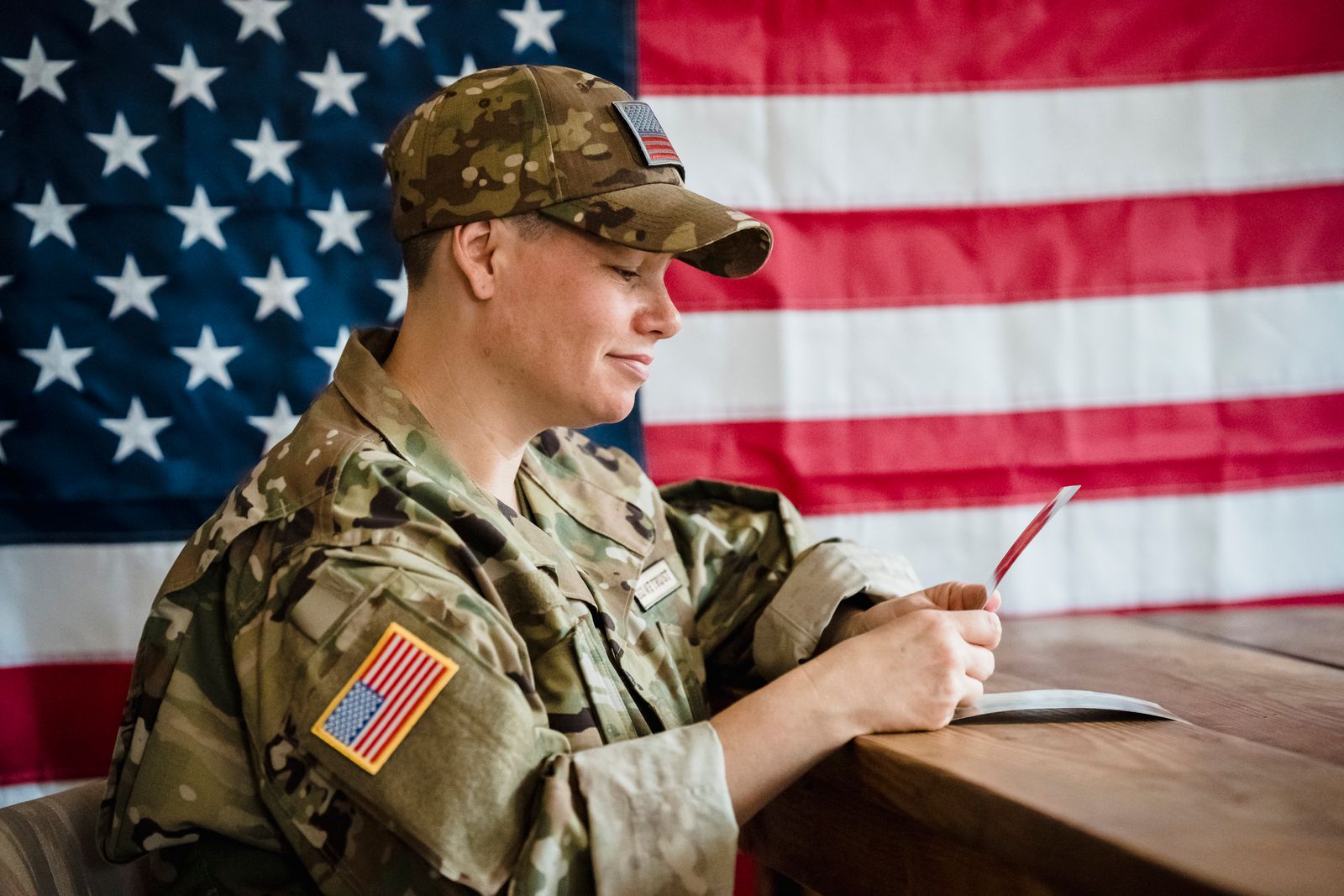
A Greek transgender woman has shared her painful experience of mandatory military service, claiming it has irrevocably altered her life and strained her relationship with her partner’s family.
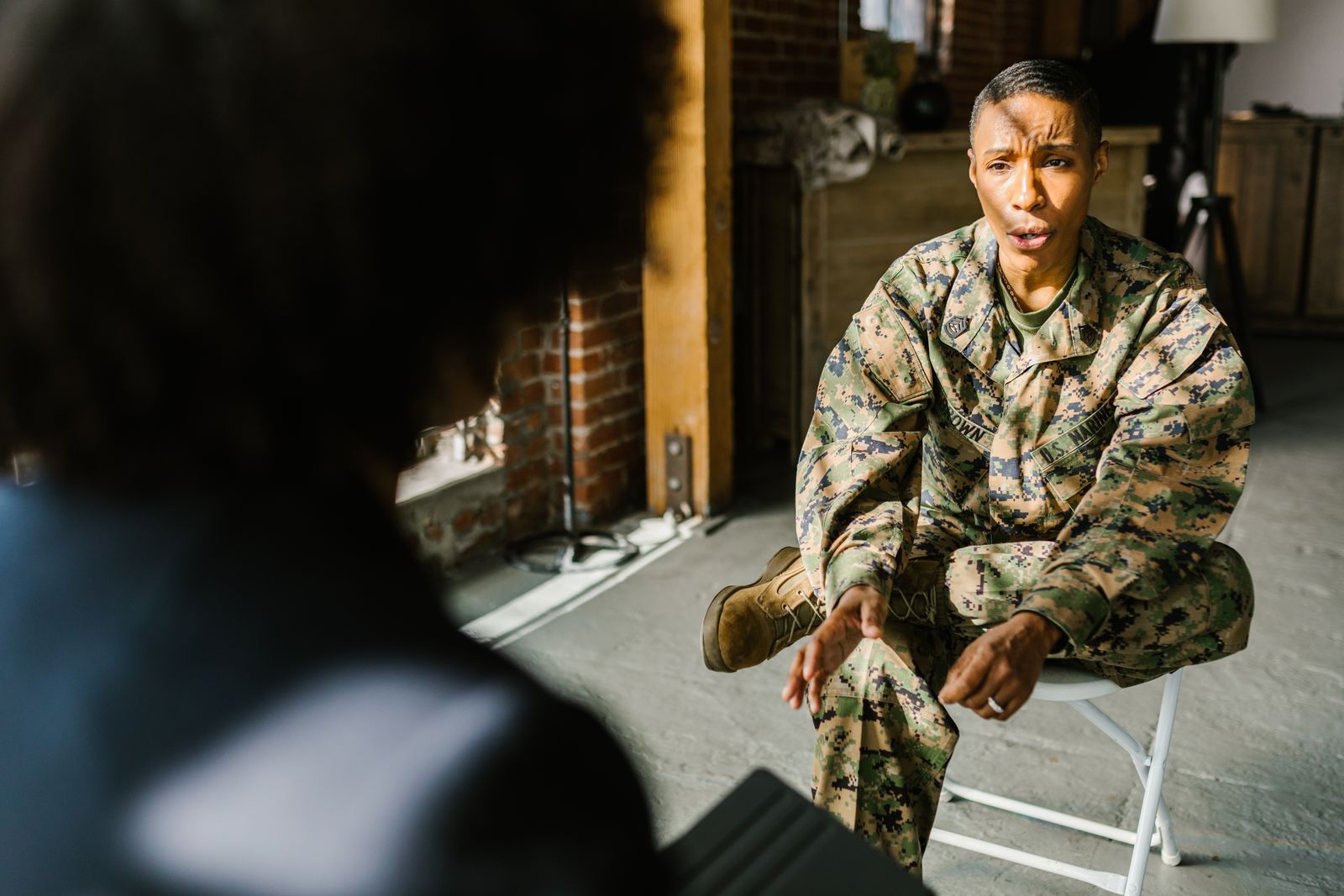
The woman, who identifies as trans, expressed that she had reservations about joining the military but succumbed to pressure from various people around her, including her partner’s family. Before her enlistment, her own parents had been her only support, advocating against her involvement in a system they knew was harmful.
Despite her parents’ warnings, she entered military service, where she endured a grueling year marked by emotional turmoil and regret. She described the experience not as a noble duty but as exploitation, stating, “I was used by it.” The stark reality of her situation clashed with the romanticized views many held about military life.
After her return, the woman faced a barrage of inquiries and unsolicited support from her partner’s family, who seemed oblivious to the distress she had endured. She recalled receiving messages from her partner’s mother, who offered to wash her uniform—a gesture that felt both trivial and mocking given her traumatic experience.
The nostalgia her partner’s family attached to her military service only deepened her wounds. While they believed they were expressing pride, she felt suffocated by their misguided admiration. “I never want to see my partner’s parents or grandparents again,” she stated emphatically. The disconnect between their perception and her reality created a chasm that she feels may never be bridged.
Further complicating her feelings were the well-meaning but misguided gestures from her partner’s grandparents. They invited her over to relax, offering a bath and a comforting presence, unaware of the heavy burden she carried. Their attempts to bond over military stories only intensified her sense of alienation, making her feel like an outsider within her partner’s family.
As she navigates her relationship with her partner, she has made her boundaries clear. Should they decide to marry, she has vowed to keep her partner’s family at arm’s length. “They are NOT getting to have a loving daughter-in-law,” she asserted, underscoring the complete shift in her feelings towards them. What was once potential kinship has soured, replaced with resentment.
Her story is a powerful reminder of the complexities surrounding military service, especially for marginalized individuals. Responses to her situation have varied, with some expressing solidarity and understanding of her pain. One person told her, “It’s your life, and you don’t owe anyone a narrative they want to hear.” Another reader emphasized the importance of self-preservation, saying, “Cut ties where you need to for your mental health.”
The overwhelming consensus seems to be that her well-being should take precedence over family expectations or societal norms. Navigating these expectations has been painful, particularly in a culture that often glorifies military service without regard for individual experiences.
As she reflects on her past, she grapples with the reality that both her personal journey and her family dynamics have been irrevocably altered. Mandatory military service was supposed to be a rite of passage, but for her, it became a source of trauma and isolation.
Whether to confront her partner’s family or withdraw further into her own space remains a difficult decision. The emotional scars from her military experience and the inability to reconcile those wounds with her partner’s family loom heavy in her mind.
More from Vinyl and Velvet:

Leave a Reply