

The most surprising home décor trend right now might be how many ’90s staples are back in rotation. Instead of straight nostalgia, you are seeing familiar finishes, colors, and patterns reworked with cleaner lines and calmer palettes. If you lived through the original era, these eight returning looks prove that the decade’s most divisive ideas can feel fresh again when you edit them for a 2025 home.
1) Honey Oak Revival
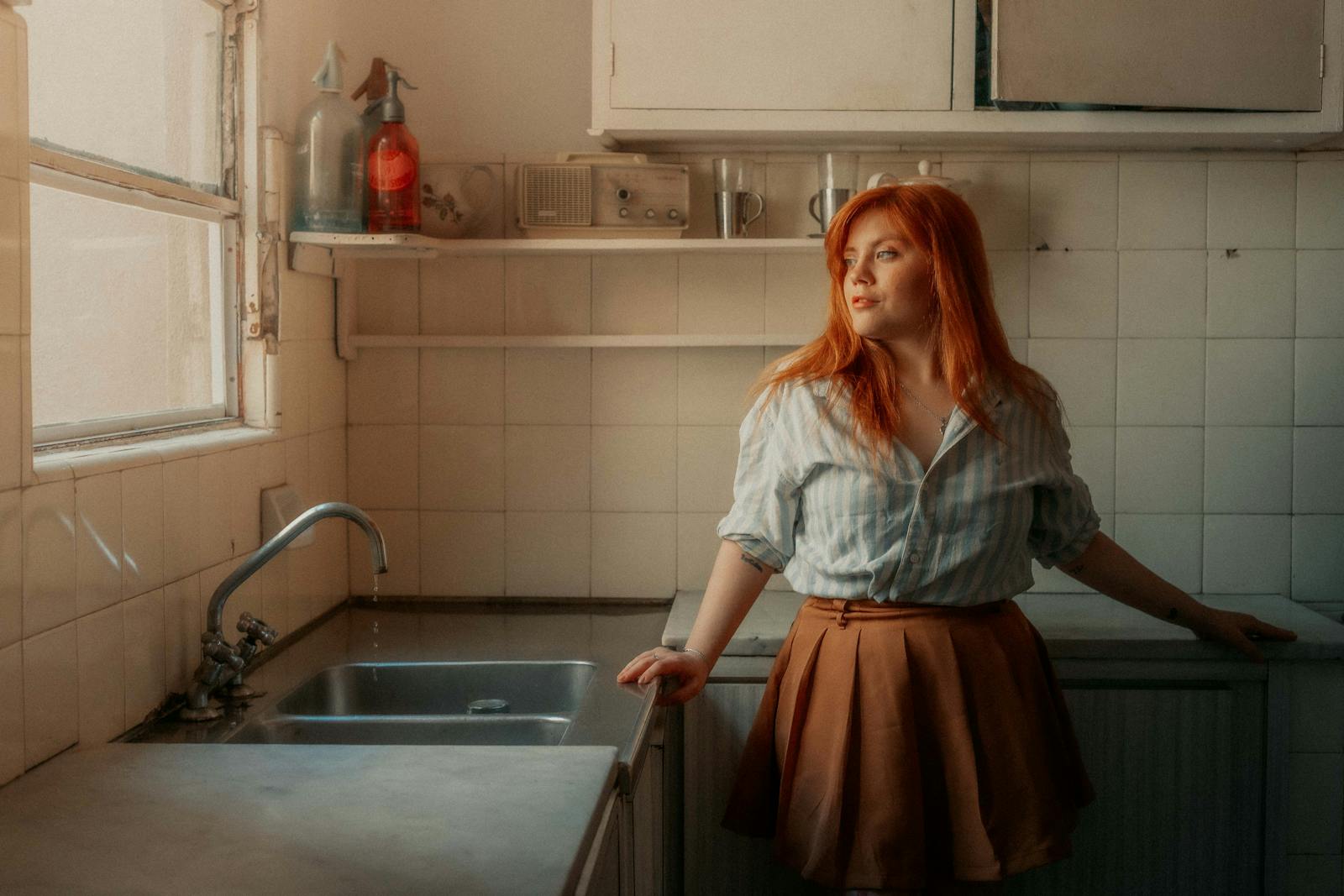
Honey oak revival is leading the ’90s comeback story, turning what was once dismissed as dated into a warm, intentional choice. Reporting on the honey oak wood revival notes that this “most divisive wood stain from the ’90s” is back in a big way, especially in kitchen cabinetry and built-ins. Designers are leaning into its orange-ish tone instead of fighting it, pairing the wood with creamy paints, simple slab doors, and unfussy hardware so it reads as cozy rather than cluttered.
For your own space, honey oak works best when you treat it as the star material instead of one finish among many. Keeping counters, tile, and textiles in a restrained palette lets the grain and color feel intentional, not leftover. The broader implication is that warm woods are displacing the cooler gray and white schemes that dominated the 2000s, signaling a shift toward interiors that feel nostalgic, tactile, and lived in.
2) Sponge-Painted Walls
Sponge-painted walls are another ’90s hallmark getting a second chance, this time with more discipline. Coverage of ’90s decor trends back in style points out that sponge painting is returning as a playful way to add texture without committing to heavy faux finishes. Instead of high-contrast colors, designers are layering two close shades of the same hue, which creates a soft, clouded effect that reads almost like limewash from a distance.
If you want to try it, the key is restraint: limit the technique to a single accent wall, a powder room, or a ceiling so it feels like an intentional feature. Because sponge painting is inexpensive and DIY friendly, it also lowers the barrier to experimenting with bolder color. That accessibility is part of why it fits the current appetite for personal, less “perfect” interiors that still photograph beautifully.
3) Country Blue Accents
Country blue accents, once synonymous with ’90s rooster kitchens, are resurfacing in more tailored ways. The same reporting on ’90s decor trends highlights how these serene yet vibrant blues are reappearing in cabinetry, tile, and textiles. When you shift the context from busy country motifs to clean-lined Shaker doors or simple checkerboard floors, the color suddenly feels coastal and crisp rather than kitschy.
To make country blue work now, pair it with warm neutrals like putty, sand, or soft white, and keep patterns graphic instead of frilly. A blue vanity with unlacquered metal hardware, or a checkerboard kitchen floor in blue and cream, nods to the past without recreating it wholesale. The renewed interest in this hue underscores a broader move away from all-white rooms toward color that still feels calming and livable.
4) Curtain Valances
Curtain valances, once written off as fussy, are quietly returning as a way to soften modern architecture. The same look back at five ’90s decor trends notes that these window toppers are being reimagined with simpler shapes and tailored pleats. Instead of heavily ruffled swags, you are seeing straight, boxy valances in linen or cotton that hide hardware and add a finished edge to otherwise bare windows.
In practical terms, a valance can visually raise a low ceiling by drawing the eye upward, or disguise less-than-perfect window frames in older homes. When you keep the fabric solid or subtly textured, it layers easily over roller shades or simple panels. This return reflects a larger appetite for “soft architecture,” where textiles do some of the work that used to fall solely to trim and millwork.
5) Laura Ashley Florals
Laura Ashley-inspired florals are back, but with a more curated, edited feel. Coverage of ’90s romantic patterns points to delicate, vintage-style blossoms reappearing on wallpaper, upholstery, and bedding. You can see the influence in products like the Laura Ashley Valance, Cotton Rod Pocket Top Window Treatment, Chic Home Decor, Blackout Curtain Valances for Kitchen Window, Living Room, which channels that familiar small-scale floral in a more streamlined silhouette.
To keep these prints from feeling saccharine, designers are pairing them with clean-lined furniture, solid-color rugs, and modern lighting. A single floral headboard or one wallpapered bedroom wall can deliver the romance without overwhelming the architecture. The resurgence of these patterns shows how “grandmillennial” style has evolved into something more balanced, where traditional motifs coexist with contemporary shapes and technology.
6) Brass Fixtures
Brass fixtures, a staple of ’90s bathrooms and kitchens, are firmly back in the rotation as part of a broader vintage revival. A survey of vintage home trends making a comeback singles out shiny brass taps, cabinet pulls, and lighting as key players. Today’s versions often use brushed or unlacquered finishes, which patinate over time and avoid the mirror-like glare that once felt dated.
For your home, swapping in brass hardware is one of the fastest ways to warm up an all-white or gray room. It also pairs naturally with honey oak, marble, and country blue, tying several of these returning ’90s elements together. The renewed popularity of brass signals a shift toward metals that age visibly, reflecting a preference for materials that tell a story instead of staying pristine.
7) Bold Gen Z Revivals
Bold Gen Z revivals are pushing ’80s and ’90s patterns back into the spotlight, often in ways that surprise the people who grew up with them. A personal account of ’80s and ’90s trends Gen Z kids are bringing back describes how younger homeowners are embracing saturated colors, graphic prints, and playful accessories their parents once retired. Think checkerboard rugs, squiggly mirrors, and neon accents layered into otherwise simple rooms.
What feels different now is the mix: Gen Z tends to pair these loud elements with thrifted furniture, tech-friendly layouts, and plenty of negative space. That combination turns what could be visual chaos into something curated and Instagram ready. The trend underscores how nostalgia cycles are accelerating, with younger generations mining their childhoods for inspiration and treating once-cringey décor as a form of self-expression.
8) Cyclical ’90s Influences
Cyclical ’90s influences are visible when you zoom out and look at a full century of interiors. A historical overview of 100 years of interior design traces how trends loop, from ornate early twentieth century rooms to the pared-back minimalism that followed. In that context, the curved sofas, layered textiles, and relaxed silhouettes of the 1990s look less like an anomaly and more like one stop in a repeating pattern.
Recent picks of 2025 design trends editors love highlight layered textures, softer shapes, and cozy color palettes that echo those ’90s rooms, even when the finishes are updated. For you, the takeaway is that leaning into these returning ideas is not just about nostalgia, it is about aligning with a long-running rhythm in design. When you choose the best parts of the decade and skip the excess, the result feels timeless rather than trendy.
More from Vinyl and Velvet:

Leave a Reply