

Retro hair can look charming in old photos, but some styles have become shorthand for regret. From scorched perms to gravity-defying beehives, these looks left you with more damage, maintenance and mockery than glamour. Here are nine retro hairstyles everyone regrets, and the specific reasons they earned that reputation.

1) The Mullet
The mullet exploded in the 1980s, then became a punchline you still hear today. The cut’s split personality, “business in the front, party in the back,” turned into a visual stereotype for bad taste, especially after Billy Ray Cyrus pushed it into the mainstream in 1992 with “Achy Breaky Heart.” Later, even a bad haircuts contest tied to Billy Ray Cyrus underlined how strongly people associated him with regrettable hair.
By 2010, a GQ poll reported that 80% of former mullet wearers wished they had skipped the style entirely. Coverage of Regrettable Hairstyles of the 1980s ranked The Mullet and even listed Mr Billy Ray Cyrus in fourth place, noting he possibly realised his music was no longer the main talking point. For you, the long-term stake is clear: old yearbook photos and social media throwbacks keep this haircut’s stigma alive.
2) The 1980s Perm
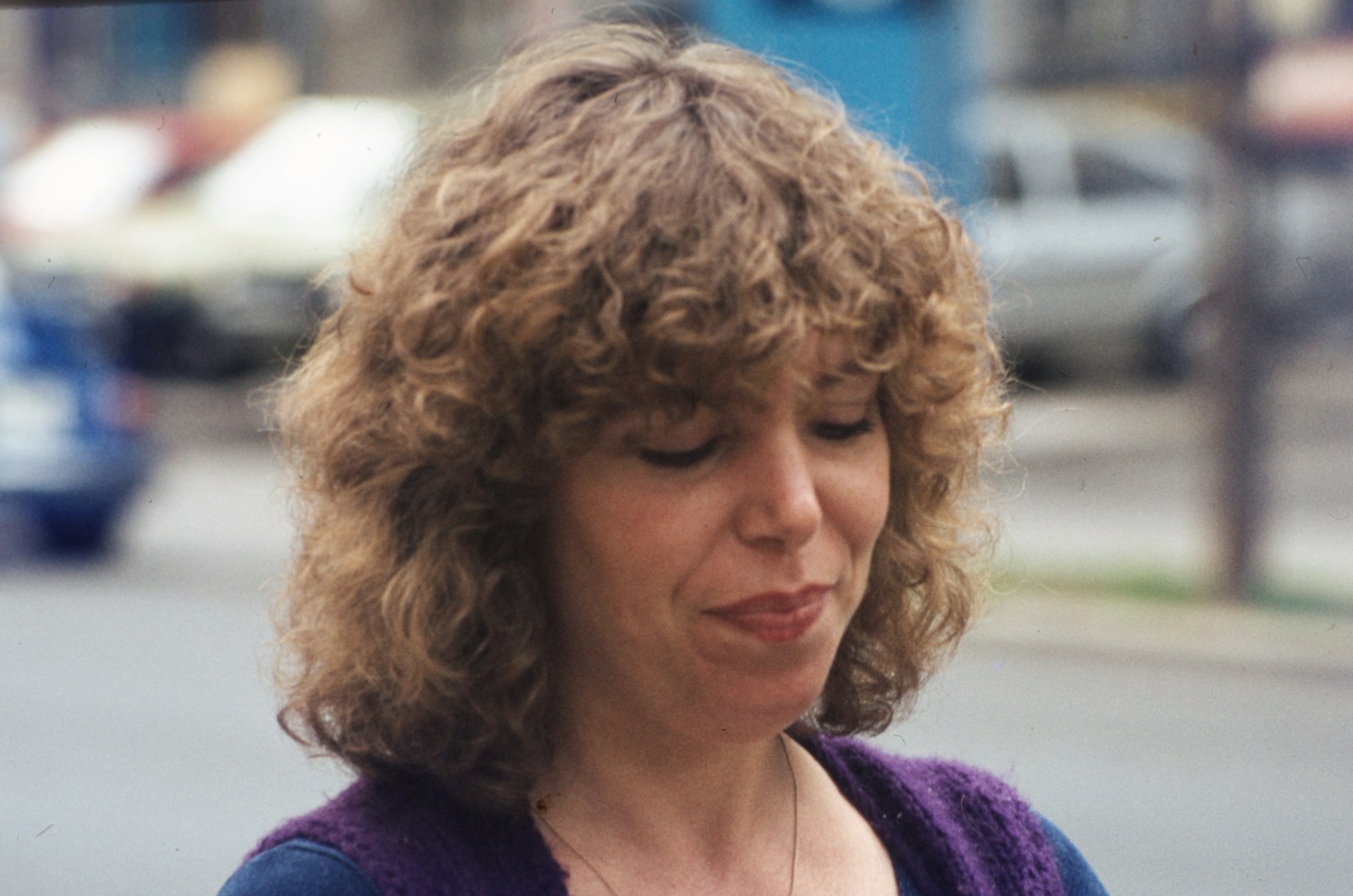
The 1980s perm promised effortless curls but often delivered chemical damage. Salons relied on ammonium thioglycolate, a harsh agent that reshaped your hair’s internal bonds. A 1985 Journal of the American Academy of Dermatology study found that 40% of users experienced breakage and scalp irritation after these treatments. That kind of reaction meant your quest for volume could easily end with thinning, brittle strands and a sore, inflamed scalp.
On top of the health risks, the financial and emotional costs stacked up. Women in the era typically paid about $50 per session, according to Salon International records, only to watch curls frizz out and fall flat within six months. When you factor in follow-up conditioning, trims to remove damage and the time spent sitting under dryers, the perm became a textbook example of a retro hairstyle that simply was not worth the regret.
3) Farrah Fawcett’s Feathered Wings
Farrah Fawcett’s feathered wings looked effortless on the 1976 series Charlie’s Angels, but the reality for fans was far from low maintenance. Her signature feathered hairstyle inspired more than 10 million women to attempt the look, chasing that soft, face-framing flip. A 1978 Cosmopolitan survey later found that 65% of them regretted the daily styling demands.
To get those wings to sit just right, you had to spend around 30 minutes every morning blow-drying, curling and brushing hair away from your face. For working women juggling commutes and childcare, that routine quickly became unsustainable. The style’s dependence on heat tools also raised the risk of dryness and split ends, turning what looked like carefree glamour into a grind that left you exhausted and your hair over-processed.
4) The Jheri Curl
The Jheri curl, created in 1979 by Robert L. Jones, promised glossy, defined curls for textured hair. It reached peak visibility when Michael Jackson wore it throughout the Thriller era, cementing the look in pop culture. Yet the style’s reliance on activator spray quickly became a liability, as wearers complained that the product stained clothes, furniture and pillowcases.
Jackson himself lamented the flaking and mess in interviews, reflecting a broader frustration among fans who copied his look. Maintaining a 1970s Jheri curl meant nightly curl replenishing, constant reapplication of activator and a lingering odor that could persist for weeks. For you, the trade-off was stark: yes, you got soft curls, but at the cost of ruined collars, greasy hands and a reputation for leaving a trail of product everywhere you went.
5) Big 1980s Teased Hair
Big 1980s teased hair turned volume into a competitive sport. At the 1986 MTV Video Music Awards, Jon Bon Jovi embodied the look with towering, sprayed layers that seemed to defy gravity. To copy that height, you had to backcomb aggressively and lock everything in place with stiff sprays, creating a helmet-like shell that was nearly impossible to brush out.
The health consequences were serious. A 1987 report in Dermatology Times linked heavy teasing to traction alopecia in 25% of adopters, meaning a quarter of people who embraced the trend saw actual hair loss. Backcombing with fine-tooth combs weakened roots and roughened cuticles, leaving you with breakage that could take months to grow out. In hindsight, the price of that extra inch of height was far too high for your scalp.
6) The 1960s Beehive
The 1960s beehive stacked hair into a towering silhouette that defined an era. Brigitte Bardot made the look iconic in the 1965 film Viva Maria!, where her teased crown and pinned structure became instantly recognizable. Achieving that height required intense backcombing and generous layers of Aqua Net, leaving hair stiff and immobile for days.
Health officials eventually raised alarms about the products that kept those beehives aloft. A 1968 FDA alert warned of respiratory issues from inhaling hairspray propellants, a real risk when you were saturating your hair in enclosed bathrooms. The updo also trapped heat and sweat against the scalp, worsening dandruff in humid cities such as 1960s Paris. For you, the beehive’s glamour came bundled with breathing concerns and itchy, irritated skin.
7) Rachel Green’s Friends Haircut
Rachel Green’s layered cut on Friends became the defining salon request of the 1990s. When Jennifer Aniston debuted the look in the 1994 pilot, the choppy, face-framing layers seemed universally flattering. Around 20 million women tried to copy the style, turning it into a cultural phenomenon that still gets referenced whenever you mention 1990s hair.
Behind the scenes, even Aniston struggled. In a 2004 Allure interview, she admitted, “I had to grow it out because it was a nightmare to maintain,” and later reiterated to Jennifer Aniston had trouble styling ‘Friends’ haircut coverage that Rachel Green’s layers were tricky. Uneven growth meant constant $100 trims at salons such as Bumble and Bumble, and for you, that translated into a high-maintenance cut that quickly lost its shape.
8) The 1980s Side Ponytail
The 1980s side ponytail took a basic style and twisted it into a pop statement. During her 1984 Like a Virgin tour, Madonna wore her hair yanked high and off to one side, often wrapped in bright scrunchies. Teen fans followed suit, pairing the look with neon leggings and lace gloves, turning the asymmetrical pony into a shorthand for bubblegum rebellion.
Yet the tension required to keep that ponytail perched above one ear had consequences. A 1986 Headache Journal study found a 15% higher incidence of headaches among people wearing tight traction styles, including side ponytails. Scrunchies added bulk that pulled on roots and even strained neck muscles during long wear. For you, the style’s playful vibe often ended in throbbing temples and sore scalps, hardly the carefree fun it promised.
9) 1970s Afros with Picks
In the 1970s, the Afro became both a hairstyle and a political statement. Angela Davis wore a full, rounded Afro during her 1970 activism in Oakland, California, turning the look into a symbol of Black pride and resistance. Maintaining that shape required daily use of Afro Sheen and constant combing with metal picks to keep the halo even and lifted.
A 1972 Ebony article noted that the products and manipulation often led to dryness and breakage, quoting Davis saying, “It was revolutionary, but the upkeep was relentless.” Reports from 1970s afro trend clinics indicated daily picking in humid weather caused about 30% more breakage. For you, the stakes were emotional as well as physical, balancing cultural identity with the toll that constant maintenance took on your hair’s health.
More from Vinyl and Velvet:

Leave a Reply