

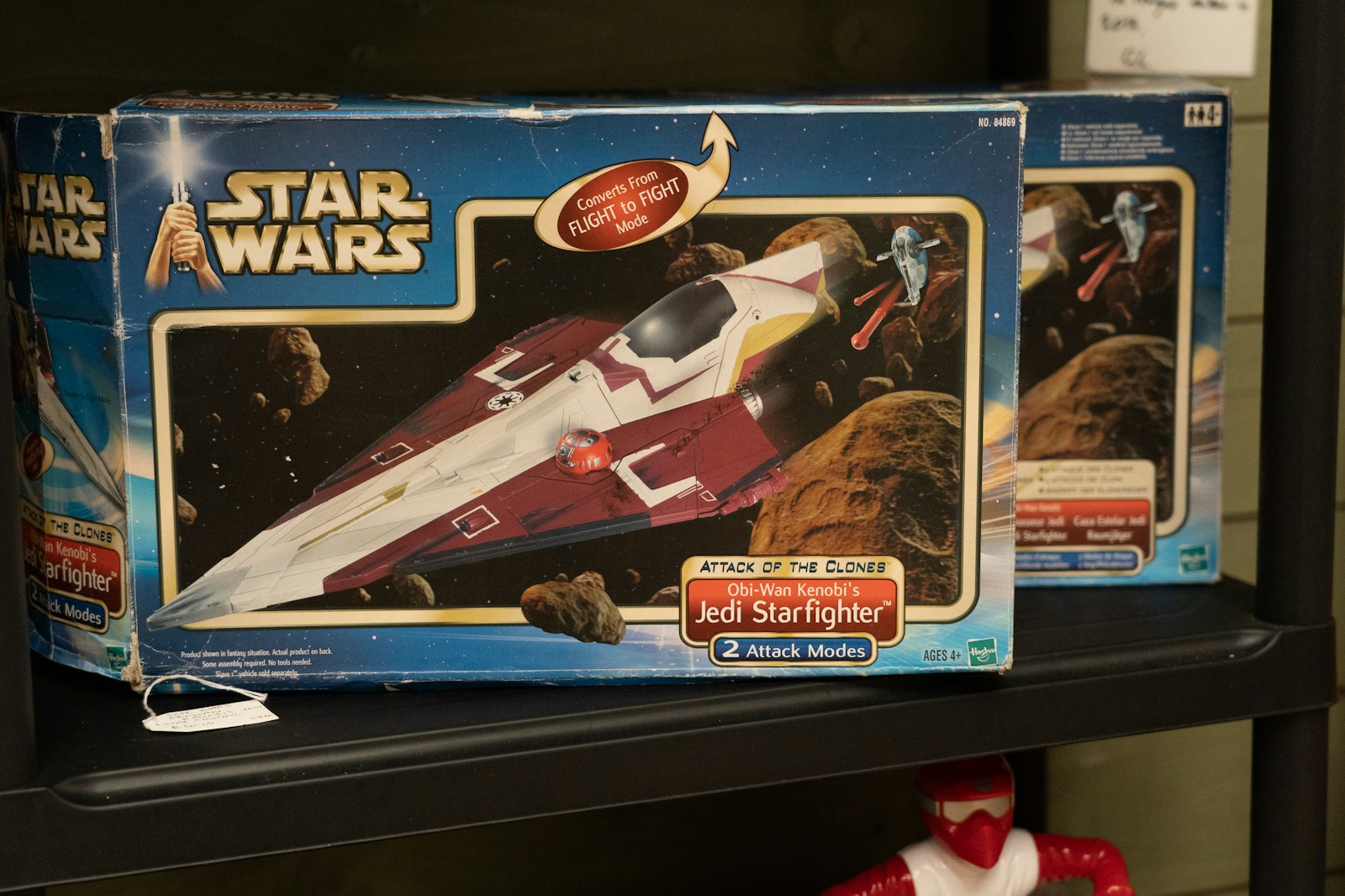
From space sagas to simple puzzles, a handful of classic toys did more than fill up toy boxes, they rewired how childhood looks and feels. These seven icons reshaped imagination, family rituals and even global collecting habits, proving that a well-designed plaything can echo through generations long after the batteries die or the packaging disappears.
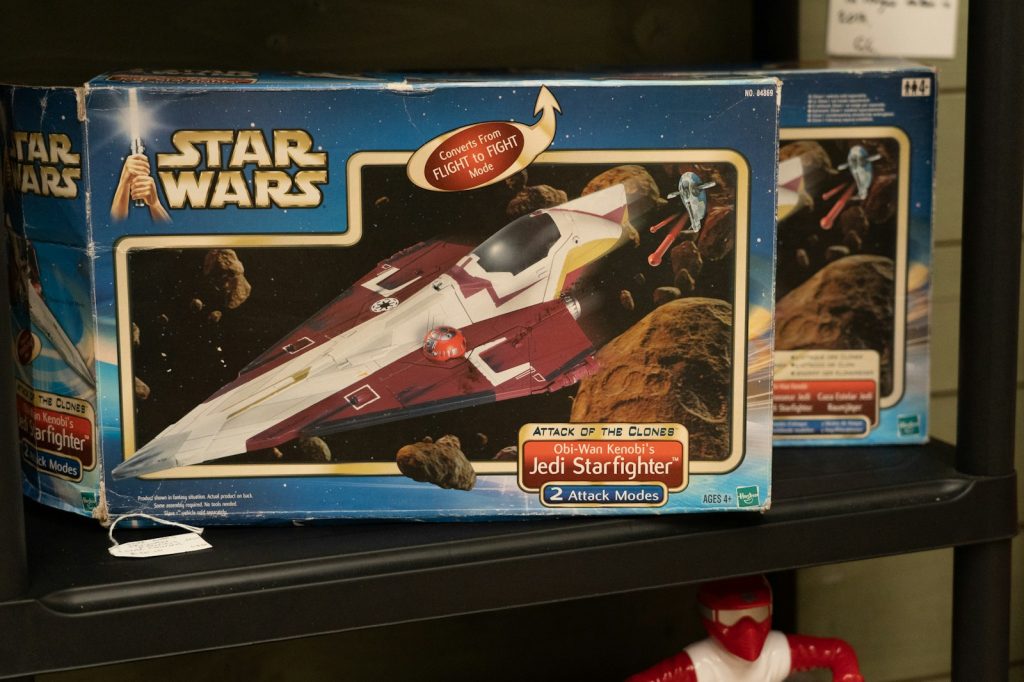
1) Star Wars Action Figures
Star Wars action figures turned movie fandom into a daily, living-room ritual. When the first 3.75‑inch figures arrived in the late 1970s, they invited you to restage epic battles and invent new adventures far beyond what appeared on screen. Reporting on 1970s toys that now command thousands highlights how original Star Wars figures, especially in unopened packaging, have become high‑value collectibles. That surge in value reflects how deeply these toys embedded cinematic storytelling into childhood, turning kids into co-authors of the Star Wars universe.
The economic legacy of those small plastic heroes is just as striking as the cultural one. Collectors now treat rare figures like investment assets, tracking card variations, factory errors and limited runs with the precision of art buyers. For parents and grandparents, the prices underscore how a relatively affordable toy line helped define a generation’s sense of adventure. For the modern toy industry, the enduring demand proves that tightly linked film merchandising and character play can sustain a franchise for decades.
2) Rubik’s Cube
The Rubik’s Cube arrived at the tail end of the 1970s and quietly rewrote what a “fun” toy could be. Instead of lasers or licensed characters, it offered a simple, twistable puzzle that demanded patience, spatial reasoning and pattern recognition. Coverage of vintage electronic and puzzle toys shows how late‑70s innovations pushed play toward brain‑teasing challenges, and pristine early cubes now sit in the same collector conversations as high‑end electronics. That shift proved that mental difficulty could be a selling point, not a barrier, for kids and adults alike.
In living rooms and classrooms, the cube normalized the idea that problem‑solving could be competitive and social. Speed‑solving contests, algorithm guides and school math clubs all grew around its colored faces. For educators, it became a tangible way to talk about algorithms and symmetry. For manufacturers, its global success opened the door for a wave of STEM‑leaning toys, from logic games to coding kits, that treat cognitive stretch as entertainment rather than homework.
3) Mickey Mouse Plush
The Mickey Mouse plush turned a two‑dimensional cartoon into a constant companion, showing how character licensing could fuse storytelling with everyday comfort. Early in the 20th century, Mickey merchandise proved that children wanted to hold their favorite characters, and by the 1970s, soft toys based on animated icons were staples in bedrooms worldwide. Reporting on how Disney reshaped entertainment details how the company built a business model where films, TV and toys reinforce one another, with Mickey at the center.
That strategy permanently changed childhood play patterns. Instead of generic teddy bears, kids cuddled characters with backstories, theme-park rides and TV specials attached. The plush became a gateway into a larger narrative world, encouraging repeat viewing, family trips and more licensed purchases. For the wider industry, Mickey’s success set the template for character-driven toy lines, from superheroes to streaming-era mascots, proving that emotional attachment to a story can be as important as the toy’s physical design.
4) Action Man Doll
Action Man brought military and adventure role‑play into countless homes, especially as a must‑have Christmas present in the 1970s. Detailed uniforms, vehicles and accessories encouraged you to script missions, rescues and expeditions that could stretch across entire holidays. Historical coverage of classic toys that topped Christmas lists notes that Action Man was a standout request and, crucially, that versions of the figure are still available to buy today. That continuity shows how strongly the character has stayed lodged in family traditions.
By framing a doll as a rugged operative, Action Man also broadened what boys were socially encouraged to play with. Articulated limbs, changeable outfits and narrative accessories blurred the line between “doll” and “action figure,” influencing later lines from soldiers to superheroes. For parents and retailers, the toy’s staying power illustrates how detailed customization and open‑ended scenarios can keep a single character relevant across generations, even as attitudes toward war and heroism evolve.
5) Simon Electronic Game
The Simon electronic game, launched in 1978, introduced many kids to the idea that a toy could respond, remember and challenge them. Its circular console, flashing colored pads and escalating beeps turned memory into a high‑stakes contest you could play solo or in a group. Collectors now seek out original units, and videos that invite you to watch a Vintage Electronic Simon Game highlight how the Milton Bradley Toy captured the futuristic feel of late‑70s electronics. That blend of sound, light and simple rules made Simon a gateway to interactive tech.
Simon’s success signaled a turning point for the toy industry, showing that microchips and musical feedback could be as compelling as plastic accessories. It paved the way for handheld games, learning computers and eventually consoles that treat responsiveness as the core of play. For today’s designers, the game remains a lesson in restraint, its enduring appeal proving that a clear challenge loop and instant feedback can outlast far more complex gadgets in both memory and resale value.
6) Sindy Doll
The Sindy doll offered a different kind of aspiration, inviting children to imagine everyday futures rather than distant galaxies or battlefields. With fashionable outfits, domestic accessories and a focus on ordinary life, she became a fixture on 1970s wish lists. Historical reporting on which dolls dominated Christmas shows Sindy appearing prominently and confirms that you can still buy versions of her today. That ongoing availability underlines how strongly her grounded, relatable persona resonated with generations of kids.
By centering school, friendships and home life, Sindy encouraged role‑play that mirrored the world children actually saw around them. The doll’s wardrobe and accessories reflected shifting fashions and social expectations, turning playtime into a quiet commentary on what adulthood might look like. For parents and cultural critics, Sindy’s evolution tracks broader debates about gender roles and representation, illustrating how even a seemingly simple fashion doll can shape, and be shaped by, changing ideas of identity.
7) View-Master Reels
View-Master reels transformed static images into immersive mini-vacations, especially when paired with licensed stories. By the mid‑20th century, and peaking in 1970s popularity, children could click through 3D scenes from nature, cities and hit cartoons. Disney‑branded reels, in particular, let you step inside animated worlds, extending the company’s storytelling into handheld form. Analyses of Disney’s century of innovation emphasize how such licensing deals helped cement character-based play as a cornerstone of modern childhood.
That fusion of optics and narrative foreshadowed today’s obsession with immersive media, from VR headsets to augmented reality apps. For kids, the simple act of clicking the lever trained an expectation that stories could surround them visually, not just live on a flat page or screen. For the toy and entertainment industries, View-Master proved that hardware and content could be tightly intertwined, with each new reel driving both replay value and fresh licensing opportunities that still echo in contemporary franchise strategies.
Supporting sources: Traumatic event that changed Adele’s life forever and the down-to-earth child…, Mickey Mouse Star Wars Cartoon & TV Character Action ….
More from Vinyl and Velvet:

Leave a Reply