

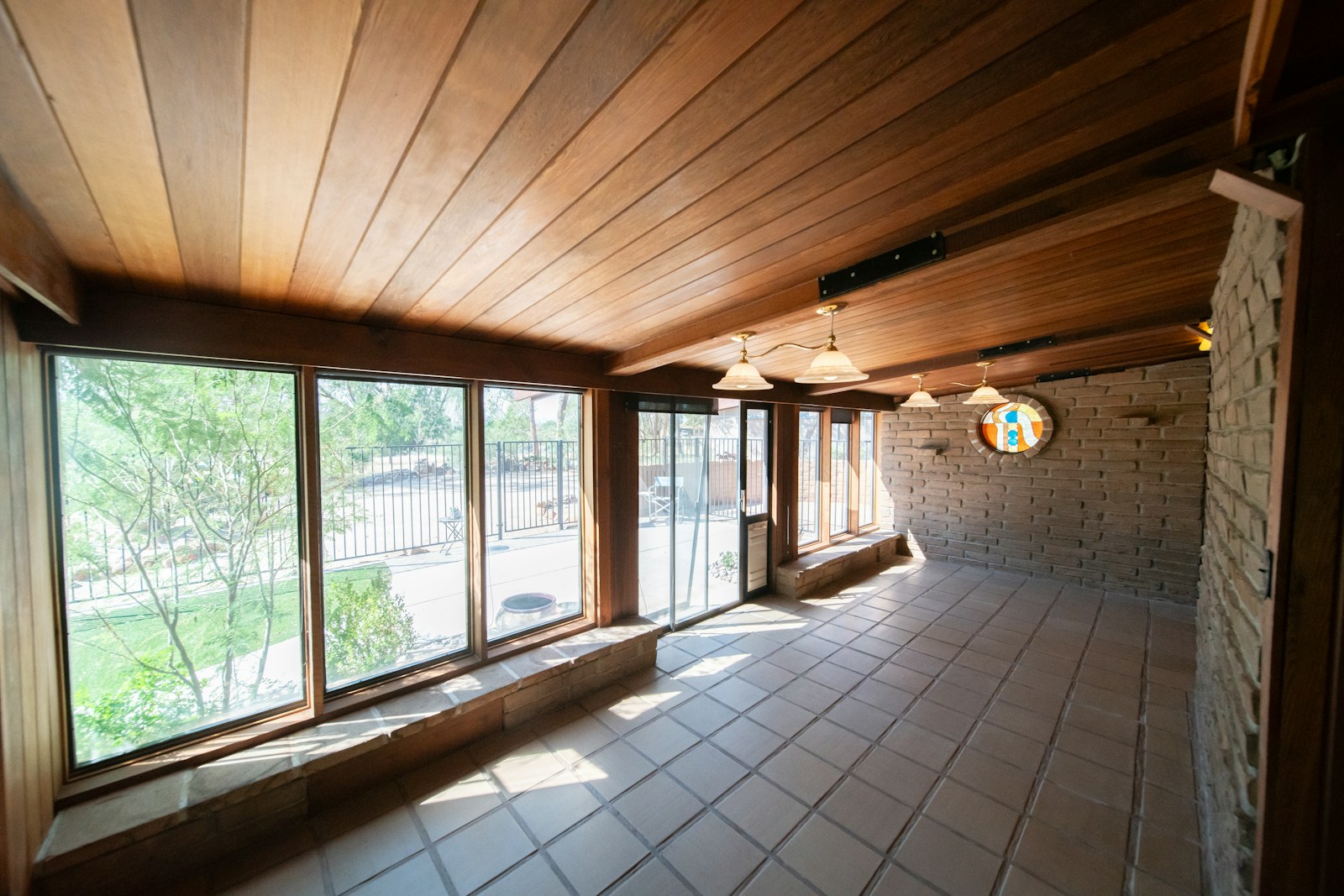
Boomers are watching the design cycle spin back in their favor, as nostalgic revivals from the 1950s and 1970s quietly reassert themselves against minimalist, TikTok-driven trends. Across generations, younger homeowners may be chasing sleek lines and viral aesthetics, but nine classic choices keep proving why timeless coziness still wins. If you are leaning into comfort, character, and memory-rich details, these are the home design trends boomers still love.
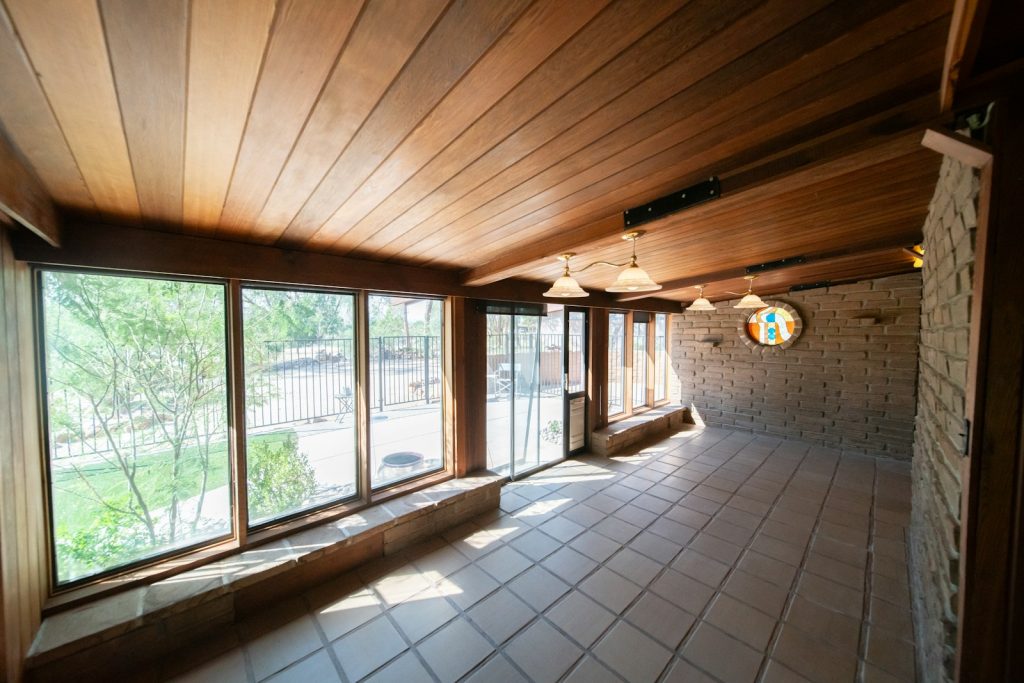
1) Wood Paneling Walls
Wood paneling walls remain a signature boomer favorite because they instantly warm up a room and soften acoustics in a way painted drywall rarely matches. Reporting on 1970s decor that made life feel cozier highlights how paneled walls created snug, cocoon-like living spaces that felt insulated from the outside world. That sense of enclosure is exactly what many older homeowners still seek, especially in dens, basements, and TV rooms where sound absorption and visual warmth matter.
For you, the appeal is practical as much as nostalgic. Wood paneling hides scuffs, adds subtle texture, and pairs easily with both vintage and updated furniture. While some millennials and Gen Z buyers rush to paint or rip it out, boomers often refinish or lighten the stain instead, preserving the tactile quality that drywall cannot replicate. The broader trend points to a renewed respect for natural materials and layered surfaces that make a home feel lived in rather than staged.
2) Floral Wallpaper Patterns
Floral wallpaper patterns from the 1950s are back in circulation, and boomers are embracing them as if they never left. Coverage of nine revived 1950s trends notes that classic blossoms and vines are returning to dining rooms, bedrooms, and even powder rooms, often in updated colorways but with unmistakably retro motifs. For older adults, these patterns are not kitsch, they are memory triggers that recall childhood kitchens, grandparents’ parlors, and first apartments.
In a design landscape dominated by white walls and beige “greige,” floral wallpaper offers you a way to reclaim personality. Boomers often choose small-scale prints for hallways or bolder chintz in a single feature wall, using the pattern as a backdrop for heirloom art and family photos. The stakes are generational: while minimalism can feel impersonal, these florals signal that your home is a place for stories, not just for Instagram-ready emptiness.
3) Shag Carpet Flooring
Shag carpet flooring, once the unapologetic star of 1970s living rooms, still holds a soft spot in boomer hearts. A detailed look at ’70s decor we secretly miss points out that shag’s thick, plush texture made spaces feel indulgently cozy and came in every shade imaginable. That sensory comfort is hard to match with the hard-surface floors and thin rugs younger buyers often prefer for their streamlined look.
Generational divides show up clearly here. Reporting on trends millennials have had enough of underscores how many younger homeowners reject wall-to-wall carpet in favor of wood or concrete. Boomers, by contrast, still appreciate how shag cushions joints, dampens noise, and invites you to sit on the floor with grandkids. For aging in place, that softness is not just nostalgic, it is a comfort and safety feature that makes everyday living easier.
4) Brass Hardware Fixtures
Brass hardware fixtures, a staple of midcentury kitchens and baths, are enjoying a polished comeback that boomers never really abandoned. Older adults speaking out about design trends they despise often criticize flat black and ultra-matte finishes as cold, hard to clean, or too obviously trendy. Warm brass, by contrast, feels familiar, forgiving of fingerprints, and visually connected to the wood tones and patterned surfaces many boomers favor.
For your own spaces, brass knobs, pulls, and faucets bridge old and new. They sit comfortably alongside floral wallpaper, wood cabinetry, and traditional tile, while still reading as current when paired with simple shaker doors. The broader implication is that “timeless” metal finishes are rarely the starkest ones. By leaning into brass, boomers are quietly resisting the cycle of disposable trends and choosing hardware that can age gracefully with the rest of the house.
5) Tufted Upholstery Sofas
Tufted upholstery sofas, with their deep buttons and plush cushions, channel the cozy conversation pits and lounges of the 1970s that boomers remember fondly. Recent coverage of overdone Gen Z design trends notes that younger tastemakers now dismiss heavily tufted pieces as TikTok-saturated and visually busy. Yet for older homeowners, that same tufting signals support, durability, and a certain formality that suits long evenings of reading or hosting.
When you choose tufted seating, you are prioritizing comfort over the razor-thin silhouettes that dominate social media. The stitching helps cushions keep their shape, and the classic profiles work with both vintage coffee tables and newer media consoles. As Gen Z cycles through micro-trends, boomers’ loyalty to tufted sofas underscores a preference for investment pieces that can stay in the family rather than being replaced every few years.
6) Built-In Bar Carts
Built-in bar carts, rooted in 1950s entertaining culture, are reappearing in floor plans and renovations, much to boomers’ delight. Designers forecasting interior trends for 2026 highlight a renewed focus on integrated storage and hospitality zones, including dedicated bar nooks. For older adults who grew up with cocktail hours and formal gatherings, a built-in bar feels both nostalgic and practical, keeping glassware, mixers, and spirits organized in one elegant spot.
The appeal goes beyond aesthetics. A fixed bar area can be designed with accessible heights, pull-out shelves, and good lighting, making it easier for you to entertain without constant trips to the kitchen. It also reflects a larger shift toward homes that support staying in, from game nights to multigenerational holidays. In that context, the built-in bar cart is less a retro novelty and more a signal that your home is designed for connection.
7) Avocado Green Accents
Avocado green accents, once the defining color of 1970s appliances and bathrooms, are quietly returning in textiles, paint, and decor. Reporting on cozy ’70s trends notes that earthy palettes helped rooms feel grounded and relaxed, a quality boomers still seek. When you bring avocado into throw pillows, tile, or accent chairs, you tap into that same sense of warmth without committing to a full retro kitchen.
Older adults who dislike harsh neons and hyper-saturated digital hues see avocado as a calmer alternative that plays well with wood paneling and brass. The color’s association with nature also aligns with a broader move toward biophilic design and indoor plants. For boomers, this shade is not ironic or kitschy, it is a familiar comfort that softens the visual noise of modern life and makes rooms feel like a retreat.
8) Chrome Kitchen Appliances
Chrome kitchen appliances, a hallmark of 1950s modernity, are once again catching boomer eyes for their retro gleam. Coverage of ’50s trends making a comeback points to shiny chrome finishes as a playful counterpoint to the uniform stainless steel that has dominated recent decades. For many boomers, chrome recalls diner counters, classic cars, and the optimism of midcentury design, all wrapped into everyday appliances.
In practical terms, chrome accents on ranges, refrigerators, or small appliances can break up the monotony of all-gray kitchens. You might pair them with checkerboard floors or colorful backsplashes to lean into the retro mood, or simply let the hardware sparkle against white cabinets. The contrast with millennial fatigue over stainless steel highlights a generational desire for kitchens that feel lively and personal rather than purely utilitarian.
9) Layered Rugs Overlaps
Layered rugs overlaps, a practice that gained traction in 1970s bohemian interiors, remain a go-to strategy for boomers seeking extra softness underfoot. While some younger critics now lump layered rugs into dated TikTok trends, older homeowners see them as a practical way to add warmth, cover cold floors, and define zones in open-plan rooms. Stacking a patterned wool rug over a larger natural-fiber base can instantly make a seating area feel more intimate.
For you, the benefits are tangible. Layering allows you to reuse older rugs, hide wear in high-traffic spots, and adjust cushioning where you stand the most, such as in front of a sink or sofa. It also reflects a broader boomer preference for collected, eclectic spaces rather than one-note, catalog-perfect rooms. In a design era obsessed with minimalism, those overlapping rugs quietly assert that comfort and history still matter.
More from Vinyl and Velvet:

Leave a Reply