

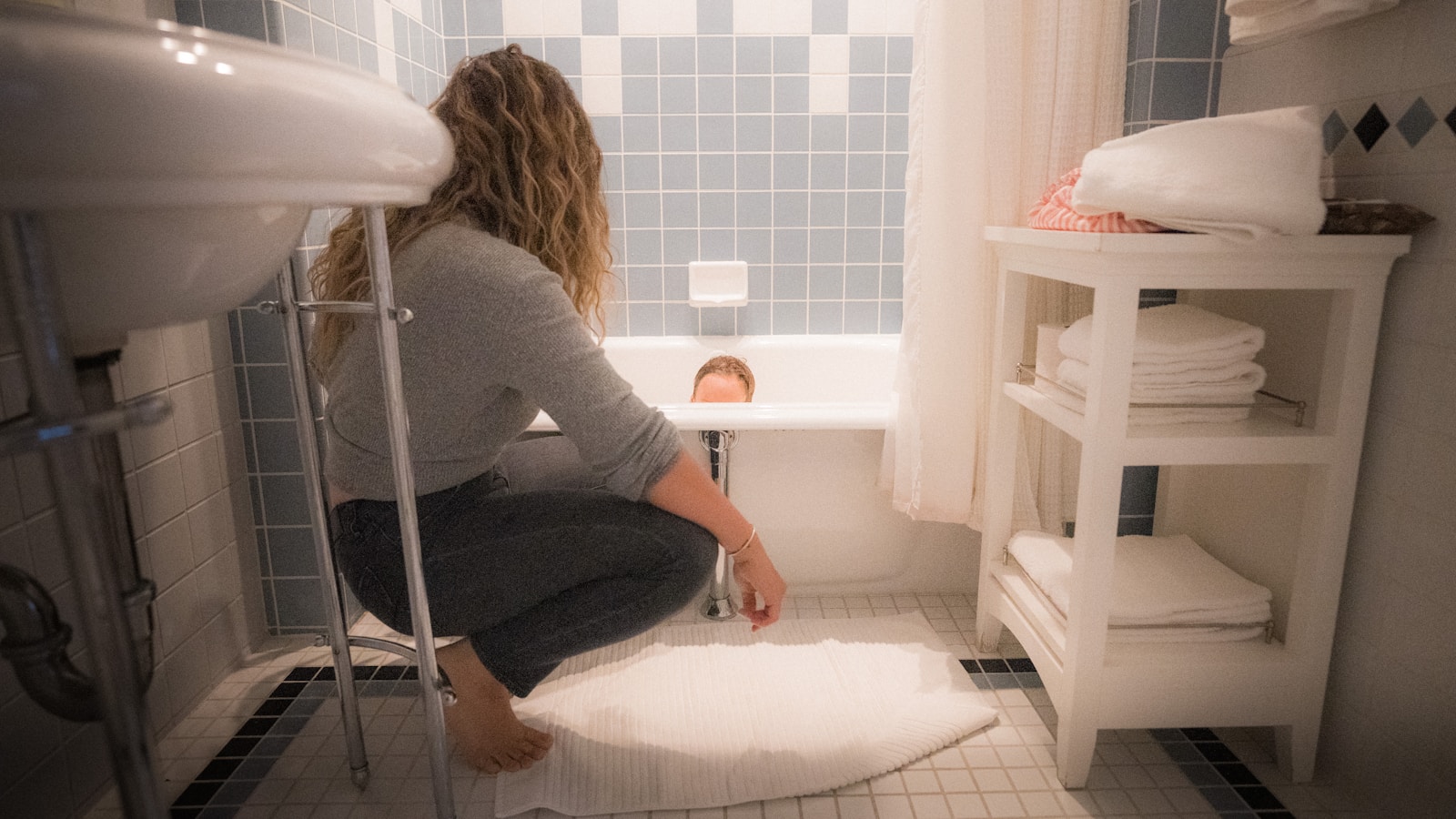
A woman recently recounted a deeply unsettling experience after discovering the untidy reality of her husband’s upstairs work area, which he had claimed to keep clean. When her husband, 56, had to undergo emergency surgery, she wanted to ensure he returned to a tidy home. This decision led her to venture upstairs, an area she usually avoided due to her own health issues stemming from a spinal injury.

What she found upon entering the upstairs space shattered her perception of her husband. Instead of the clean environment he had promised, she was met with an overwhelming mess. Boxes filled with junk, items piled on every available surface, and the two bathrooms were in a dire state. The toilets, coated in what appeared to be years of neglect, were especially distressing. It took her four hours to rectify the situation, laboring to remove layers of grime and filth that seemed to indicate these spaces had not seen a proper cleaning in the four years they had lived in their home.
The woman described the bathroom mirrors as so caked with gunk that their surfaces required several different cleaners to finally show any sign of clarity. She noted that the countertops were invisible beneath the mountain of items strewn about and the dust was thick enough to allow her to write her name on it. It was a shocking contrast to the image of a clean partner she had held onto throughout their nearly nine years of marriage.
Backtracking a bit, she explained she had known her husband since high school and thought he was generally clean. He maintained good personal hygiene and kept his appearance neat. While she was aware of his tendency to be messy, she never anticipated that the problem would escalate to this degree. With a large home intended to accommodate family visits, he often made excuses about not having the space to organize his belongings. Yet, the reality she uncovered was far more severe than she had imagined.
The woman had always offered to assist him with cleaning the upstairs, but he consistently insisted he could manage it on his own. The abrupt need for her to step in after his surgery unveiled a dark side of his neglect. Upon returning home, instead of gratitude for her efforts, he reacted with anger. This unexpected response only added to her feelings of confusion and disgust.
She expressed that she felt she no longer knew her husband as she once did, and the image of the caked toilets lingered heavily in her mind. The sight of those bathrooms had shifted something in her perception of him, and she now grappled with the idea of whether to discuss this with him further or seek help on his behalf. She suggested he might benefit from seeing a therapist, recognizing that the state of the upstairs represented more than mere messiness; it indicated a deeper issue that required attention.
As the days passed after his return from the hospital, her internal struggle became increasingly complex. The man she had married was now seen through a lens clouded by those dirt-encrusted toilets and the overwhelming chaos upstairs. She found it hard to reconcile her feelings for him with the horror she had uncovered. The emotional toll of this revelation weighed heavily, leading her to question the health of their relationship and what steps could be taken to address such a significant disconnect.
One commenter mirrored her feelings, suggesting that perhaps this cleanliness issue points to an underlying anxiety or coping mechanism her husband might be dealing with. Another reader offered that it might be time for an open dialogue about their expectations regarding household responsibilities to prevent further resentment from building up.
The woman’s story strikes a chord for many in similar situations. While relationships often come with their own set of challenges, the revelations about shared living spaces can alter the dynamics profoundly. What starts as an issue of cleanliness can evolve into deeper discussions about support, expectations, and emotional well-being.
Now, faced with this vital crossroads, she is still uncertain about the best way forward. Should she confront her husband about the mess and address the underlying issues, or is this best left for another day? She continues to wrestle with these questions.
More from Vinyl and Velvet:

Leave a Reply