

A 19-year-old woman is contemplating contacting an animal sanctuary after an unsettling experience with her cousin’s pet monkey named Izzy. The young woman, who recently babysat Izzy, expressed her concerns about the treatment and living conditions of the ten-year-old capuchin.
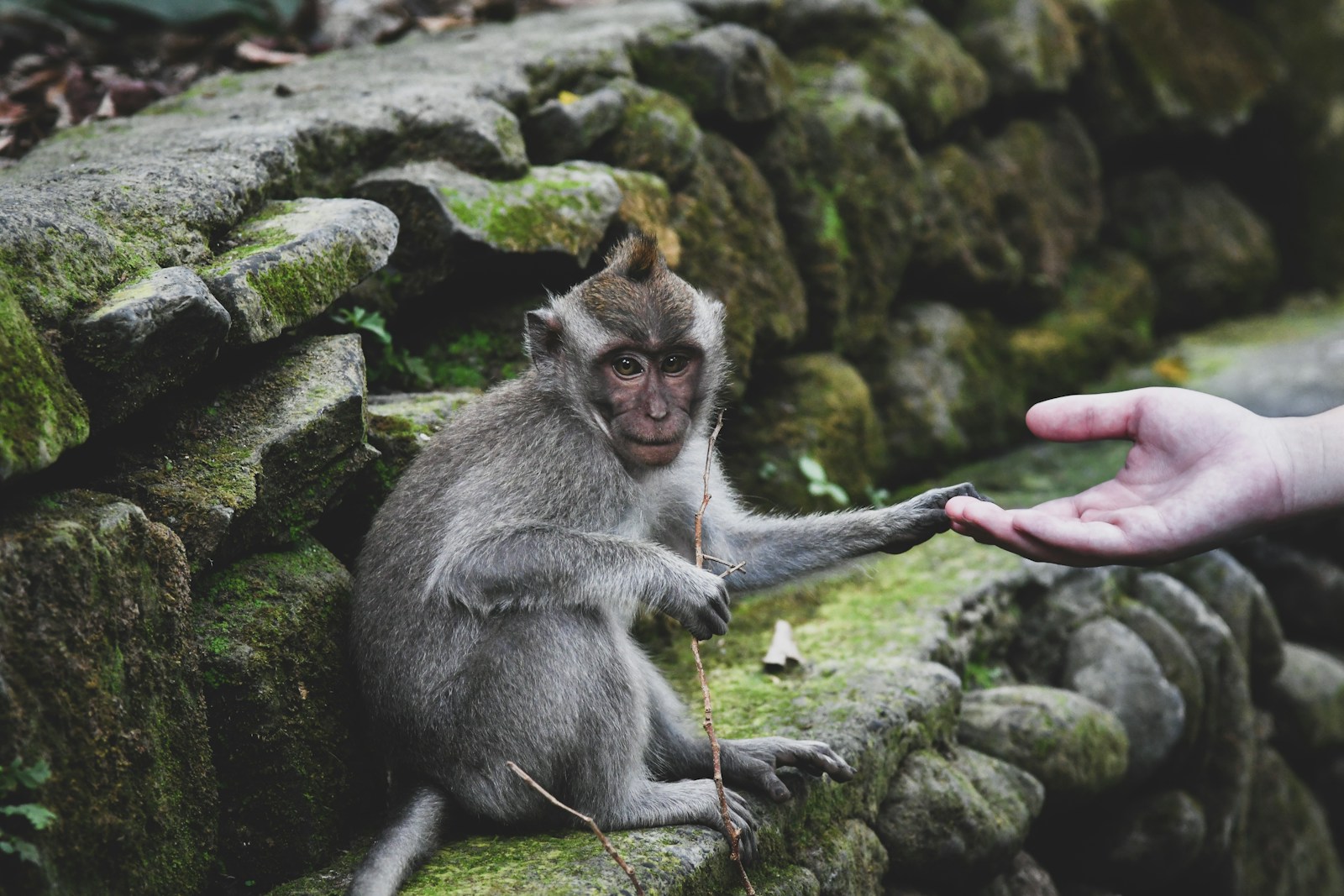
Before the babysitting incident, the woman was simply preparing to spend time with her cousin, who lives out of state. The cousin insisted on bringing her monkey along during visits, a choice that has raised eyebrows among family members and friends alike. Capuchins, known for their intelligence and unpredictability, often do not make good pets, and Izzy’s behavior has proven to be problematic.
During her two-hour babysitting stint, the young woman found Izzy confined in a crate that was only large enough for a cat. Inside the crate, the monkey had minimal comfort items: a blanket, one toy, snacks, and a baby bottle of water. She refused to engage with the babysitter and wouldn’t eat or drink. Instead, Izzy rocked back and forth in distress, painting a grim picture of her mental state.
This behavior is troubling, particularly given that capuchins can become aggressive as they mature. In fact, the young woman has already suffered a bite from Izzy, leaving a scar that serves as a reminder of the monkey’s challenging temperament. In addition to her aggressive tendencies, Izzy has been known to steal small items, like gum and AirPods, from unsuspecting people. Such actions may seem trivial, but they highlight the lack of training and socialization that often accompanies keeping such intelligent animals as pets.
The situation is made worse by the legal context surrounding the ownership of capuchins. The young woman’s state classifies capuchins as dangerous animals, making it illegal for her cousin to bring Izzy into the state. However, the cousin dismisses legal concerns, insisting that presenting vaccination papers and an emotional support animal (ESA) certificate suffices. This belief leads her to take Izzy to public places like hotels, restaurants, and even church, despite the obvious risks and legal ramifications.
After witnessing Izzy’s distress, the young babysitter feels strongly that this cannot be a fulfilling life for the monkey. She is considering reaching out to a sanctuary or animal control to discuss the possibility of rescuing Izzy from what she sees as an abusive situation. Such a decision weighs heavily on her mind, as she grapples with the responsibilities that come with animal welfare and the love her cousin has for Izzy.
One person told her, “You wouldn’t be wrong to call for help. It sounds like Izzy needs it.” Another reader said, “The state laws are there for a reason, and it’s concerning that your cousin is ignoring them.” The responses reflect a consensus that Izzy’s well-being should take priority over familial ties and emotional attachments. The young woman feels torn between protecting her cousin’s feelings and ensuring a better life for the monkey.
Compounding her frustration is the cousin’s denial of the seriousness of the situation. The cousin appears oblivious to the stress and suffering Izzy endures while being treated as an accessory rather than a living being with needs and emotions. This lack of awareness raises questions about responsible animal ownership and the ethical implications of keeping a monkey in such conditions.
The young woman now faces a decision that could not only change her cousin’s relationship with Izzy but also evoke strong familial conflict. Her love for animals and her ethical stance on their treatment is at odds with her desire to maintain family harmony. Whether to act on her concerns or stay silent continues to weigh on her mind.
As she wrestles with her thoughts, the young woman is not yet sure what course of action to take. She knows she needs to make a decision soon, but the implications of that choice linger in her mind, leaving her in a state of uncertainty.
More from Vinyl and Velvet:

Leave a Reply