

You probably still know every note of certain TV theme songs, even if you have not watched the shows in years. These ten forgotten favorites once echoed through living rooms, lodged in your brain, and then quietly slipped off playlists. Revisit them and you will hear how powerfully a few bars of music can define an era, a character, or even your own childhood routine.
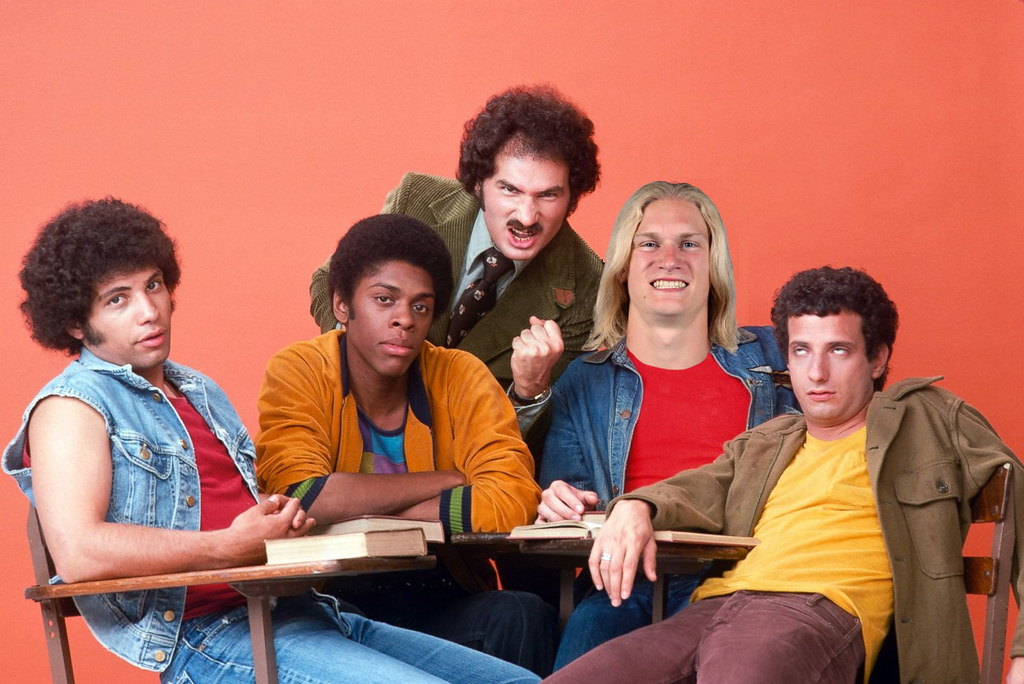
1) “Welcome Back, Kotter” Theme
“Welcome Back, Kotter” opens with the gentle folk tune “Welcome Back,” a song that ranked among the top TV themes of the 1970s for its warm, singable melody. In a survey of standout 70s openings, the track is singled out for how perfectly it captured classroom nostalgia and working class New York humor, placing it among the top 10 TV theme songs of that decade. You heard John Sebastian’s voice and instantly knew you were heading back to the Sweathogs.
Although the show helped make John Travolta and his classmates household names, the theme itself has slipped into the background of pop culture conversations. That fading profile matters because it shows how even a tune that once crossed over into mainstream music can vanish from current playlists. When you hum “Welcome back, your dreams were your ticket out,” you are tapping into a moment when TV themes doubled as radio-ready hits, a practice that has largely disappeared in the streaming era.
2) “The Jeffersons” Opening Song
“The Jeffersons” blasted onto the screen with “Movin’ On Up,” a gospel-soul celebration of upward mobility that you could not help but sing. Retrospectives on classic television music note that the show, an “All in the Family” spin-off, paired its long run with one of the most recognizable openings in history, and that combination keeps it lodged among TV themes everyone secretly still remembers. The credits rolled, Ja’Net DuBois belted the chorus, and you knew exactly what kind of aspirational comedy you were getting.
Yet for all its ubiquity, “Movin’ On Up” is rarely mentioned alongside newer prestige themes, even though lists of television music still highlight The Jeffersons as a benchmark. That gap between cultural memory and current conversation shows how quickly the industry moves on from even its most joyful sounds. When you catch yourself humming the line about “a deluxe apartment in the sky,” you are reconnecting with a theme that once defined Black success on network TV and still shapes how you hear sitcom optimism.
3) “Good Times” Theme
The “Good Times” theme wrapped hard reality in a gospel groove, warning about “temporary layoffs” and “easy credit rip-offs” while still insisting on resilience. In a roundup of 18 memorable TV theme songs, the track is cited for its unforgettable hook and its blunt honesty about working class life. You could sing along to every “Good Times” refrain, but the lyrics also told you exactly what the Evans family was up against before each episode even started.
Fans still quote lines like “Any time you’re out from under, not getting hassled, not getting hustled,” which surface in discussions of the best TV themes and in message board debates about shows that mixed comedy with social commentary. That staying power matters because it proves a theme can be both catchy and politically sharp. When you remember “Good Times,” you are remembering a moment when network television trusted music to carry the weight of economic anxiety and Black urban experience straight into prime time.
4) “Three’s Company” Jingle
The “Three’s Company” jingle invited you to “come and knock on our door” with a breezy, flirtatious melody that perfectly matched the show’s farcical roommate hijinks. Music historians place it among the 100 greatest TV theme songs, noting how its lilting rhythm and harmonies turned a simple invitation into an instant earworm. You only needed the first few piano notes to picture Jack Tripper stumbling into another misunderstanding.
Despite that recognition, the song rarely surfaces in modern playlists or nostalgia compilations, overshadowed by darker, more cinematic themes. Its relative obscurity today highlights how lighter, almost jingle-like openings have fallen out of fashion as shows chase prestige aesthetics. When you revisit “Three’s Company,” you hear a time when a theme did not just set the mood, it promised a half hour of uncomplicated fun, and that promise still resonates in an era of heavier serialized storytelling.
5) “What’s Happening!!” Tune
The theme to “What’s Happening!!” is a burst of 1970s funk, built on a rubbery bass line and bright horns that made you want to dance into the living room. In rankings of standout 70s openings, it appears alongside other heavy hitters as one of the top TV theme songs of that decade, praised for capturing youthful energy and neighborhood camaraderie. You could almost see Raj, Rerun, and Dwayne bouncing down the sidewalk as soon as the first notes hit.
Online discussions of the “funkiest TV theme songs” still name-check “What’s Happening” next to tracks from “Maude,” “Good Times,” and “Sanford and Son,” underscoring how deeply that groove burrowed into collective memory. Yet the tune is rarely replayed outside retro blocks, which shows how easily Black-led comedies from that era get sidelined in mainstream nostalgia. When you hum it now, you are not just remembering a show, you are remembering a sound that helped normalize funk and R&B as everyday family entertainment.
6) “Saved by the Bell” Intro
The “Saved by the Bell” intro is pure early 1990s, from its synth stabs to its hyperactive drums, racing through school-day chaos before the bell rings. In surveys of memorable 90s TV themes, it is singled out for how completely it defined teen sitcom energy, turning Bayside High into a place you could recognize by sound alone. The lyrics about missing the bus and getting in trouble felt like a cartoon version of your own morning routine.
Today, the song sounds almost aggressively retro, a snapshot of pre-digital youth culture where problems were solved by the end of homeroom. That dated quality is exactly why it belongs on a list of forgotten themes everyone knew, because it shows how quickly production styles age while melodies linger in your head. When you catch the chorus in a meme or clip, you are reminded that TV once treated theme songs as full mini-anthems rather than background textures.
7) “The Simpsons” Instrumental
“The Simpsons” opens with Danny Elfman’s swirling orchestral theme, a mostly instrumental piece that still invites you to sing along with nonsense syllables. A breakdown of lyric-free TV themes points to its instantly recognizable saxophone riff and choral bursts as proof that you do not need words to lodge a tune in people’s minds. From the first three notes, you know you are heading to Springfield, long before the couch gag appears.
Despite its ongoing presence on air, the theme’s sheer familiarity can make you overlook how radical it was for a prime time cartoon to get such a complex, cinematic score. Its success paved the way for other animated shows to treat their openings as serious compositions rather than throwaway jingles. When you whistle along, you are participating in a shared musical language that has quietly shaped how generations hear satire, family life, and even the sound of television itself.
8) “Hill Street Blues” Orchestral Theme
The “Hill Street Blues” theme, composed by Mike Post, opens with a gentle piano figure that slowly builds into a full orchestral swell, setting a somber mood for the police drama that follows. In comprehensive rankings of the greatest TV themes, it is highlighted as a moody, wordless piece that redefined what a cop show could sound like. Instead of blaring sirens, you got melancholy chords that hinted at the emotional toll of the job.
Although the series itself is often cited as a turning point for serialized storytelling, the music has slipped into relative obscurity, remembered mainly by those who watched first-run episodes. That fading recognition is significant because it shows how instrumental themes, even influential ones, can vanish faster than songs with lyrics. When you revisit the “Hill Street Blues” opening, you hear the blueprint for later prestige dramas that use music to signal complexity and moral ambiguity before a single line of dialogue.
9) “Diff’rent Strokes” Song
The “Diff’rent Strokes” theme distilled the show’s premise into a catchy moral: “It takes diff’rent strokes to move the world.” In retrospectives on 70s and 80s television music, it appears alongside other sitcom staples as one of the secretly remembered themes that people can still hum even if they have not seen an episode in decades. The jaunty melody and clear message about blended families made it easy for kids and adults to sing together.
Today, the show’s handling of race and class is often debated, but the theme song’s inclusive chorus continues to resonate in conversations about representation. Its relative absence from modern playlists shows how quickly culture moves past even well-intentioned messages once the surrounding show feels dated. When you recall that “different strokes for different folks” line, you are hearing an early attempt to package diversity and empathy into a prime time hook, long before such language became standard branding.
10) “Fresh Prince of Bel-Air” Rap
The “Fresh Prince of Bel-Air” theme is a full narrative rap, with Will Smith explaining how he went from “West Philadelphia, born and raised” to a mansion in Bel-Air. Lists of 90s TV themes still stuck in your head consistently spotlight this track for its storytelling detail and effortless rhyme scheme, which turned the opening credits into a mini origin story. You did not just watch the show, you performed the lyrics with friends, line for line.
That blend of hip-hop and sitcom storytelling also reflects broader shifts in music culture, where DJs and tastemakers helped move rap from clubs into mainstream homes. Profiles of figures like James Hamilton, described as an “eccentric aristo” who catalysed British club culture, show how gatekeepers helped normalize beats and rhymes across borders, and the Fresh Prince theme rode that wave into family viewing hours. When you rap along today, you are not only revisiting a beloved comedy, you are hearing how television quietly helped cement hip-hop as a global common language.

Leave a Reply