

Thrift stores reward shoppers who know exactly what to scoop up the moment they spot it. When you focus on a few high-value categories, you can build a wardrobe, kitchen, and home that feel curated instead of cluttered. Use this guide as a checklist of nine things you should always buy when thrifting so every trip has a clear, money-saving mission.
1) Designer Clothing and Accessories
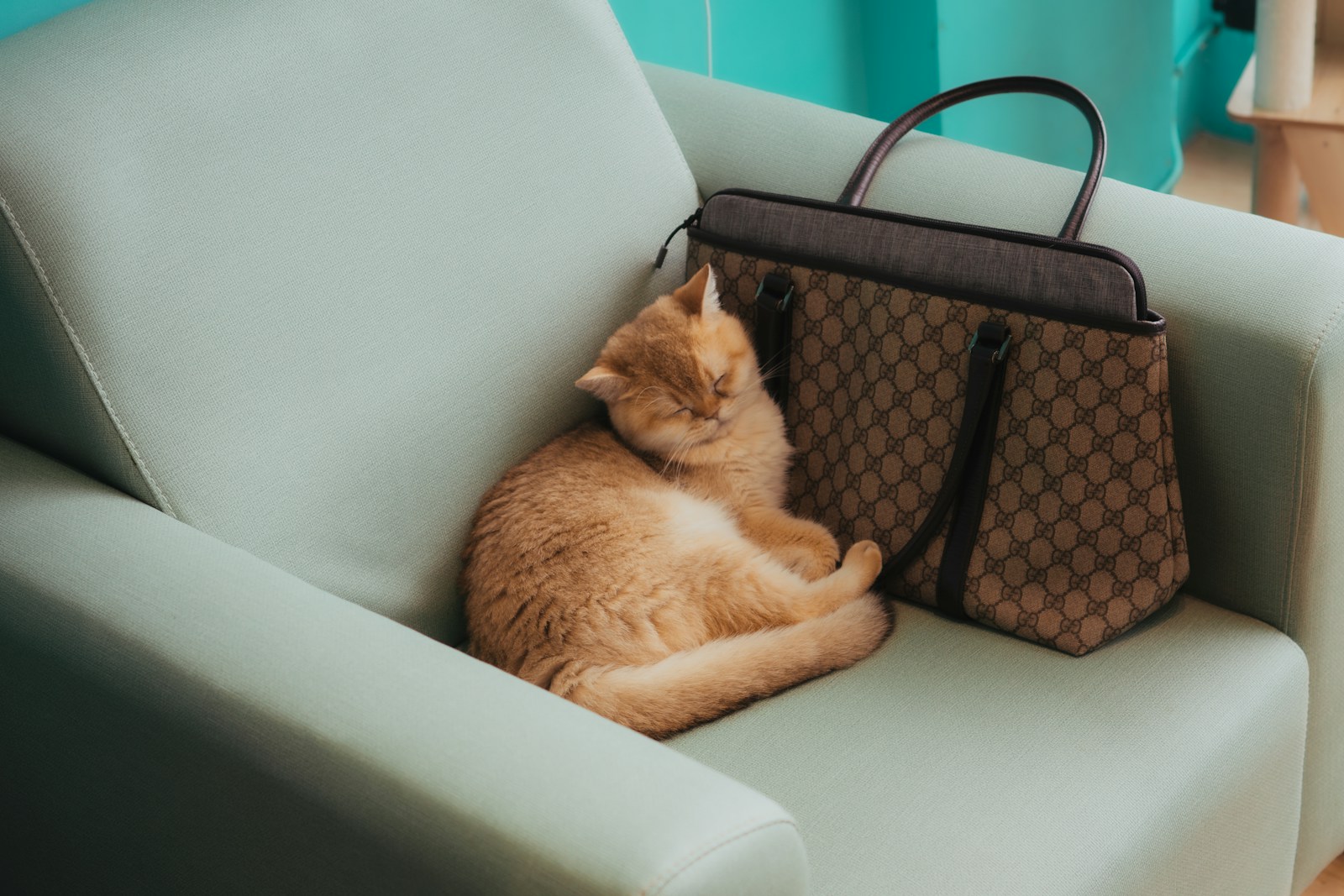
Designer clothing and accessories are some of the smartest things you can buy secondhand, because quality brands hold up to wear and keep their resale value. When you see labels from brands you should never pass up when thrifting, such as Levi’s or Patagonia, you are getting construction and fabrics that were built to last. That makes each find a sustainable fashion upgrade, not just a cheap impulse buy, and helps you avoid fast-fashion pieces that stretch or fade after a few washes.
To shop these sections well, follow the quiet etiquette frequent shoppers rely on, like using fitting rooms efficiently and handling garments gently so you do not damage delicate stitching. Advice from frequent shoppers also stresses staying organized with a list, which keeps you focused on wardrobe staples such as blazers, leather belts, and structured bags. That focus matters for your budget and for waste, because it steers you toward timeless pieces you will wear for years instead of trendy items that quickly end up back in the donation bin.
2) Vintage Kitchenware
Vintage kitchenware is another category you should always check, because older pots, pans, and dishes often outperform newer budget lines. To make smart choices, lean on expert-approved thrifting tips that recommend testing lids, handles, and nonstick surfaces before you buy. At the same time, you should avoid anything that falls into the category of things you probably shouldn’t buy secondhand, such as heavily worn blades or appliances with frayed cords, because safety and performance are nonnegotiable in the kitchen.
Minimalist guidance on things you’ll never find in a minimalist’s home also points you toward simple, durable sets instead of mismatched clutter. That means prioritizing a solid cast-iron skillet, a stack of white stoneware plates, or a single Dutch oven over piles of novelty mugs. The broader impact is that you build a streamlined cooking setup that encourages home cooking, reduces reliance on disposable cookware, and keeps your cabinets from overflowing with items you rarely touch.
3) Cozy Bedding and Linens
Cozy bedding and linens are often overlooked in thrift aisles, yet professional organizers consistently highlight them as smart, budget-friendly buys. In guides to things organizers buy at T.J. Maxx, sheets, towels, and blankets show up as reliable upgrades that refresh a home without a huge price tag. When you thrift, you can apply the same logic by scanning for high-thread-count cotton, neutral colors, and recognizable brands that feel soft to the touch rather than scratchy or worn.
To keep hygiene front and center, use thrifting tips to help you find a few hidden gems, such as looking for unopened packs, intact tags, or items still folded in original packaging. Once home, a hot wash cycle and thorough dry add another layer of reassurance. Choosing these pieces secondhand matters for both your wallet and the environment, since it diverts bulky textiles from landfills and lets you rotate seasonal bedding more often without overspending.
4) Unique Home Decor Pieces
Unique home decor pieces are where thrifting becomes genuinely creative, especially if you prefer a clean, minimalist look. Advice on a minimalist’s home emphasizes skipping duplicates and visual noise, so you should focus on one-of-a-kind vases, sculptural lamps, or a single standout mirror instead of carting home every cute trinket. That approach lets you personalize your space with character while still keeping surfaces clear and sightlines calm.
Seasoned shoppers also warn that lingering too long in every aisle can lead to decision fatigue and clutter, which is why lists of things you should never do in thrift stores include over-browsing and blocking aisles. Moving with purpose helps you scan shelves quickly for quality materials like solid wood frames or heavy glass rather than flimsy plastic. The result is a home that looks intentionally styled, not overstuffed, and a shopping habit that respects both store staff and fellow customers.
5) Books and Records
Books and records are classic thrift finds that can deliver huge value if you take a few extra seconds to inspect them. Lists of expert-approved thrifting tips recommend flipping through pages to check for water damage, missing dust jackets, or excessive highlighting before you commit. For vinyl, you should tilt each record under the light to spot deep scratches and confirm that the correct disc is in the sleeve, especially for box sets or special editions that may be worth significantly more than the sticker price.
Guidance on what not to buy used also reminds you to avoid items with mold, strong odors, or structural damage, which can spread allergens into your home. When you filter out those risks, you are left with shelves of affordable novels, cookbooks, and albums that expand your cultural world without the cost of buying new. Over time, a curated collection of secondhand media can become a personal archive that reflects your tastes and supports reuse instead of constant new production.
6) Children’s Toys and Games
Children’s toys and games are prime candidates for thrifting, because kids outgrow interests quickly and retail prices add up fast. When you shop, prioritize labels from brands you should never pass up, since established makers typically use sturdier materials and better construction. Solid wooden blocks, name-brand puzzles, and recognizable board games often survive multiple families, which stretches your budget while still giving kids engaging, well-designed play options.
Safety and cleanliness are crucial, so it helps to follow the cleaning and inspection routines that frequent shoppers recommend, such as checking for loose parts, missing pieces, or recalled items before you buy. Once home, a thorough wash with soap and water or a disinfecting wipe makes most hard toys ready for use. Choosing secondhand toys in this way reduces plastic waste, keeps playrooms from overflowing with cheap novelties, and teaches children that fun does not have to come from brand-new packaging.
7) Pantry Staples and Containers
Pantry staples and containers might not be the first thing you think of at a thrift store, but they can mimic the savings of a bulk warehouse run. A Food Editor who explains that “These Are the Items I Always Buy at Costco” highlights Oils, nuts, and other basics as smart bulk purchases, and you can echo that mindset by hunting for sealed jars, unused canisters, and unopened dry goods on thrift shelves. The key is to buy only items that are clearly new, with intact safety seals and unexpired dates.
Organizing experts who share Things You Should Always Buy at Maxx, According, Organizers, often single out glass containers and stackable bins as essentials for a tidy pantry. When you find similar pieces secondhand, you get the same streamlined storage at a fraction of the cost. That organization has real stakes for food waste and household spending, because clearly labeled jars and visible ingredients make it easier to cook at home and avoid buying duplicates.
8) Organizational Storage Solutions
Organizational storage solutions are some of the most practical items you can thrift, since bins, baskets, and racks rarely suffer from light cosmetic wear. Professional advice on things organizers buy at T.J. Maxx repeatedly points to these pieces as must-haves for decluttering closets, bathrooms, and entryways. When you spot sturdy wire shelves, woven baskets, or clear plastic drawers at a thrift store, you are essentially getting the same functionality that organizers rely on, but at secondhand prices.
To keep your home feeling calm rather than crowded, it helps to filter choices through the lens of a minimalist’s home, choosing neutral colors and versatile shapes that can move between rooms. That strategy prevents you from stockpiling more containers than you actually need, which would only shift clutter from one form to another. Thoughtful storage buys support bigger trends toward smaller homes, remote workspaces, and multipurpose rooms, where every bin or basket has to earn its footprint.
9) Jewelry and Small Luxuries
Jewelry and small luxuries, such as silk scarves or leather wallets, are where thrifting can feel most indulgent without straining your budget. Lists of expert-approved thrifting tips recommend inspecting clasps, stones, and stitching closely, since tiny flaws can signal either authentic age or poor quality. When you find pieces that are well made and in good condition, you can elevate everyday outfits or gift drawers with items that would cost far more new.
Brand awareness helps here too, so it is worth pairing your inspection with quiet brands scouting and the gentle handling encouraged by thrift store norms. Looking for hallmarks on metal, natural fibers in scarves, and smooth zippers on wallets keeps you focused on quality rather than quantity. Over time, these small, thoughtful purchases add polish to your style and demonstrate how secondhand shopping can feel luxurious while still aligning with a more sustainable, budget-conscious way of living.

Leave a Reply