

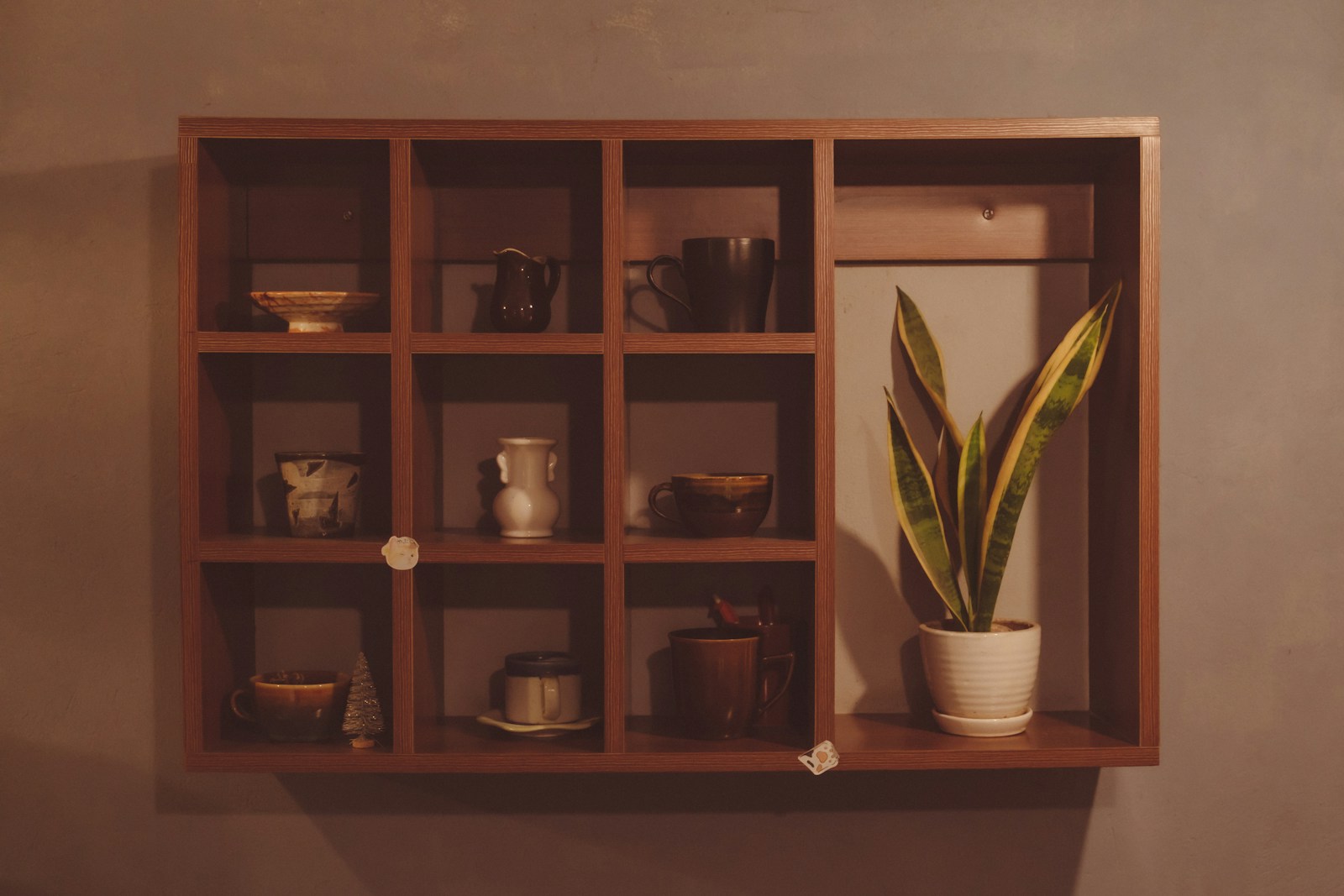
Decluttering is not just about clearing space, it is one of the fastest ways to stop your rooms from looking tired and dated. Designers repeatedly point out that visual noise, outdated pieces, and half-finished organizing projects can age a home more than worn finishes. By avoiding a few common decluttering mistakes, you can make your rooms feel fresher, lighter, and more current without a full renovation.
1) Ignoring Outdated Decor Items
Ignoring outdated decor items is one of the biggest reasons a home looks stuck in the past. Design pros highlight that certain pieces, from heavy scrollwork mirrors to busy patterned valances, instantly age a room, which is why curated lists of dated decor items focus on swapping them for cleaner silhouettes and simpler fabrics. When you declutter but leave these visual anchors in place, the overall effect still feels old, no matter how organized your shelves are.
To modernize without chasing every trend, edit out the most obviously dated elements first, such as ornate wall art, fussy centerpieces, or bulky media cabinets. Replace them with streamlined lamps, unframed canvas art, or a low-profile TV console that introduces negative space. This kind of targeted decluttering has outsized impact, signaling that your home is intentionally styled rather than accidentally frozen in an earlier decade.
2) Overloading Surfaces with Unnecessary Objects
Overloading surfaces with unnecessary objects creates instant visual clutter that reads as dated, even when the items themselves are not old. Styling guides that call out common decor mistakes repeatedly warn against mantels crammed with frames, coffee tables buried in trays, and kitchen counters lined with seldom-used gadgets. When every flat surface becomes storage, the eye has nowhere to rest, and the room feels smaller and more chaotic.
A better approach is to treat surfaces as curated displays, not catchalls. Limit coffee tables to one or two groupings, such as a stack of books and a single sculptural bowl, and keep nightstands to essentials like a lamp, a book, and a glass of water. In kitchens, store appliances you use less than daily, like waffle makers or blenders, in cabinets. This restraint makes your home feel more contemporary and signals that you are in control of your environment, not overwhelmed by it.
3) Retaining Mismatched Furniture Sets
Retaining mismatched furniture sets that were never meant to work together can quietly date a room. While mixing styles is encouraged, experts who catalog 40 decor elements that age a home note that certain combinations, like a bulky traditional sofa paired with flimsy metal side tables, make spaces feel pieced together over decades rather than thoughtfully layered. Old-school matching bedroom suites can have the opposite problem, reading as flat and predictable.
When you declutter, evaluate furniture as a whole composition instead of one piece at a time. If a single oversized recliner or dated entertainment center dominates the room, consider selling or donating it to free up space for a lighter, more cohesive layout. Swapping one or two key pieces, such as replacing a heavy coffee table with a glass or wood option on slim legs, can modernize the entire seating area and make your decluttering efforts more noticeable.
4) Allowing Bedroom Piles to Accumulate
Allowing bedroom piles to accumulate on chairs, dressers, and floors is a classic clutter habit that makes the space feel neglected and older than it is. Reporting on bedroom clutter triggers points to stacks of clothes, random mail, and half-unpacked bags as top offenders that instantly disrupt a calm, updated look. Even if your furniture and bedding are current, those piles signal that the room is a dumping ground rather than a retreat.
To break the cycle, give every category a clear home: a hamper for worn clothes, hooks for robes and bags, and a tray or drawer for jewelry and pocket items. Commit to a two-minute reset each night, returning stray items before bed. This small routine keeps surfaces visible, highlights your decor choices, and helps your bedroom feel more like a thoughtfully designed hotel room than a storage annex.
5) Neglecting Under-Bed Storage Chaos
Neglecting under-bed storage chaos is another mistake that quietly dates your bedroom. Organizing advice on bedroom design missteps notes that visible clutter, like bulging bins or exposed boxes peeking from under the frame, undermines even the most stylish headboard or bedding. When items spill out or make it hard to clean, the room feels cramped and less hygienic, which people often associate with older, poorly maintained homes.
Instead of treating the space under your bed as a catchall, use low-profile, lidded containers and limit what you store to off-season clothing or spare linens. Avoid stuffing random decor, old electronics, or paperwork there, since those categories are hard to track and easy to forget. A tidy, hidden storage system keeps dust down, simplifies cleaning, and supports a streamlined, contemporary bedroom silhouette.
6) Hoarding Excess Bedding and Linens
Hoarding excess bedding and linens, from stacks of mismatched sheets to piles of decorative pillows, can make your bedroom feel cluttered and outdated. Articles that outline what to clear out as your style evolves emphasize that overflowing linen closets and over-layered beds often reflect old habits rather than current needs. When quilts, shams, and throws are piled high, the bed looks heavy instead of inviting, and the room loses its modern, airy feel.
A more current approach is to streamline your inventory to a few coordinated sheet sets and a concise mix of pillows and blankets you actually use. Store off-season duvets in vacuum bags and donate worn or rarely used pieces. This edit not only frees up storage but also makes it easier to make the bed neatly, which instantly upgrades the room’s appearance and supports a fresher, hotel-like aesthetic.
7) Rushing the Decluttering Process
Rushing the decluttering process often leads to half-finished projects and rooms that still look dated. Organizing pros who explain how to declutter without stress recommend breaking work into manageable zones and setting realistic time blocks instead of trying to overhaul the entire house in a weekend. When you rush, you are more likely to shove items into closets, skip decision-making, and leave piles that migrate from room to room.
Taking a slower, methodical approach lets you evaluate what truly supports the updated look you want. Start with one visible area, such as the entry console or living room shelves, and fully finish it before moving on. This strategy builds momentum, reduces burnout, and ensures that each space you touch actually looks fresher and more intentional, rather than temporarily rearranged.
8) Failing to Sort by Category Systematically
Failing to sort by category systematically keeps clutter patterns in place and makes dated items harder to spot. Guidance on stress-free organizing stresses the value of tackling one type of item at a time, such as books, glassware, or throw blankets, so you can see duplicates and outdated pieces in context. When you declutter room by room without this structure, you often keep similar items scattered throughout the house, which dilutes the impact.
Sorting by category also helps you recognize style shifts. Lining up all your vases or lamps, for example, makes it obvious which ones have dated finishes or shapes. You can then keep a cohesive, modern subset and let go of the rest. This approach supports a more unified look across rooms, so your home feels updated as a whole rather than in isolated pockets.
9) Overlooking Emotional Attachments to Items
Overlooking emotional attachments to items can stall decluttering and leave dated decor in place indefinitely. Advice on design mistakes that age a home notes that people often hold on to pieces purely because they were gifts or have been around for years, even when they no longer fit the space. That sentimental clutter, from old figurines to inherited furniture, can dominate shelves and corners, preventing you from introducing fresher elements.
Acknowledging the memory while editing the object is key. You might photograph meaningful items, keep a small curated selection, or repurpose one heirloom in a more modern way, such as re-framing vintage art with a simple mat. By consciously deciding what stays, you free yourself to remove pieces that no longer serve your current life, allowing your home to reflect who you are now rather than who you were decades ago.
10) Skipping Regular Maintenance Routines
Skipping regular maintenance routines is the final mistake that lets clutter creep back and make your home look dated again. Video advice like Take home refresh tips underscores that small, consistent habits, not one-time purges, keep spaces feeling current. Without weekly resets, mail piles up, decor drifts out of place, and once-clear surfaces slowly resemble the “before” photos you worked so hard to change.
Building simple rhythms, such as a 10-minute nightly tidy or a weekly basket for returns and donations, preserves the cleaner lines and open surfaces you created. Over time, these routines make it easier to notice when something starts to feel dated and to swap it out promptly. The result is a home that evolves gracefully, staying decluttered and visually fresh instead of slipping back into a cluttered, time-warped state.

Leave a Reply