

Retro Christmas decorations are more than nostalgic eye candy, they can be serious collectibles that hold or even grow in value. If you love the look of tinsel, glass, and cardboard from decades past, focusing on the right pieces can turn your holiday stash into a small investment. These seven retro Christmas decorations are especially worth collecting for their rarity, craftsmanship, and proven appeal to Vintage Christmas buyers.
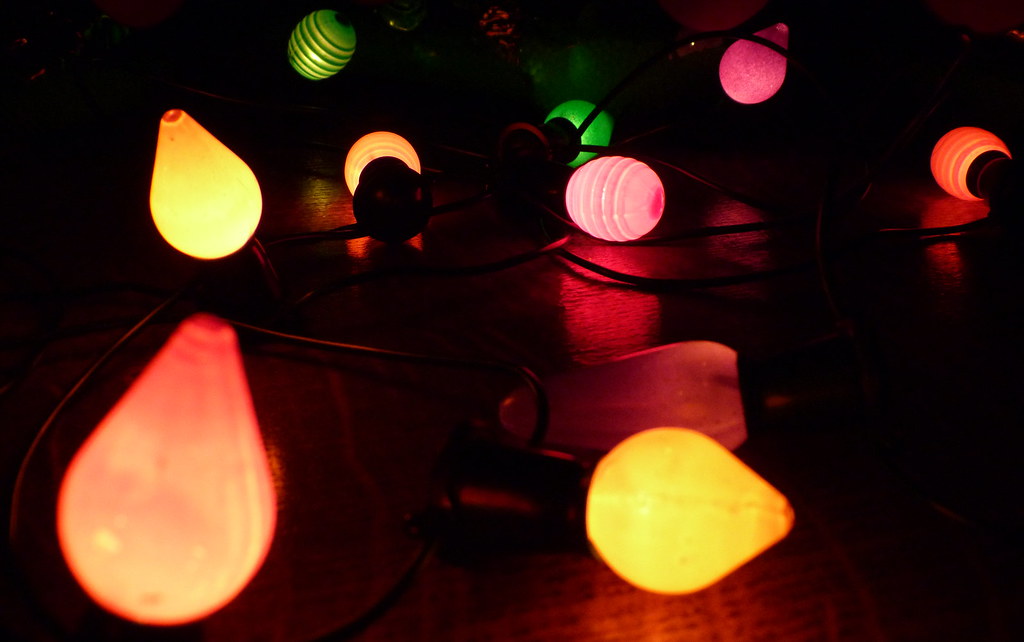
1) Vintage Bubble Lights
Vintage bubble lights from the 1940s are classic Retro Christmas décor, and complete working strings can sell for hundreds of dollars. Collectors prize the way the liquid-filled tubes start to fizz and bubble once the bulbs warm up, a kinetic effect that modern LED strands rarely replicate. Guides to valuable Christmas decorations point to early lighting as a category where scarcity and nostalgia combine to push prices higher, especially for original boxes and intact color schemes.
For you as a collector, condition is everything. Look for bubble lights with clear, unclouded liquid and bases that have not yellowed or cracked. Sets that still have their 1940s or 1950s packaging tend to command a premium because they document age and authenticity. As more families replace old wiring, surviving strands become rarer, which can keep demand strong among Vintage Christmas enthusiasts who want that warm, gently bubbling glow on their trees.
2) German Kugel Ornaments
German Kugel ornaments, often described as Kugel Blown Glass Ornaments, are among the most coveted antique tree decorations. These heavy, hand-blown spheres from the 19th century were made with thick glass and metallic finishes that create a deep, almost mirror-like shine. Collectors of top vintage Christmas items worth money consistently rank early German pieces near the top because their fragility and age mean relatively few survive in good condition.
When you evaluate a Kugel, pay attention to the weight, the patina of the metal cap, and subtle iridescence in the glass. Authentic examples often feature rich jewel tones like cobalt, ruby, and emerald, and they may show gentle oxidation that signals age rather than damage. Since these ornaments predate mass-market Christmas décor, they appeal to serious Vintage Christmas collectors who are willing to pay a premium for documented provenance and rare shapes such as grapes or pears.
3) Aluminum Christmas Trees
Aluminum Christmas trees from the 1950s and 1960s capture the Atomic Age version of holiday cheer, and complete sets can exceed $500. These mid-century trees typically feature shimmering silver branches, a simple pole construction, and a rotating color wheel that washes the metal in shifting hues. Price guides to valuable vintage Christmas decorations highlight artificial trees from this era as standout pieces because they represent a specific design moment when space-age style met seasonal décor.
If you are hunting for one, look for original branch sleeves, intact stands, and working color wheels, since missing parts can drag down value. Taller trees, often 6 feet or more, tend to be more desirable for display, especially in mid-century modern interiors. As collectors lean into period-correct decorating, these trees function as sculptural centerpieces, which keeps demand high and reinforces their status as Retro Christmas investments rather than disposable décor.
4) Dresden Ornaments
Dresden ornaments, sometimes cataloged as Dresden Paper and Foil Angels or animals, are intricate paper and foil creations that date to the late 19th and early 20th centuries. Their lace-like embossing and three-dimensional shapes were painstakingly crafted, which is why surviving examples are so scarce. References to Dresden Paper and Foil Angels consistently note that collectors will pay high prices for intact pieces with crisp details and minimal fading.
Because these ornaments are made from cardboard and thin foil, they are especially vulnerable to moisture, tearing, and storage damage. That fragility is exactly what makes them valuable to Vintage Christmas collectors today. When you find Dresden pieces with original strings or clips still attached, you are looking at a slice of early European Christmas history that rarely appears on the open market, which can make them a smart long-term hold in any serious collection.
5) Putz Village Houses
Putz village houses, often called Early Putz Houses in collecting guides, are miniature cardboard or ceramic buildings that formed the heart of many 1930s to 1950s mantel displays. These tiny homes, churches, and shops frequently feature mica “snow,” cellophane windows, and cutouts for small lights, turning them into glowing Christmas streetscapes. Lists of Putz Houses as valuable décor show that complete villages and rare architectural styles can bring strong prices.
Today, you can also see the influence of these originals in modern lines such as Vintage Christmas Village Houses by Discover Cody Foster, which lean into the same Nostalgic charm. For collectors, early examples with intact fences, bottle brush trees, and glittered roofs are the most desirable. As more people rediscover village displays, demand for authentic mid-century sets continues to grow, turning these tiny houses into surprisingly profitable investments.
6) Vintage Hallmark Ornaments
Vintage Hallmark ornaments, especially Hallmark Keepsake designs from the 1970s and 1980s, have evolved into a major collecting category. Some early series, such as dated annual releases or limited-edition characters, now sell for many times their original retail price. Lists of tiny collectibles that could be worth big money highlight how small, affordable pieces can grow in value when they tap into strong Christmas nostalgia and consistent yearly themes.
For you, the key is to focus on complete runs of popular series and ornaments that came with special packaging or companion pieces. Because many families bought these as keepsakes, they often carry emotional weight, which can translate into higher resale prices when someone wants to replace a lost ornament. As Retro Christmas trends continue, Hallmark Keepsake lines show how mass-market items can quietly become serious collectibles if you store them carefully and track which designs collectors are chasing.
7) Cardboard Santa Cutouts
Cardboard Santa cutouts, sometimes labeled Vintage Cardboard Santa Figures in collector references, are large printed displays that once filled store windows and living rooms from the 1940s through the 1960s. These life-size or tabletop Santas were typically printed on thick board with vivid reds and greens, then discarded after a few seasons. Guides to what vintage Christmas decorations are worth money note that cardboard and paper pieces can fetch surprising prices precisely because so few survived.
When you find a Cardboard Santa with bright color, minimal creasing, and intact stands, you are looking at a piece of commercial art that speaks directly to mid-century Christmas advertising. Collectors who focus on Vintage Christmas graphics value these for their bold typography and classic Santa imagery. As Retro Christmas aesthetics gain traction in design and social media, standout examples of these cutouts are likely to remain in demand, rewarding careful storage and thoughtful display.

Leave a Reply