

Your coat closet probably hides more value than you realize. Recent reporting on cluttered coat closets points out that when you remove seven low-value items, the essentials that remain suddenly look far more useful and intentional. By focusing on what truly earns its space, you can uncover at least 15 valuable things already sitting behind that door, ready to work harder for your comfort, style, and peace of mind.
1) Timeless Wool Coat
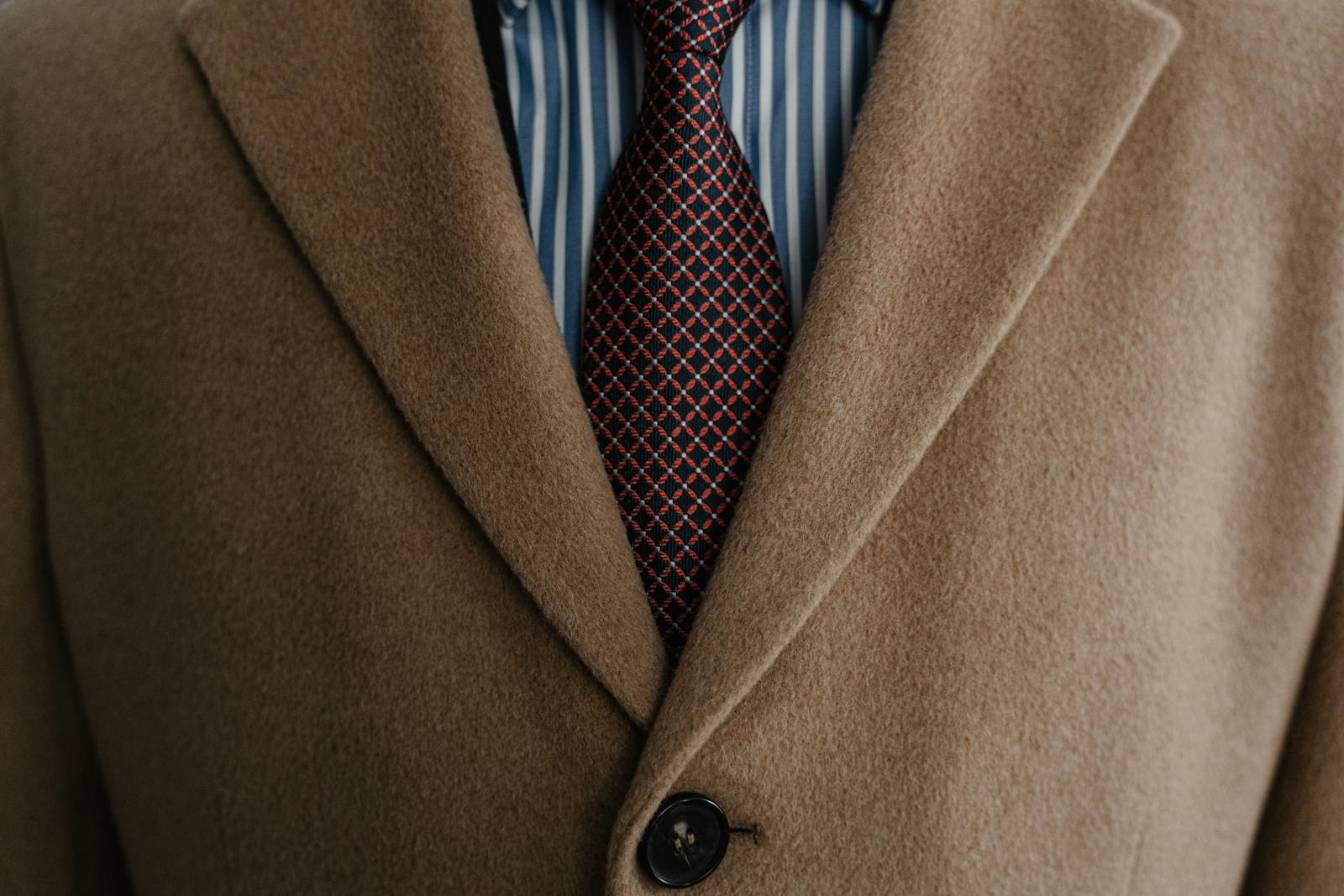
A timeless wool coat is one of the clearest examples of real value hiding in your closet. Reporting on coat closet cleanouts stresses that when you clear out seven specific low-value items, such as worn-out outerwear and forgotten freebies, the quality pieces that remain become easier to see and use. A well-cut wool coat keeps you warm, dresses up everything from jeans to office wear, and often lasts for years when properly brushed and stored on a sturdy hanger.
That durability matters because the same guidance that urges you to toss flimsy or dated layers highlights how a single reliable coat can replace several mediocre ones. By removing items that “lack value and should be removed,” you make space for this workhorse piece to hang without crowding or creasing. The result is a closet that supports your daily routine, reduces last-minute outfit stress, and protects an investment that can carry you through multiple seasons and style shifts.
2) Matching Leather Gloves
Matching leather gloves quietly earn their keep every cold season. When organizers recommend purging seven low-value items from a coat closet, mismatched or single gloves are often at the top of the list, because they take up space without providing real warmth or polish. In contrast, a complete pair in good condition offers both insulation and a refined finish to your outerwear, especially when you commute, drive frequently, or attend outdoor events.
Keeping one or two high-quality pairs, instead of a jumble of random knits, also makes your mornings faster. You know exactly where your gloves are, and you can trust them to look appropriate with a wool coat or tailored jacket. That clarity reflects a broader trend in closet advice, which favors a smaller number of functional, intact accessories over drawers full of “just in case” pieces that never leave the house. Your matching leather gloves deserve space because they actually get used.
3) Durable Umbrella
A durable umbrella is another undervalued essential that proves its worth the moment the forecast turns. Reporting on what to remove from a coat closet singles out broken or bent umbrellas as classic clutter, since they cannot keep you dry and only block access to better gear. By contrast, a single sturdy model with a solid frame and intact canopy can spare you from last-minute dashes through the rain and emergency purchases at convenience stores.
When you declutter around it, that reliable umbrella becomes easy to grab on your way out the door. The same guidance that urges you to toss nonfunctional items is effectively telling you to protect the tools that still work. In practical terms, that means checking your umbrella for snapped ribs or stuck mechanisms, discarding the failures, and giving the good one a dedicated spot. The payoff is fewer ruined shoes, less frizz, and a closet that supports your daily life instead of sabotaging it.
4) Quality Scarf Collection
A quality scarf collection can quietly anchor your cold-weather wardrobe. Advice on coat closet cleanouts often points to stretched-out, pilled, or scratchy scarves as prime candidates for removal, because they add bulk without real comfort or style. When you edit those out, the remaining pieces, such as cashmere, merino, or tightly woven wool, suddenly stand out as versatile tools that can change the mood of an outfit in seconds.
These better scarves do more than keep your neck warm. They can introduce color near your face, soften a structured coat, or even double as light wraps on travel days. By limiting your closet to scarves that are intact, soft, and genuinely flattering, you align with the same principle that underpins the recommendation to toss seven low-value items: clear away the noise so the useful pieces can shine. That shift benefits your comfort, your style, and the overall order of your entryway.
5) Sturdy Boot Set
A sturdy boot set, whether that means weatherproof winter boots, polished leather ankle styles, or both, represents real value in a coat closet. Decluttering guidance frequently calls out damaged or uncomfortable shoes as items that “lack value and should be removed,” because they are unlikely to be worn again. When you weed out pairs with cracked soles, broken zippers, or painful fits, the boots that remain are the ones you actually trust in bad weather or long days on your feet.
Those dependable pairs can also carry resale or consignment potential if they are from recognizable brands and kept in good condition. Protecting them with occasional cleaning, proper drying, and, when possible, original boxes or boot shapers extends their life and preserves that value. In a closet where the dead weight is gone, your sturdy boots become easy to reach, easier to maintain, and far more likely to be worn instead of forgotten behind a pile of worn-out footwear.
6) Elegant Hat Box
An elegant hat box signals that you are protecting something worth keeping. Reporting on coat closet clutter often recommends letting go of outdated or crushed hats that no longer fit your style, because they occupy shelf space without delivering function. A dedicated hat box, however, helps preserve the shape and fabric of the hats you do wear, whether that is a structured fedora, a felt wide brim, or a cherished vintage piece.
By storing hats in a box instead of stacking them loosely on a shelf, you reduce dust, sun fading, and accidental damage from other items being tossed on top. That approach aligns with the broader message behind removing seven low-value items: once the clutter is gone, you can invest a little more care in the pieces that remain. The hat box itself becomes part of that system, turning your closet from a catchall into a space that actively protects your wardrobe.
7) Versatile Tote Bag
A versatile tote bag earns its place in your closet by doing real work, from commuting to weekend errands. Decluttering advice often singles out unused or impractical bags as clutter, but a well-designed tote with strong straps and interior pockets can replace several smaller, less functional options. One standout example is a tote that doubles as a hat carrier, where outer straps hold a wide brim securely in place, described as “Great for trips or brunch or even take it to work” on the product page for a dedicated tote bag hat holder.
That kind of multiuse design illustrates why one strong tote can be more valuable than a pile of random canvas bags. It supports travel, protects accessories, and keeps daily essentials in one place. When you clear out the low-value bags that never leave the hook, the tote you actually rely on becomes easier to grab and less likely to be damaged. The broader trend is clear: fewer, better bags translate into a more efficient, less chaotic coat closet.
8) Designer Handbag
A designer handbag, stored safely in your coat closet, often carries both monetary and sentimental value. While reporting on closet organization encourages you to remove seven categories of low-value items, such as worn accessories and forgotten promotional totes, it also implicitly highlights the importance of keeping pieces that still function and hold meaning. A well-made leather bag from a respected label can last for years, sometimes decades, if you protect it from moisture, dust, and crushing.
Beyond daily use, certain designer handbags can retain or even increase in resale value when kept in good condition with original dust bags and hardware intact. That potential makes it worth giving them a dedicated shelf or hook instead of burying them under scarves and random gear. By editing out the clutter around them, you not only safeguard your investment but also make it easier to rotate bags according to season or occasion, maximizing both their utility and their long-term worth.
9) Vintage Belt Assortment
A vintage belt assortment can quietly transform the outfits hanging in your closet. Decluttering guidance that urges you to toss stretched-out or cracked belts is really making room for the ones that still fit, flatter, and function. Adjustable leather or fabric belts with solid buckles can define your waist over a coat, cinch a sweater dress, or refresh a simple jeans-and-shirt combination without requiring new clothes.
When you curate a small collection of belts that genuinely work with your current wardrobe, you unlock more combinations from the pieces you already own. That approach mirrors the broader principle behind removing seven low-value items from a coat closet: by eliminating what no longer serves you, the remaining items gain flexibility and impact. Properly hung on a belt rack or hook, your vintage assortment becomes a visible styling toolkit instead of a tangled mess at the back of a shelf.
10) Silk Tie Set
A silk tie set, even if you do not wear one daily, can be a surprisingly valuable asset in your closet. Organization advice that recommends discarding stained, frayed, or outdated ties is effectively telling you to protect the ones that still look sharp and feel current. A small rotation of well-chosen silk ties can carry you through job interviews, weddings, formal dinners, and important presentations without last-minute shopping.
Keeping them rolled or hung properly prevents creases and preserves the fabric’s sheen, which is crucial for maintaining a professional appearance. In a closet where seven categories of low-value items have been removed, your remaining ties are easier to see and coordinate with shirts and suits. That visibility reduces decision fatigue and ensures that when a formal event appears on your calendar, you already have polished options ready, reinforcing the long-term value of a carefully edited tie collection.
11) Heirloom Jewelry Box
An heirloom jewelry box tucked into your coat closet can hold some of the most valuable items in your home. While reporting on coat closet clutter focuses on removing things that lack value, such as broken accessories or outdated costume pieces, it also underscores the importance of keeping essentials that still serve a purpose. A sturdy jewelry box that protects rings, watches, and necklaces from dust and tangling directly supports that goal.
Storing heirloom pieces in a dedicated box, rather than loose in pockets or bowls, reduces the risk of loss or damage when you reach for coats and scarves. It also makes it easier to track what you own, which matters for both sentimental reasons and practical concerns like insurance documentation. In a decluttered closet, the jewelry box becomes a clearly defined, secure home for items that may carry family history as well as financial value.
12) Seasonal Shoe Polish Kit
A seasonal shoe polish kit is a small item that can dramatically extend the life of your footwear. Guidance on coat closet organization often encourages you to discard shoes that are too damaged to repair, but it also implies that maintaining the pairs you keep is essential. A simple kit with polish, brushes, and cloths lets you refresh leather boots and dress shoes at home, preventing minor scuffs from turning into permanent damage.
Keeping that kit in your coat closet, near the shoes you actually wear, increases the odds that you will use it regularly. This habit supports the broader recommendation to focus on usable items, since well-maintained shoes remain comfortable and presentable for longer. Over time, that maintenance can save you money on replacements and reduce waste, while also ensuring that your footwear looks appropriate for work, events, and everyday errands.
13) Organized Hanger Set
An organized hanger set might not seem glamorous, but it is one of the most valuable structural elements in your coat closet. Reporting that identifies seven low-value items to remove often includes flimsy or broken hangers, because they distort clothing and contribute to visual chaos. Replacing them with a consistent set of sturdy hangers immediately improves how your coats, jackets, and blazers hang, which in turn preserves their shape and fabric.
Uniform hangers also make it easier to see what you own at a glance, reducing the temptation to overbuy or forget about pieces hidden behind bulkier items. That clarity aligns with the broader goal of highlighting the worth of retained essentials once clutter is gone. By investing in a cohesive hanger system and discarding the rest, you turn your closet rod into an efficient display of your best outerwear instead of a jumble of plastic and wire.
14) Fabric Storage Bins
Fabric storage bins bring order and protection to the smaller items in your coat closet. Organization advice that urges you to toss seven categories of low-value clutter, such as random accessories and unused gear, also points toward better containment for what remains. Soft-sided bins are ideal for corralling hats, gloves, scarves, and seasonal items, shielding them from dust while keeping them easy to access.
Because these bins are lightweight and often collapsible, they can be rearranged as your needs change, from winter gear in one season to travel accessories in another. Labeling them further reduces the time you spend hunting for specific items. In a closet where the excess has been removed, fabric bins help maintain that hard-won order, ensuring that valuable pieces do not get lost in the shuffle or damaged by being crammed into corners.
15) Sentimental Photo Album
A sentimental photo album stored in your coat closet may not be worn like a coat or boots, but it carries a different kind of value. While decluttering guidance focuses on removing items that lack function, it also leaves room for meaningful keepsakes that genuinely matter to you. Many people use hallway or coat closets to tuck away albums that do not fit on living room shelves, especially when they want them accessible but protected from daily wear.
To keep those memories safe, it helps to store albums upright, away from damp floors and heavy objects that could warp the covers. If your closet also holds hats, a clever solution for keeping them off the floor is a dedicated holder promoted to people “sick of those hats sitting on your dresser or on the floor of the closet,” as seen in a viral closet organization clip. Pairing that kind of vertical storage with a carefully placed photo album lets you protect both your accessories and your history in the same streamlined space.

Leave a Reply