

Retro appliances are no longer just background props in old family photos, they are now serious collectibles that can command four- and even five-figure prices. From pastel mixers to flamingo pink refrigerators, the right piece can turn your kitchen or living room into a time capsule and a small investment portfolio at once. If you are hunting for vintage gear with real collector demand, these 12 appliances are at the top of the wish list.
1) Vintage KitchenAid Stand Mixers
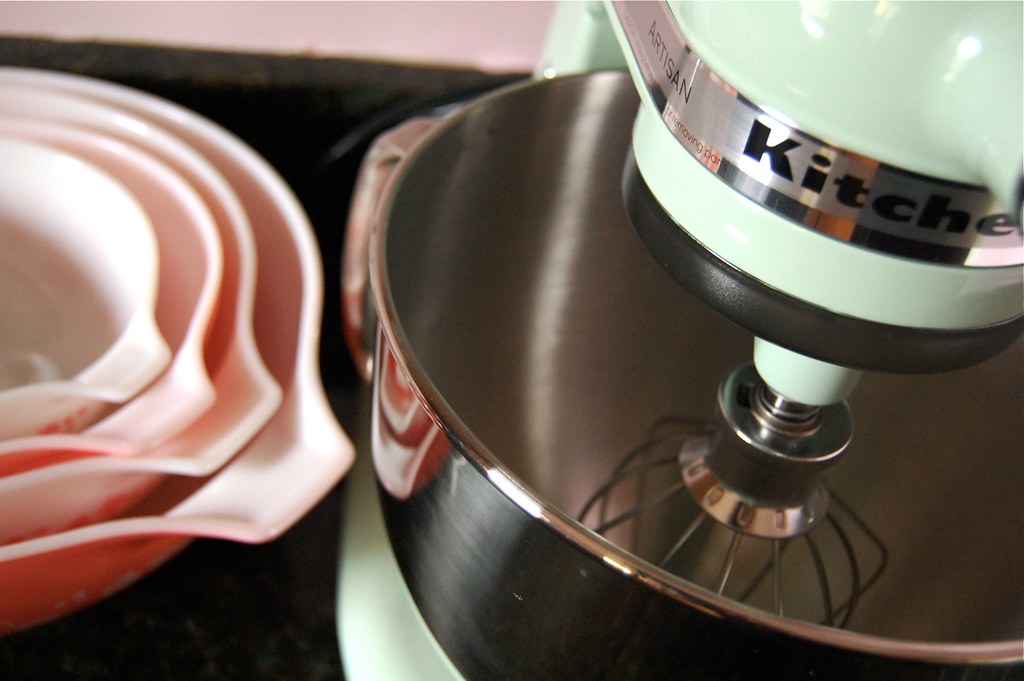
Vintage KitchenAid stand mixers from the 1930s, especially the Model H-5, are at the center of today’s retro appliance boom. Collectors prize these early machines for their all-metal construction and industrial heft, and well-preserved examples are now fetching up to $2,000 at auctions. The Model H-5 was marketed as the first home stand mixer with planetary action and originally sold for $189.50, a price that contemporary marketing compared to $600 and even to one third the cost of a new Ford Model T, according to vintage mixer historians.
That early positioning as serious household machinery helps explain why collectors chase these mixers today. The heavy-duty gear trains, enamel finishes, and sculpted housings stand apart from modern plastic designs, and parts can often be rebuilt rather than discarded. For you as a buyer, the stakes are clear, original paint, intact badges, and working motors can mean the difference between a decorative curiosity and a four-figure showpiece that anchors a retro kitchen display.
2) 1950s Sunbeam Mixmaster
The 1950s Sunbeam Mixmaster is another mixer that collectors are actively hunting, especially in pastel shades that scream midcentury optimism. Models in colors like turquoise, mint, and soft yellow are standout favorites, and a 1952 example in excellent condition has sold for $1,500 on eBay, a benchmark that signals how far demand has climbed. Period advertising and surviving examples highlighted chrome trim, streamlined bases, and a full suite of bowls and attachments that still appeal to home bakers who want function as well as style.
For collectors, the Mixmaster’s appeal sits at the intersection of nostalgia and practicality. You can still use many of these machines for everyday baking, yet they double as sculptural decor on a countertop. That dual role raises the stakes for condition, since chips in the pastel enamel or missing beaters can sharply reduce value. When you see a complete set with matching bowls and original cord, you are looking at a piece that can compete with far newer appliances in both performance and price.
3) 1960s Hamilton Beach Toaster
The 1960s Hamilton Beach toaster with chrome accents and a pop-up mechanism has become a surprise star of the retro appliance market. Collectors hunt this model for its Art Deco influenced design, even though it arrived decades after the style’s peak, and clean examples are valued at $800 or more. Earlier Hamilton Beach countertop gear, including mixers and blenders, helped cement the brand’s reputation, and period overviews of vintage table mixers show how the company leaned into sculpted metal and bold controls that carried over into its toasters.
Those design cues matter today because they let you integrate a functional toaster into a carefully curated midcentury kitchen. The polished chrome sides, geometric levers, and glowing indicator lights read as intentional design rather than dated hardware. That is why collectors will pay a premium for working heating elements and original cords, the toaster becomes both a daily tool and a focal point that signals your commitment to authentic period details.
4) Westinghouse Electric Percolators
Westinghouse electric percolators from the 1940s are another category where modest kitchen tools have turned into serious collectibles. These percolators are known for their glass knobs, stainless steel bodies, and sturdy handles, details that give them a distinctive silhouette on a shelf or breakfast bar. Well-kept examples now command between $300 and $500, a range that reflects both their scarcity in clean condition and the renewed interest in traditional coffee rituals that predate automatic drip machines.
For you as a buyer, the key is to look for intact glass knobs and unpitted stainless steel, since replacements can be hard to source without compromising authenticity. Many collectors also value working thermostats and original cords, which make it possible to brew with the percolator rather than treating it purely as decor. That usability, combined with the Westinghouse nameplate, helps explain why prices have climbed and why these pots often anchor vintage coffee corners alongside period cups and sugar bowls.
5) 1957 Frigidaire Refrigerator
The 1957 Frigidaire refrigerator in flamingo pink has become an icon of mid-century design, and collectors are willing to pay accordingly. This model’s push-button doors, rounded corners, and glossy pastel finish capture the era’s fascination with futuristic convenience and bold color. Restored units in this exact shade are selling for about $4,000, a figure that reflects both the cost of mechanical refurbishment and the premium that decorators place on original steel cabinets rather than modern reproductions.
Owning one of these refrigerators is about more than cold storage, it is about anchoring an entire retro kitchen around a single statement piece. Because of their size and weight, the stakes are higher for buyers, you need to factor in transport, electrical compatibility, and the reliability of vintage compressors. Yet for collectors and designers, the payoff is significant, a working 1957 Frigidaire in flamingo pink can instantly transform a space and often becomes the most photographed object in the room.
6) General Electric Radios
General Electric radios from the 1930s, especially those with Bakelite cases and cathedral styling, are among the most sought-after vintage electronics. These tabletop sets feature arched tops, intricate grille cutouts, and warm-toned dials that glow when powered, details that make them as visually compelling as any piece of furniture. At estate sales, well-preserved examples average around $1,200, a price that reflects both their age and the enduring appeal of early broadcast-era design.
For collectors, the combination of Bakelite and cathedral styling is crucial, since cracks or warping in the case can be difficult to repair invisibly. Many buyers also look for original knobs, dial glass, and internal components, even if they plan to recap or rewire the chassis for safety. When you secure a largely untouched radio with strong provenance, you are not just buying an object, you are preserving a slice of 1930s living room culture that still resonates with audio enthusiasts and design fans.
7) RCA Victor Phonographs
RCA Victor phonographs from the 1920s, particularly those with external horn speakers, sit near the top of the retro appliance hierarchy. These machines are rare finds, and their combination of mechanical engineering and sculptural presence has pushed values to $5,000 and beyond. A listing for The Antique Victor Talking Machine Phonograph in original oak with a horn illustrates how collectors value untouched finishes and complete mechanisms.
These phonographs matter because they represent a turning point in home entertainment, when recorded sound first became a centerpiece of domestic life. For you as a collector, the stakes are high, missing horn parts, replaced tonearms, or refinished cabinets can dramatically affect value. When you find a largely original RCA Victor with a smooth-running spring motor and intact decals, you are looking at a museum-grade object that can anchor an entire collection of early audio technology.
8) 1950s Hotpoint Iron
The 1950s Hotpoint iron is a smaller appliance that still commands serious attention from retro collectors. These irons introduced steam functionality to many households and came in colorful enamel finishes that brightened otherwise utilitarian laundry rooms. Today, a clean example with intact enamel and a working steam system typically goes for around $250, a strong price for a handheld tool that once hid in a cabinet between uses.
Collectors value these irons because they capture a moment when domestic technology was marketed as stylish rather than purely functional. For you, the key details are the condition of the enamel, the clarity of any logos or badges, and the integrity of the cord and soleplate. When those elements line up, the iron becomes a compact design object that can sit on a shelf or ironing board as a vivid reminder of midcentury attitudes toward housework and modernity.
9) 1940s Silex Coffee Maker
The 1940s Silex coffee maker, built around a vacuum brewing system, has become a favorite among collectors who care as much about process as flavor. These brewers use heat and pressure to move water between glass chambers, creating a theatrical brewing cycle that looks as good as it tastes. Collectors now price complete Silex sets between $400 and $600, especially when both glass globes, the stand, and the filter assembly survive without cracks or chips.
For you as a buyer, the stakes are higher than with a typical drip machine, since replacement glass can be difficult to match and affects authenticity. Many collectors prefer examples with original branding on the stand and intact bakelite handles, which help tie the piece to its 1940s origins. When you find a Silex that can still brew safely, you gain both a conversation piece and a functional link to an earlier era of coffee culture that predates modern pour-over trends.
10) Zenith Transistor Radios
Zenith transistor radios from 1954, recognized as the first portable model from the brand, are another hot target in the retro electronics space. These pocketable sets marked a shift from bulky tube radios to truly mobile listening, and collectors now pay up to $3,000 for examples in working condition. The combination of early transistor technology, compact cases, and period typography on the dials makes them stand out in any display of midcentury gadgets.
For collectors, functionality is especially important, since a working radio demonstrates the durability of early solid-state engineering. You should look for clean battery compartments, intact leather or plastic cases, and original knobs, all of which influence value. As portable audio continues to evolve through smartphones and streaming, owning a 1954 Zenith transistor radio lets you trace that lineage back to one of its earliest and most influential milestones.
11) 1950s O’Keefe & Merritt Gas Stoves
1950s O’Keefe & Merritt gas stoves in harvest gold are among the most coveted large appliances in the retro kitchen world. These ranges combine robust burners with porcelain details, chrome trim, and often built-in timers or griddles, turning a basic cooking tool into a centerpiece. Collectors report examples selling for around $2,500, particularly when the porcelain surfaces are free of chips and the original hardware remains intact.
For you, the appeal lies in both performance and presence, many of these stoves can still be safely connected and used after professional inspection, giving you a period-correct cooking experience. The stakes are significant, though, because moving and restoring a 1950s range requires planning and budget. When you commit to an O’Keefe & Merritt in harvest gold, you are effectively designing your kitchen around it, betting that its visual impact and historical value will justify the investment.
12) 1930s Hoover Vacuum Cleaner
The 1930s Hoover vacuum cleaner with an upright design and cloth bag is an appliance that has transcended its utilitarian roots to become an icon. Collectors seek out these early uprights for their streamlined metal bodies, bold logos, and fabric dust bags that often carry period typography. Well-preserved examples are valued up to $1,000, especially when the motor runs smoothly and the original cord, handle grips, and attachments are present.
For collectors and decorators, these Hoovers offer a tangible link to the early days of powered cleaning, when owning such a machine signaled modernity and status. If you are considering one, pay close attention to the condition of the cloth bag and the finish on the metal housing, since heavy wear can be difficult to reverse without losing originality. A strong example can stand in a hallway or laundry room as both a sculptural object and a reminder of how domestic technology reshaped everyday life.

Leave a Reply