

Vintage furniture is no longer a niche obsession, it is a fast-moving market where certain styles are rising in value every month. As you hunt for the secondhand home of your dreams, understanding which eras are appreciating the fastest helps you buy smarter, decorate better and potentially resell at a profit. Use this guide as a checklist the next time you scroll listings or walk into a flea market.
1) Mid-Century Modern
Mid-Century Modern is the clearest example of a style climbing in value month after month, driven by clean lines, organic forms and practical proportions that fit smaller contemporary homes. Retailers tracking antiques that are increasing in value consistently highlight mid-century modern furniture alongside art deco pieces and vintage rugs as top performers. That external validation matters when you are deciding whether a teak sideboard or low-slung sofa is worth the asking price.
On the ground, collectors and casual buyers alike are pushing prices up. In online communities such as Crash the Mid century market, people openly acknowledge how appreciating the value of good design has made it harder to score bargains. For you, the implication is simple: authentic pieces with original finishes, especially from recognizable makers, are likely to keep appreciating as long as demand outpaces supply.
2) Art Deco
Art Deco furniture, with its geometric motifs, stepped silhouettes and glamorous veneers, is another category where resale prices are steadily climbing. Market guides that list vintage furniture styles that just skyrocketed in value repeatedly single out Art Deco vanities, cocktail cabinets and chrome-framed chairs. Those pieces bridge the gap between antique and modern, which makes them especially attractive to younger buyers who want drama without sacrificing function.
As more people search for unique secondhand finds instead of flat-pack replicas, the pool of high-quality Art Deco furniture shrinks. That scarcity is amplified by the fact that many original sets were broken up or refinished in the late twentieth century. If you spot intact bedroom suites, bar carts with original glass or sideboards with unpainted burl, you are looking at items that the market currently rewards with rising monthly valuations.
3) Victorian
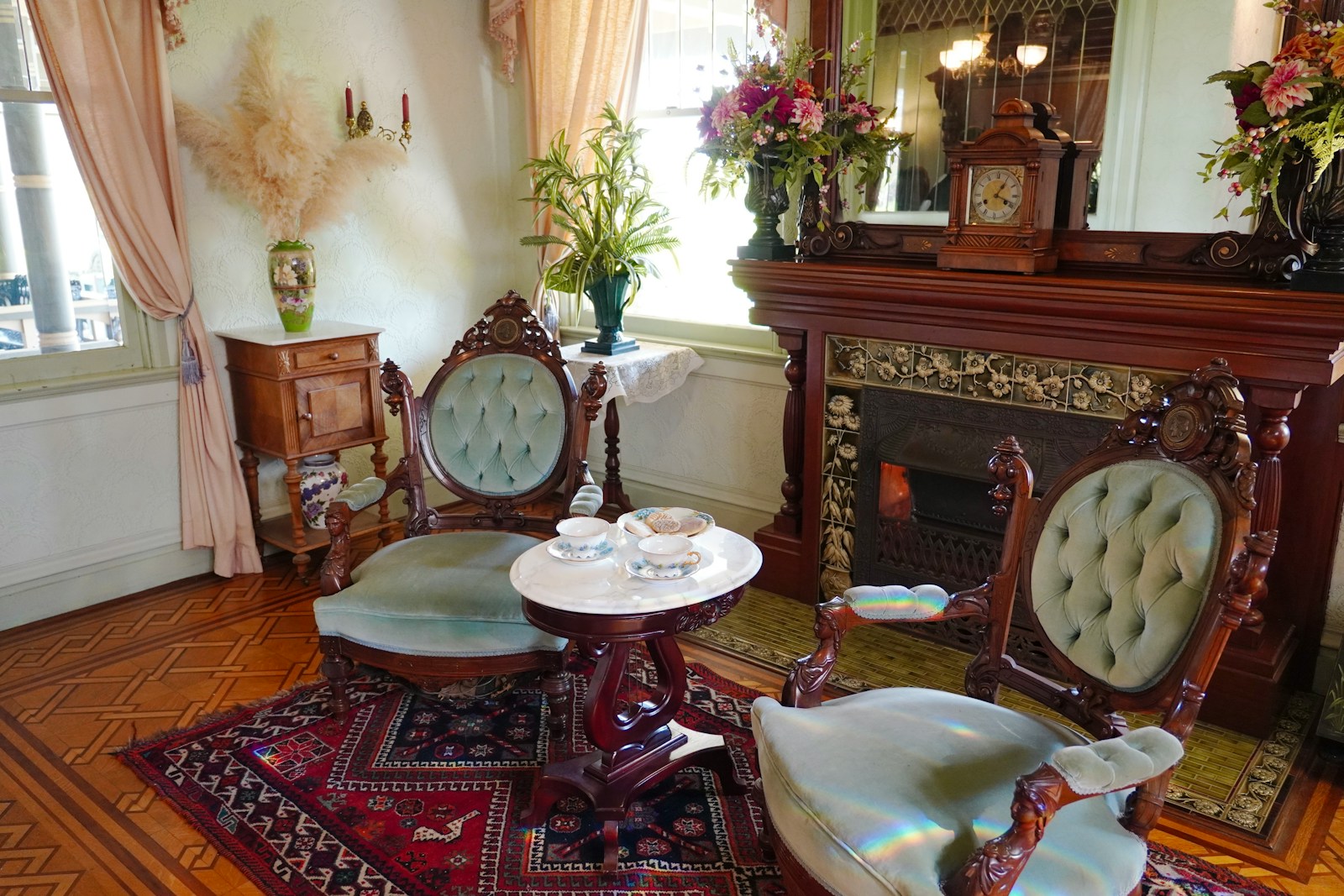
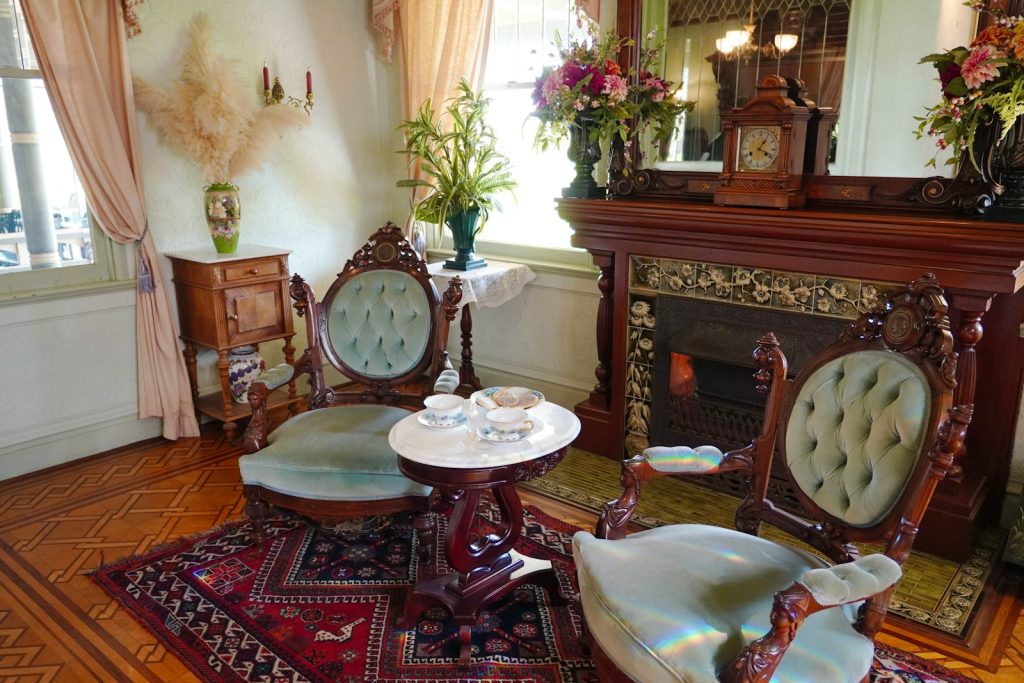
Victorian furniture, once dismissed as fussy and outdated, is quietly regaining value as buyers rediscover its craftsmanship. Guides that help you identify classic furniture styles list 19th-century Victorian pieces alongside Renaissance, Louis XV, French Provincial, Queen Anne and Louis XVI, underscoring that this era is firmly back in the conversation for serious collectors. Carved walnut sideboards, marble-topped washstands and button-tufted sofas are no longer relegated to attics.
In secondhand markets, the shift shows up in how quickly quality Victorian items now sell compared with a decade ago. As you build a vintage-focused home, these pieces offer a cost-effective way to add gravitas while values are still climbing from a relatively low base. Look for original casters, intact carving and matching hardware, because condition and completeness are what separate investment-grade Victorian furniture from bulky clutter.
4) Georgian
Georgian furniture, with its symmetrical profiles and restrained ornament, is benefiting from renewed interest in pre-industrial craftsmanship. Collectors who scour secondhand markets for serious finds increasingly highlight 18th-century mahogany chests and dining chairs as pieces that hold and grow their value. The appeal lies in the balance between elegance and usability, which makes Georgian designs surprisingly easy to integrate into modern interiors.
Because genuine Georgian furniture is finite and often tied to specific regional cabinetmakers, every surviving example carries historical weight. For you as a buyer, that means even modest items like side tables or corner cupboards can appreciate steadily if they retain original patina. When you see dovetailed drawers, hand-planed surfaces and consistent hardware, you are looking at the exact traits that underpin the style’s month-on-month value gains.
5) Queen Anne
Queen Anne furniture is rising in value on the strength of its graceful cabriole legs, curved backs and relatively light visual footprint. Style guides that group Queen Anne with other classic furniture styles emphasize how its walnut finishes and shell motifs bridge the gap between baroque heaviness and later minimalism. That versatility makes Queen Anne chairs and lowboys especially attractive to decorators who want period detail without overwhelming a room.
In the secondhand home scene, you are now competing with both collectors and design-led buyers for the same limited stock. As a result, prices for authentic early examples, particularly in walnut rather than later mahogany reproductions, have been ticking upward. When you encounter a set of matching dining chairs or a highboy with original brasses, it is worth acting quickly, because these are precisely the pieces that are seeing consistent monthly appreciation.
6) Chippendale
Chippendale furniture, famous for ribbon-back chairs and ball-and-claw feet, has long been a benchmark of quality, and current trends are pushing its values higher. Curated marketplaces that invite you to Explore Chippendale Incollect Discover show how demand spans antique, vintage and contemporary interpretations of the style. That breadth of interest supports a robust resale environment, especially for earlier pieces with strong provenance.
At the same time, more accessible platforms that encourage you to Shop Chippendale Chairish Browse have introduced the look to a wider audience, which further fuels demand. For you, the key is to distinguish between solid-wood, hand-carved chairs or cabinets and mass-produced reproductions. The former are the items most likely to keep rising in value, particularly when they retain original finish and upholstery frames that can be sensitively restored.
7) Shaker
Shaker furniture, rooted in 18th and 19th-century Quaker communities, is gaining value thanks to its simplicity and honesty of construction. As more people seek out the secondhand home instead of buying new, Shaker tables, peg rails and ladder-back chairs stand out as timeless, functional choices. Their clean lines align neatly with contemporary minimalist tastes, which broadens the buyer pool beyond traditional collectors.
Because original Shaker pieces were built for communal use rather than display, surviving examples often show wear, yet that patina is part of their appeal. For you as a shopper, the rising market means it is worth paying attention to construction details like through-tenons and hand-cut joints. Those features signal authenticity and help explain why auction and resale prices for verified Shaker furniture have been trending upward month after month.
8) Arts and Crafts
Arts and Crafts furniture, especially in oak, is experiencing a steady climb in value as buyers prioritize craftsmanship and visible joinery. Handcrafted pieces from the late 19th and early 20th centuries align with the broader shift toward sustainable consumption and careful vintage discovery methods. Mission-style bookcases, slatted armchairs and sideboards with hammered hardware are now recognized as design-forward rather than old-fashioned.
For you, the opportunity lies in spotting undervalued items that have been darkened by age or poor storage but retain their structural integrity. Simple cleaning and light restoration can reveal quarter-sawn grain and original finishes that the market currently rewards. As more decorators pair Arts and Crafts furniture with modern lighting and textiles, demand is likely to keep nudging prices higher, particularly for signed pieces from known workshops.
9) Danish Modern
Danish Modern furniture, with its teak wood, tapered legs and minimalist silhouettes, is one of the most liquid categories in the vintage market. Guides that highlight what antiques are increasing in value frequently mention mid-century modern and related Scandinavian designs as top performers. That external confirmation mirrors what you see on resale platforms, where credenzas, nesting tables and lounge chairs from this era rarely sit unsold for long.
Because Danish Modern pieces were produced in significant numbers, condition and maker matter more than ever. As you browse secondhand accessibility channels, prioritize items with intact veneer, original hardware and clear labels from respected manufacturers. Those details are what separate furniture that simply holds its price from pieces that appreciate month after month as supply of top-tier examples tightens.
10) Hollywood Regency
Hollywood Regency furniture, defined by glamorous curves, lacquered finishes and metallic accents, has surged in popularity as maximalist interiors return. Market roundups of styles that just skyrocketed in value often point to mirrored consoles, faux-bamboo brass etageres and tufted velvet seating from the 1930s to 1960s. These pieces photograph well, which makes them especially coveted in social media driven design culture.
For you, the rising value of Hollywood Regency means that items once dismissed as “too flashy” are now smart buys if they are structurally sound. Look for original lacquer, unchipped mirror panels and sturdy frames, because restoration can be costly. As more decorators mix these glamorous elements with contemporary art and neutral walls, demand is likely to keep nudging prices upward across both local shops and online auctions.
11) French Provincial
French Provincial furniture, with its painted woods, cabriole legs and carved flourishes, is gaining value as rustic European aesthetics stay in demand. Style experts who catalog Classic Renaissance Louis XV French Provincial Queen Anne Louis XVI designs emphasize how French Provincial offers a softer, more relaxed take on formal French furniture. That makes armoires, buffets and bedside tables from this tradition especially adaptable to modern country and cottage interiors.
In secondhand pursuits, you will notice that authentic French Provincial pieces in solid wood now command higher prices than mass-market imitations. Original painted finishes, especially in muted creams and blues, are particularly prized. As more homeowners lean into layered, collected rooms rather than single-brand suites, these versatile pieces are likely to keep appreciating, rewarding buyers who recognize quality carving and sturdy construction.
12) Empire
Empire furniture, rooted in early 19th-century France, is characterized by bold neoclassical motifs, heavy mahogany and strong silhouettes. As collectors focus on antiques increasing in value, Empire sideboards, sleigh beds and pier tables are reappearing in curated selections. The style’s use of columns, brass mounts and rich veneers gives it a presence that modern reproductions struggle to match.
For you, the market’s renewed interest in Empire means that pieces which once languished in consignment shops are now worth a second look. Pay attention to veneer condition and the quality of any gilded or brass details, since these elements are expensive to restore. As neoclassical influences cycle back into fashion, well-preserved Empire furniture is positioned to see continued month-on-month value growth.
13) Rococo
Rococo furniture, with its asymmetrical shells, scrolls and pastel finishes, is benefiting from a broader revival of ornate interiors. When experts outline classic furniture styles, Rococo sits alongside Louis XV and other French traditions that emphasize curves and surface decoration. That renewed attention has translated into higher demand for original commodes, gilt mirrors and carved fauteuils.
As you navigate secondhand interest in this style, the key is to separate authentic period pieces from later, lower-quality reproductions. Look for crisp carving, consistent motifs and evidence of handwork rather than molded ornament. Because true Rococo furniture is relatively scarce, especially outside Europe, any verified example in good condition is likely to see steady appreciation as maximalist and historical aesthetics continue to trend.
14) Baroque
Baroque furniture, known for dramatic gilding, heavy proportions and bold carving, is seeing value upticks as collectors chase statement pieces. In the context of vintage sourcing, Baroque cabinets, thrones and console tables offer an immediate focal point that newer furniture rarely matches. Their theatrical presence appeals to buyers who want a single piece to anchor an otherwise simple room.
For you, the rising market means that even smaller Baroque items, such as gilt stools or carved wall brackets, can represent meaningful investments. Condition is crucial, particularly when gilding or veneer is involved, so inspect carefully before committing. As interior trends continue to embrace contrast and historical layering, demand for authentic Baroque furniture is likely to keep nudging prices higher across auctions and specialty dealers.
15) Art Nouveau
Art Nouveau furniture, with its flowing organic lines, inlaid motifs and occasional use of exotic woods, is climbing in value as collectors seek pieces that blur art and function. Market observers who track vintage styles that skyrocketed in price often highlight Art Nouveau cabinets, headboards and side chairs for their sculptural quality. These designs stand apart from both strict historicism and stark modernism, which gives them a unique niche.
As you explore secondhand home strategies, pay attention to marquetry, sinuous carved details and original hardware, since these are the features that drive collector interest. Because many Art Nouveau pieces were produced in limited numbers, especially by named designers, scarcity supports ongoing monthly appreciation. Securing even a single authentic example can add both visual impact and long-term value to your vintage-focused interior.
More from Vinyl and Velvet:

Leave a Reply