

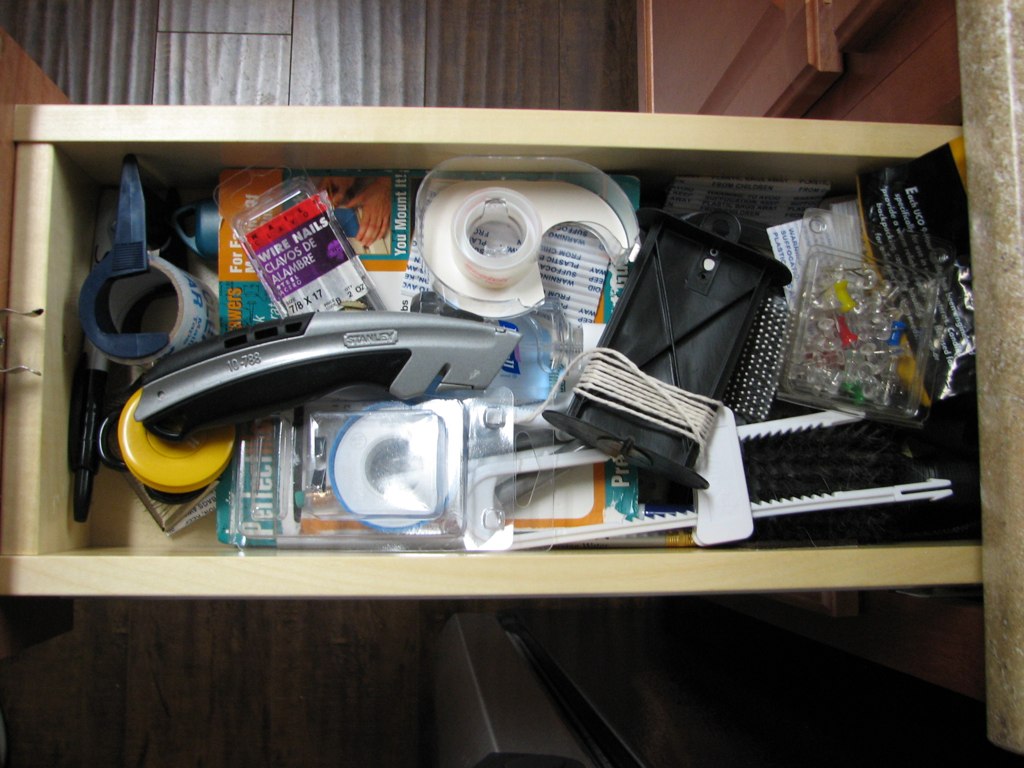
Your junk drawer is not just a graveyard for dead batteries and mystery keys. Tucked between rubber bands and old receipts, you may be sitting on items that are surprisingly valuable, either in cash or in everyday usefulness. By looking closely at what experts and organizers flag as worth keeping, you can turn that chaotic space into a quiet source of both money and problem-solving power.
1) Rare Collectible from Junk Drawer
A rare collectible is the clearest proof that something in your junk drawer can be worth thousands of dollars. Reporting on 5 things found in junk drawers that ended up worth serious money shows how an overlooked item, treated as clutter for years, can suddenly be recognized as a high-value collectible. The key detail is that the owners did not initially realize what they had, which is exactly how many junk drawers function in everyday homes.
For you, the stakes are straightforward: a quick audit of old coins, pins, or limited-edition gadgets could uncover something that collectors aggressively seek. When a single piece sells for thousands, it can change how you think about “junk” and encourage more careful storage, documentation, and even insurance for small items that might otherwise stay buried under takeout menus.
2) Forgotten Heirloom Stashed Away
A forgotten heirloom, such as a small piece of jewelry or a family keepsake, is another standout from the same group of valuable junk-drawer discoveries. In that reporting, an item that had essentially become background clutter turned out to carry a price tag in the thousands once an expert evaluated it. The owners had treated it as sentimental at best, not as a financial asset hiding in plain sight.
If you have rings, brooches, or pocket watches tossed into a drawer after a move or an estate cleanout, you may be underestimating both their market value and their insurance needs. Getting such pieces appraised can protect you from loss, guide you on whether to sell or keep them, and help you decide if they belong in a safer spot than next to spare AAA batteries.
3) Vintage Oddity Unearthed
A vintage oddity, the kind of object you keep “just because it is interesting,” also appears among the five junk-drawer finds worth thousands. In that case, a quirky, outdated item that no longer had an obvious use turned out to be highly desirable to collectors who prize rarity and originality. What looked like a candidate for the trash became a windfall once someone recognized its niche appeal.
This has direct implications for your own drawer of curiosities. Old tech accessories, obsolete tools, or branded promotional items from long-gone companies can attract serious bids if they are scarce and in decent condition. Before you declutter, it is worth checking online marketplaces and collector forums to see whether your “odd little thing” is actually a sought-after piece of design or pop culture history.
4) Overlooked Treasure Trove Item
An overlooked treasure trove item, buried under layers of everyday clutter, rounds out another example from the same set of junk-drawer windfalls. In that reporting, the item was not just valuable on its own, it was part of a small cluster of pieces that, once identified, collectively added up to thousands. The drawer had effectively become an accidental safety deposit box, without anyone realizing it.
For your home, that means a messy drawer can hide not just one, but several related valuables, such as a group of old medals, rare stamps, or early-edition trading cards. Treating the drawer as a potential “treasure trove” encourages you to sort items into labeled containers, document what you own, and periodically reassess whether certain pieces should be stored more securely or even professionally appraised.
5) Hidden Gem in Disarray
A final hidden gem in disarray from the five high-value junk-drawer stories underscores how chaotic storage can mask serious worth. In that case, the item was surrounded by everyday clutter, yet once someone took the time to sift through the mess, it emerged as a standout worth thousands. The contrast between its condition and its value is what makes it so striking.
In practical terms, this suggests that your most profitable move might be a simple, methodical clean-out. By emptying the drawer, grouping like items, and checking anything that looks old, branded, or unusually well made, you reduce the risk of accidentally tossing something that could meaningfully affect your finances. The broader trend is clear: disorganized spaces often hide the very objects you would protect most carefully if you knew their true value.
6) 2007 Common Item
A 2007 common item, highlighted in reporting that urges you to “check your junk drawer,” is now projected to be worth as much as $50,000 to collectors. According to an expert cited in coverage of this 2007 collectible, a seemingly ordinary object from that year has become a target for serious buyers as supply shrinks and nostalgia grows. The key point is that many people still have it tucked away without realizing its potential.
If you bought popular gadgets, limited-run accessories, or special-edition media in 2007 and then tossed them into a drawer, you may be sitting on a five-figure asset. The stakes extend beyond one item, because it shows how quickly everyday consumer products can cross into investment territory. Checking model numbers, packaging, and condition can help you determine whether your 2007 relic is just clutter or a major payday waiting to happen.
7) Essential Household Keeper
An essential household keeper, such as a measuring tape or rechargeable batteries, is singled out as something you should always have in your junk drawer. Guidance on junk-drawer essentials emphasizes that these tools are “actually useful” because they solve frequent, small problems, from hanging frames to powering remotes. The value here is not resale price, but the time and frustration you save by knowing exactly where these items live.
For you, that practical reliability is its own kind of wealth. A drawer stocked with a sturdy measuring tape and charged batteries means fewer last-minute trips to the store and less disruption when something breaks or needs adjustment. Over time, that organization supports smoother home projects, more accurate purchases, and a general sense that your space is under control rather than constantly on the verge of chaos.
8) Glad-to-Have Utility
A glad-to-have utility, such as a compact multi-tool or precision screwdriver set, stands out among the actually useful junk-drawer items that experts recommend. These tools earn their place because they handle a wide range of small fixes, from tightening cabinet hardware to opening battery compartments, without forcing you to dig through a full toolbox. The emphasis is on versatility and reliability in a small footprint.
Keeping one of these tools in your junk drawer effectively turns that space into a mini repair station. The broader implication is that a thoughtfully stocked drawer can reduce your dependence on professional help for minor issues, saving money and time. When a loose screw or wobbly knob no longer requires a special trip to the garage or a hardware store, your home becomes easier and cheaper to maintain day to day.
9) Retained Attic-to-Drawer Holdover
A retained attic-to-drawer holdover, such as a well-preserved holiday decoration or vintage household item, can avoid the fate of the 5 things to toss from your attic if it still has clear utility or value. That guidance warns that certain attic items deteriorate, become safety hazards, or simply lose relevance, making them candidates for the trash. However, selectively moving a still-useful piece into your junk drawer can extend its life and keep it accessible.
For example, a small but functional seasonal tool or decorative accent can be stored in the drawer instead of a hot, dusty attic, preserving its condition and making it easier to use. The stakes involve both safety and sentiment: you avoid hanging on to degraded clutter overhead while still honoring items that work or carry meaning. In effect, the junk drawer becomes a curated space for practical nostalgia rather than a dumping ground.
10) Well-Intentioned House Helper
A well-intentioned house helper, like a bundle of neatly labeled cords or pre-bagged “fix-it” kits, often ends up in the junk drawer even when it annoys other people in the household. In a candid look at “helpful” things around the house, one partner’s organizing efforts are described as frustrating, yet the underlying tools and systems are meant to make life easier. Those labeled bags, spare parts, or cleaning gadgets frequently migrate to the drawer for lack of a better home.
Despite the interpersonal tension, these helpers can be genuinely valuable when you need a specific cable, hook, or repair piece in a hurry. The broader trend is that well-meant organizing, even when imperfect, often creates hidden reserves of utility. By refining where and how you store these items, you can keep the benefits, reduce the annoyance, and transform your junk drawer into a reliable first stop for everyday household problems.

Leave a Reply