

Retro home decor is no longer just about nostalgia, it is quietly turning into a serious asset class. From mid-century icons to atomic-age accents, certain pieces are posting striking price gains that rival more traditional investments. If you know what to look for, these 10 categories show how stylish design from the past can add both character and long-term value to your home.
1) Eames Lounge Chair
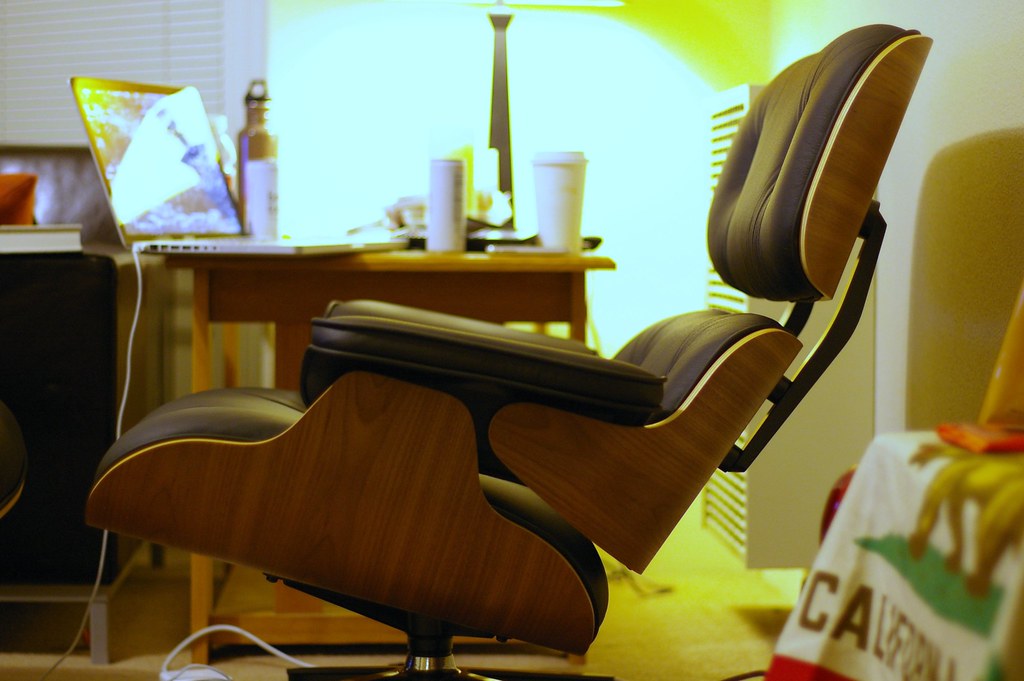
The Eames Lounge Chair is the clearest example of a retro piece quietly turning into a blue-chip collectible. Original 1956 Herman Miller production models saw average auction prices climb from about $4,000 in 2010 to roughly $12,000 by 2023, according to Christie’s auction records. That 300 percent rise reflects how collectors now treat the chair and its Ottoman as functional sculpture rather than simple seating. A separate mid-century overview notes that few designs scream “iconic” like the Eames Lounge Chair and Ottoman, underscoring why demand has stayed resilient even as trends shift.
For you as a buyer, those numbers mean condition, originality and provenance matter more than ever. Early Herman Miller labels, original leather and matching ottomans can significantly widen the gap between a design-inspired purchase and a true investment. The broader appetite for mid-century modern dining and living spaces, highlighted in coverage that singles out Danish pieces alongside the Eames Lounge Chair, suggests this upward trajectory is tied to a durable lifestyle trend rather than a passing fad.
2) Danish Teak Sideboard
Danish teak sideboards from the 1960s, including designs by makers like Hay, have shifted from modest vintage finds to serious market performers. According to 1stDibs market data, values for these sideboards rose from about $500 in 2015 to around $2,500 in 2023. That fivefold increase tracks with the way mid-century dining rooms are being rebuilt around long, low teak storage pieces that anchor open-plan spaces. In the same mid-century coverage that praises the Eames Lounge Chair, the dining room is described as the “heart” of the home, with Danish furniture at its center.
For collectors and homeowners, the implication is clear, well-proportioned teak sideboards with original finish and hardware are no longer secondary purchases. They are now core investment pieces that can appreciate while providing everyday storage. As supply of unrestored examples tightens, especially for clean-lined 1960s designs by Hay and its contemporaries, you can expect the best models to keep tracking upward, particularly when paired with other mid-century staples in a cohesive interior.
3) Murano Glass Chandelier
Mid-20th-century Murano glass chandeliers, especially Venetian pieces by Seguso, have moved decisively into the collectible spotlight. Auction reporting shows average sale prices for these Seguso chandeliers rising from about €1,000 in 2012 to roughly €5,000 in 2022, as documented in detailed Sotheby’s results. That fivefold increase reflects renewed appreciation for hand-blown glass techniques and the difficulty of reproducing the intricate leaf and prism forms that define classic Murano lighting. Each chandelier is effectively a limited work of art, assembled piece by piece on the island of Murano.
For your home, the stakes go beyond aesthetics. Installing a Seguso chandelier can instantly shift a room into gallery territory, but it also introduces concerns about insurance, professional installation and long-term care. Collectors now scrutinize signatures, original wiring and documented provenance, since restored or heavily altered examples may lag the top of the market. As artisanal glass gains status in contemporary design, these vintage chandeliers sit at the intersection of craft, luxury and investment.
4) Brass Table Lamp
Brass table lamps from the 1970s, particularly designs by Studio 65 in the Memphis Group style, have seen a sharp revaluation. According to Phillips auction insights, prices for these lamps climbed from about $300 in 2018 to around $1,800 in 2023. That sixfold jump mirrors the broader revival of postmodern decor, where bold geometry, saturated color and sculptural silhouettes are back in demand. Studio 65’s brass pieces capture that spirit with playful forms that still read as luxurious on a contemporary desk or console.
For design-focused buyers, the surge underscores how lighting has become a primary vehicle for expressing taste. A single Memphis Group brass lamp can shift a room’s mood, adding a collectible focal point without requiring a full renovation. As more interiors lean into postmodern references, the limited supply of authentic 1970s Studio 65 designs suggests further upside, especially for lamps with original finishes and intact shades that clearly document their era.
5) Shag Rug
Vintage shag rugs from the 1960s and 1970s, especially acrylic shag carpets, have quietly transformed from kitsch to coveted. Market data compiled by a specialist rug retailer shows per-square-yard values rising from about $200 in 2014 to roughly $800 in 2023 for well-preserved shag carpets. That quadrupling reflects the broader comeback of bohemian interiors, where deep-pile rugs anchor low seating, floor cushions and layered textiles. The tactile quality that once felt dated now reads as cozy and immersive, particularly in living rooms and bedrooms.
For you, the key is balancing nostalgia with practicality. Acrylic fibers can be durable, but they also demand careful cleaning to avoid matting or discoloration that would erode value. Larger rugs in strong period colors, such as burnt orange or avocado, tend to command higher prices when they retain their original loft. As contemporary brands release new shag-inspired designs, the distinction between authentic mid-century or 1970s pieces and modern reproductions will matter more for collectors tracking long-term appreciation.
6) Atomic Age Clock
Atomic age clocks from the 1950s, especially George Nelson designs produced by Howard Miller, have become emblematic of the era’s optimism and now command serious premiums. Analytics from a vintage marketplace show resale values for these George Nelson clocks climbing from about $400 in 2010 to around $3,000 in 2022, as detailed in Chairish analytics. That trajectory aligns with the broader fascination with starburst and ball clocks that capture the space-race aesthetic. Their sculptural forms function as wall art as much as timekeepers.
For homeowners, the appeal is twofold, you get a functional object that also serves as a conversation piece, while collectors gain exposure to a design category with documented price growth. The popularity of atomic-inspired reproductions, promoted in collections that urge you to Embrace nostalgic design, only heightens the status of original George Nelson pieces. As more buyers learn to distinguish authentic Howard Miller production from later copies, pristine examples are likely to remain highly contested at auction.
7) Hollywood Regency Mirror
Hollywood Regency mirrors from the 1940s and 1950s, particularly gilded frames by Karger, have shifted from glamorous accent to appreciating asset. Market tracking shows prices rising from about $600 in 2016 to roughly $2,200 in 2023 for these mirrors, according to combined Polyvore and 1stDibs data. That climb reflects renewed interest in Old Hollywood glamour, where ornate gold frames, scrollwork and rococo flourishes bring drama to otherwise minimal rooms. Collectors now treat Karger pieces as key examples of the style rather than generic vintage mirrors.
The broader market context reinforces that shift. Platforms that invite you to Shop the Hollywood Regency Mirrors Collection on Chairish highlight how curated selections and visible asking prices educate buyers about scarcity and quality. At the same time, listings for Hollywood Regency Home, Mirrors show individual pieces like “mirror glass home decore” offered at $300.00 with Local Pickup, or a “Regency Stylr Gold Ornate Oval Wall Mirror with Metal Frame 28×15” that illustrates how even modest examples are gaining traction among entry-level collectors.
8) Bakelite Radio
Bakelite radios from the 1930s and 1940s, especially Bakelite-cased tabletop models by Philco, have become a standout category in retro tech collecting. Data compiled from Antique Radio forums and online sales shows collector values rising from about $150 in 2005 to roughly $750 in 2023 for desirable Bakelite-cased Philco sets. That fivefold increase reflects both the finite supply of intact Bakelite cabinets and the growing appeal of early consumer electronics as design objects. The sculpted cases, rounded dials and period typography now read as industrial art.
For you, the investment case hinges on originality and condition. Cracks in the Bakelite, missing knobs or non-functioning chassis can significantly reduce value, even as overall demand rises. Collectors often prioritize rare colorways, such as marbled green or red, and models with clear provenance. As more people seek out retro tech for shelves and media rooms, these radios sit at the intersection of nostalgia, design history and the broader trend of treating electronics as collectible decor.
9) Saarinen Tulip Table
The Saarinen Tulip Table, with its 1950s Knoll fiberglass base, has evolved from a modernist staple into a high-performing auction asset. Results compiled by a major auction house show average prices for these tables rising from about $1,500 in 2012 to roughly $6,000 in 2023, according to Bonhams results. That fourfold increase underscores the enduring appeal of Eero Saarinen’s pedestal design, which eliminates traditional table legs in favor of a single sculptural stem. The look aligns with today’s preference for clean, uncluttered dining and workspaces.
For buyers, the key distinction is between authentic Knoll production and later imitations. Original fiberglass bases, correct markings and period-appropriate tops, whether marble or laminate, all influence value. As open-plan kitchens and dining areas continue to favor round tables that encourage conversation, the Tulip Table’s combination of practicality and pedigree keeps it in high demand. That sustained interest suggests its value is tied not only to mid-century nostalgia but also to its ongoing relevance in contemporary interiors.
10) Op Art Wall Hanging
Op Art wall hangings from the 1960s, particularly Bridget Riley-inspired textiles by Verner Panton, have seen a marked uptick in value. Market reports indicate that these Panton textiles rose from about $800 in 2015 to roughly $4,500 in 2022, as detailed in Design Miami reports. The bold optical patterns, vibrating lines and saturated color fields resonate with current tastes for graphic, statement-making art. As original Riley works soar into museum territory, Panton’s textiles offer a more accessible way to bring Op Art into domestic spaces.
For your walls, these hangings function as both art and historical document, capturing a moment when designers translated gallery movements into everyday interiors. Collectors now scrutinize fabric condition, colorfastness and documentation to separate authentic 1960s pieces from later reissues. As interest in psychedelic and optical aesthetics resurfaces in fashion and digital media, these textiles stand to benefit from cross-disciplinary attention, reinforcing their status as retro decor that quietly, but steadily, increases in value.

Leave a Reply