

Cozy ’50s homes were not just about style, they were about creating everyday comfort in spaces that felt safe, warm, and deeply lived in. By looking closely at the small design choices that defined mid-century houses, you can borrow the same inviting atmosphere for your own rooms today while still keeping modern safety and maintenance in mind.
1) Welcoming Front Porches
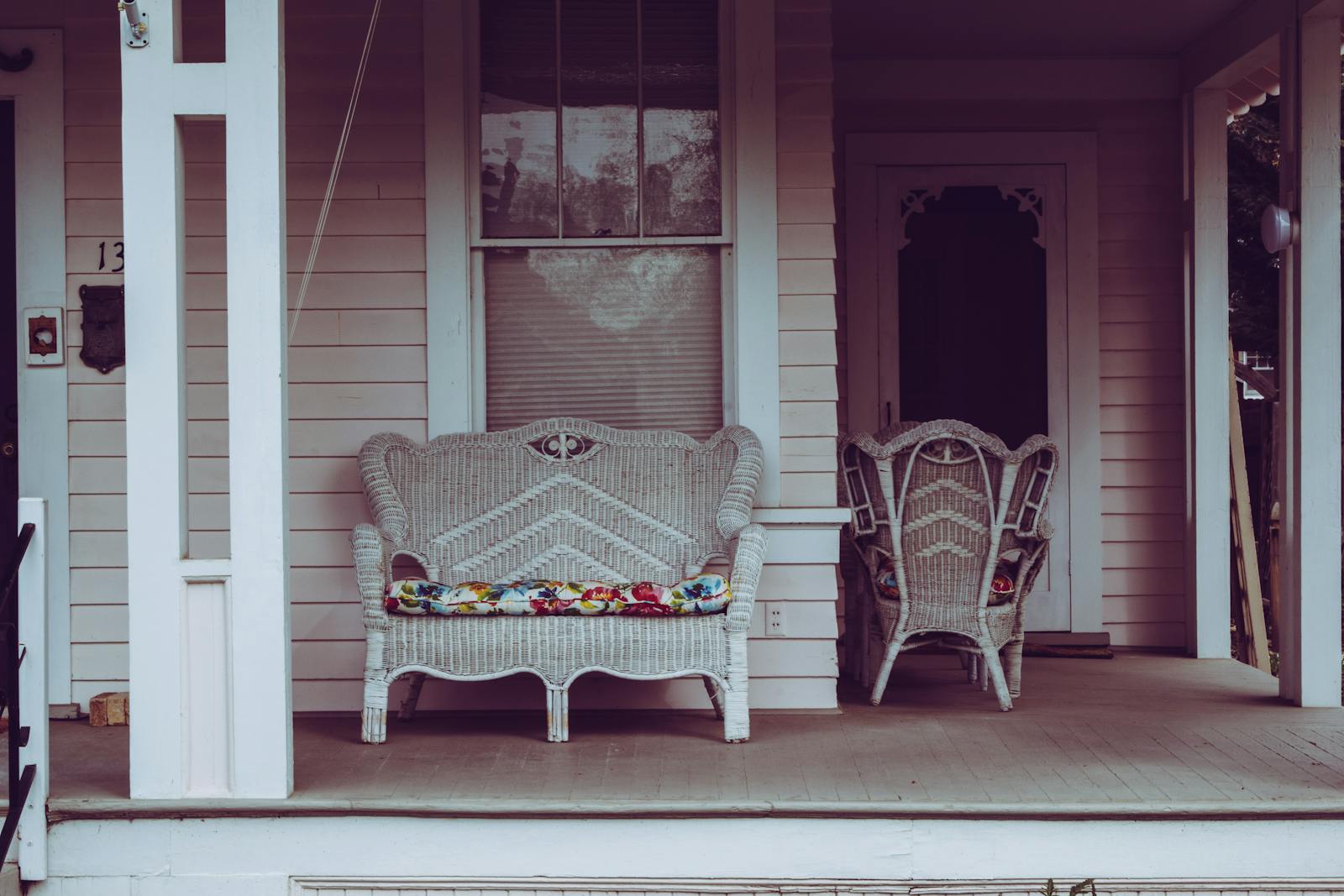
Welcoming front porches set the tone for a cozy 1950s home, giving you a soft transition between the street and your living room. A modest roof overhang, a pair of metal or wicker chairs, and a small side table turned this space into an outdoor sitting room where neighbors stopped to chat. That visibility encouraged casual check-ins, which can still support safety today by making it easier to notice suspicious activity or neglected maintenance before it becomes a hazard.
To recreate that feeling, focus on comfort and clear sightlines. Add a sturdy bench, layered cushions, and warm lighting that does not glare into the street. At the same time, keep clutter in check, since crowded porches can hide tripping risks or even obscure damaged railings that, as home safety experts warn in guides to dangerous household features, can turn a cozy entry into a serious fall zone. A tidy, well-lit porch keeps the nostalgic charm while protecting everyone who steps up to your door.
2) Patterned Wallpaper Accents
Patterned wallpaper accents gave ’50s rooms their personality, wrapping small spaces in florals, stripes, or atomic starbursts. Instead of covering every wall, many homeowners used a single feature wall in a dining room or hallway to add visual warmth without overwhelming the eye. Those repeating motifs made compact rooms feel intentional, which is crucial in older houses where floor plans are tighter and you rely on design to define each area’s purpose.
When you use wallpaper today, you can echo that mid-century coziness by choosing patterns with soft, slightly muted colors and pairing them with simple trim and solid upholstery. Modern materials are easier to clean and more resistant to moisture, which helps prevent peeling edges that can trap dust or mold. By limiting bold prints to accent walls or built-in niches, you keep the look playful and nostalgic while maintaining a calm backdrop for everyday life.
3) Vintage Radio Consoles
Vintage radio consoles once anchored the living room, turning sound into a shared experience instead of a background noise. Families gathered around a single cabinet to listen to news, comedy shows, or baseball games, which naturally pulled seating into a cozy semicircle. That layout encouraged conversation and eye contact, a contrast to modern rooms where screens often dominate and scatter attention across multiple corners.
Repurposing a radio console today can bring that same sense of focus back into your space. You might tuck modern speakers or streaming gear inside the cabinet while keeping the original wood exterior, then arrange chairs and sofas so everyone faces the unit and each other. This approach preserves the nostalgic silhouette while avoiding outdated wiring or components that could overheat. The result is a warm, story-filled focal point that supports both safety and connection.
4) Cozy Corner Nooks
Cozy corner nooks were a hallmark of mid-century practicality, turning unused corners into built-in benches or window seats. In small ’50s houses, these nooks carved out a private spot for reading, knitting, or homework without needing a separate room. The combination of cushions, low light, and nearby shelves made them feel like a retreat, which helped busy households balance togetherness with quiet time.
To adapt the idea, look for corners near natural light and add a custom cushion on top of a storage base. Drawers or lift-up lids give you a place to stash blankets and board games, keeping the rest of the room uncluttered. Good task lighting and a nearby outlet make the nook useful for both analog and digital activities, while sturdy construction prevents loose boards or wobbly seating that could undermine the comfort you are trying to create.
5) Warm Wood Paneling
Warm wood paneling wrapped many 1950s dens and basements in a cocoon of amber tones. Even when the panels were thin veneer, the vertical or horizontal lines visually lowered ceilings and made large rooms feel more intimate. That sense of enclosure was especially valuable in family rooms where people gathered for card games, television, or late-night conversations, because it softened echoes and made the space feel less like a bare box.
Today, you can capture the same mood with updated materials and finishes. Real wood or high-quality engineered panels, sealed properly, resist warping and are easier to dust, which helps you avoid hidden grime in grooves and joints. Painting dated paneling in a warm white or greige keeps the texture while brightening the room, striking a balance between mid-century coziness and contemporary light levels that are better for reading, crafting, and everyday tasks.
6) Colorful Kitchen Linoleum
Colorful kitchen linoleum was a workhorse surface in ’50s homes, combining cheerful patterns with easy cleaning. Checkerboard tiles in red and white or soft aqua and cream gave small kitchens a playful energy that made daily chores feel lighter. Because linoleum is resilient underfoot, it cushioned long hours of cooking and dishwashing, which mattered in an era when most meals were prepared at home.
Modern sheet vinyl and true linoleum can recreate that retro look while improving durability and moisture resistance. Choosing low-gloss finishes reduces glare from overhead lights and makes crumbs or spills easier to spot before they become slip hazards. By pairing patterned floors with simple cabinets and open counter space, you keep the room visually grounded, allowing the color underfoot to deliver the cozy nostalgia without overwhelming the rest of the design.
7) Fireplace Mantels with Family Photos
Fireplace mantels with family photos turned the hearth into an emotional anchor in many 1950s living rooms. Framed portraits, school pictures, and holiday snapshots lined up above the fire, reminding everyone of shared milestones. That display made the room feel lived in and layered, especially during gatherings when relatives could point to images and tell stories that bridged generations.
To keep the same warmth today, curate a mix of black-and-white and color photos in simple frames, varying heights for a relaxed but intentional look. Leave enough space between items so you can dust easily and keep combustible materials a safe distance from open flames or hot glass fronts. Integrating a few non-photo objects, such as a vintage clock or a small vase, adds dimension while preserving the mantel’s role as a sentimental focal point.
8) Plush Shag Rugs
Plush shag rugs brought softness to ’50s bedrooms and living rooms, cushioning hardwood floors and inviting people to sit or play on the ground. The deep pile trapped warmth, which was especially welcome in drafty houses with less insulation than many new builds. That tactile comfort helped define cozy zones within larger rooms, signaling where you could kick off your shoes and relax.
When you use shag rugs now, focus on materials and maintenance so comfort does not come at the expense of cleanliness. Choose fibers that are easy to vacuum and resistant to matting, and use a rug pad to prevent slipping on smooth floors. Regular cleaning keeps dust and allergens from building up in the pile, preserving the rug’s inviting feel while supporting healthier air quality for everyone who enjoys that soft landing spot.
9) Attic Storage Solutions
Attic storage solutions quietly supported the coziness of ’50s homes by keeping clutter off the main floors. Boxes of seasonal decorations, outgrown clothes, and keepsakes moved upstairs, leaving living rooms and bedrooms free for everyday comfort. That separation helped small houses feel more spacious, because surfaces stayed clear and you were not constantly navigating around rarely used items.
To make attic storage work safely today, start with solid flooring, adequate lighting, and labeled bins so you can find what you need without risky balancing acts. Avoid stacking boxes too high or blocking ventilation, since overloaded spaces can strain joists or hide potential problems like roof leaks. By treating the attic as an organized extension of your home rather than a dumping ground, you protect both your belongings and the calm, uncluttered atmosphere that makes the rest of the house feel truly cozy.

Leave a Reply