

Television in the 1950s did more than entertain you, it quietly rewired how families organized their evenings, talked to one another, and imagined the wider world. Living rooms became mini theaters, parents and children shared regular viewing rituals, and storylines about home, work, and morality seeped into everyday decisions. By looking closely at the most influential features of 1950s TV, you can see how those early broadcasts still shape what you expect from family life and screen time today.
1) The Living Room TV Set As Household Centerpiece
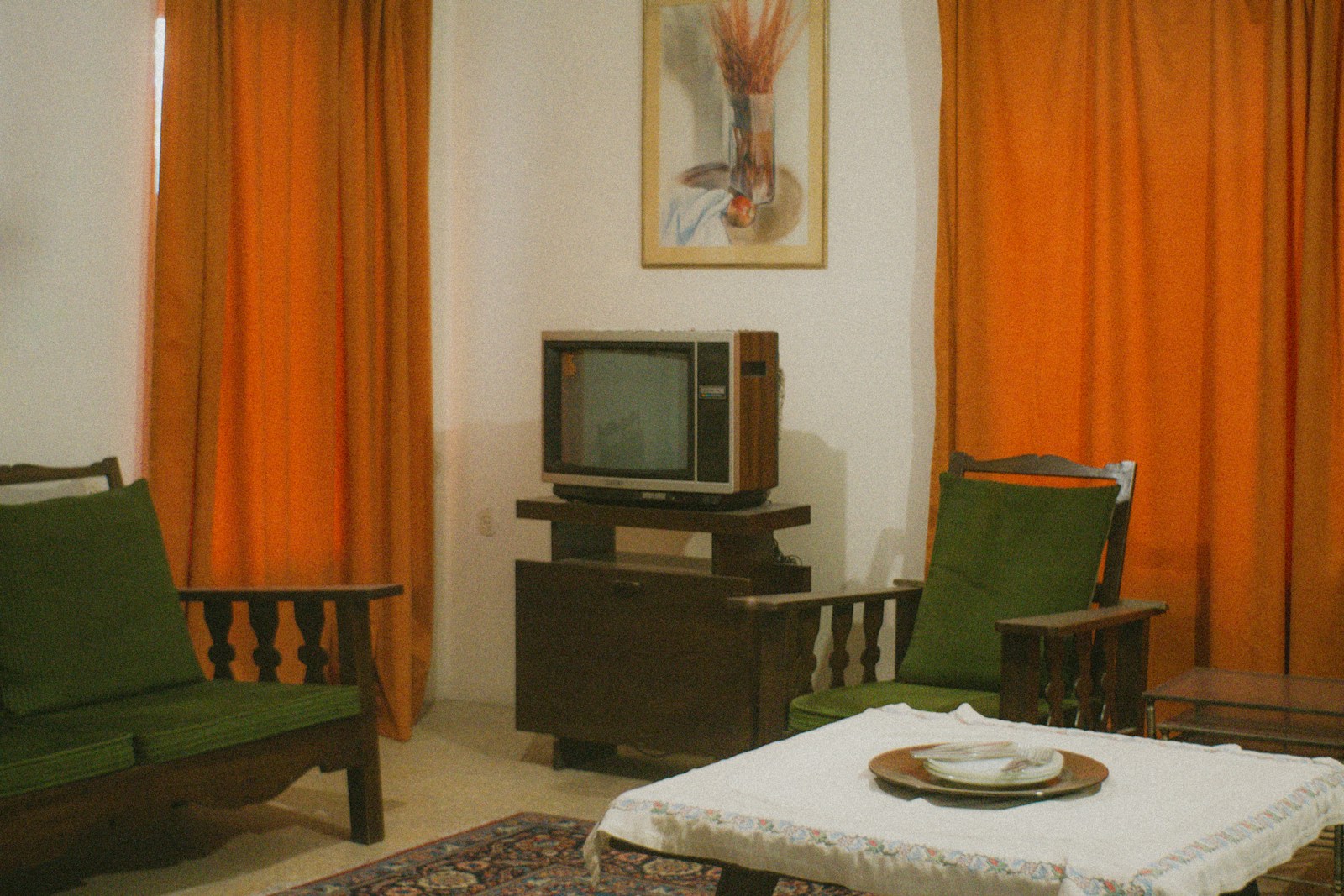
The living room television set quickly became the centerpiece of 1950s family life, rearranging furniture and routines around its glowing screen. Instead of gathering around a piano or radio, you and your relatives would angle armchairs toward the TV cabinet, treating it as a shared window on the world. That shift mirrored how later public figures, such as David Attenborough, used broadcast images to bring distant places into ordinary homes. Once families saw the living room as a viewing hub, nightly schedules, homework habits, and even dinner timing began to orbit around program start times.
This new focal point also changed how privacy worked inside the home. With everyone facing the same direction, conversation often paused during key scenes, and children learned to read adult reactions in real time. Parents could monitor what kids watched, but they also absorbed the same messages about gender roles, work, and patriotism. The stakes were high, because when a single device dominates the main room, it quietly sets the tone for what counts as normal behavior, acceptable language, and appropriate aspirations.
2) Family Sitcoms That Defined “Normal” Home Life
Family sitcoms of the 1950s offered a polished template for what a “proper” household should look like, from neatly dressed parents to well‑behaved children and tidy suburban homes. These shows rarely reflected the full diversity of real families, yet they gave you a ready‑made script for how mothers, fathers, and kids were supposed to interact. The pattern echoed how the story of the von Trapp family was streamlined for screen audiences, turning complex lives into a reassuring narrative about unity and resilience.
By repeating similar setups week after week, sitcoms normalized specific expectations: fathers as breadwinners, mothers as homemakers, children as respectful but occasionally mischievous. Viewers who did not match that mold still absorbed its cues, sometimes measuring their own homes against the scripted ideal. The broader impact was cultural pressure, as advertisers, schools, and even policymakers leaned on those televised images when they talked about what a successful family should be, shaping everything from consumer choices to parenting advice.
3) Scheduled “Family Hour” Viewing Rituals
Regularly scheduled “family hour” programming turned television into a nightly ritual that structured how you spent time at home. Parents could count on early evening slots to offer relatively wholesome content, so children were invited to watch alongside adults without much worry about surprises. This predictability encouraged families to synchronize their routines, finishing chores and homework before a favorite show started, then gathering together on the couch as if attending a recurring event.
These shared viewing blocks also created a common reference point for conversations at school, work, and community gatherings. When nearly everyone watched the same shows at the same time, you gained instant small talk topics and a sense of belonging. The stakes for families were subtle but real, because opting out of those rituals could leave children feeling left out of peer culture. Over time, the idea that evenings should revolve around screen schedules became deeply embedded, influencing how later generations approached streaming lineups and watch‑parties.
4) Gendered Roles Modeled On‑Screen
Gendered roles on 1950s television strongly reinforced who was expected to do what inside the home. Mothers were typically shown cooking, cleaning, and smoothing over conflicts, while fathers dispensed advice after returning from work in a suit and tie. These portrayals did not just mirror existing norms, they amplified them, giving you visual cues about everything from appropriate hobbies to acceptable career ambitions for sons and daughters.
Because these roles appeared in multiple series and genres, they gained the weight of inevitability. Young viewers saw few examples of women in professional leadership or men taking on substantial caregiving, so alternative arrangements could feel abnormal or risky. The implications stretched beyond individual households, feeding into hiring decisions, school counseling, and social expectations about marriage. When television repeatedly framed domestic labor as invisible and feminine, it made it harder for families to renegotiate chores or support women pursuing work outside the home.
5) Idealized Children And Discipline Standards
Television children in the 1950s were often portrayed as mischievous but fundamentally obedient, resolving conflicts within a tidy half‑hour arc. You saw kids who might bend rules but rarely challenged adult authority in any lasting way, and serious problems were usually solved through a heartfelt talk with a parent. This pattern suggested that good parenting would reliably produce respectful, well‑adjusted offspring, smoothing over the messier realities of childhood behavior.
These portrayals influenced how parents judged both themselves and their children. When real‑life kids did not respond to discipline as quickly as their on‑screen counterparts, adults could feel inadequate or overly strict. At the same time, children absorbed the idea that apologies and quick fixes would erase deeper issues. The broader consequence was a narrow public conversation about youth, where complex topics like mental health, bullying, or systemic inequality rarely entered the frame, leaving families to navigate those challenges without much cultural guidance.
6) Commercials That Turned Kids Into Consumers
Commercial breaks in 1950s programming taught families to see children as active consumers, not just passive viewers. Toy ads, breakfast cereals, and sugary snacks were pitched directly to kids, using catchy jingles and colorful mascots to spark desire. When you watched as a child, you learned to associate happiness and social status with specific products, then carried those preferences into conversations with your parents at the grocery store.
For adults, these commercials reframed spending decisions as part of good parenting, suggesting that buying the right items would keep children content and up to date with their peers. The living room became a quiet marketplace, where brand loyalty was built long before kids had their own income. Over time, this dynamic helped normalize the idea that family identity could be expressed through purchases, from breakfast choices to holiday gifts, setting the stage for later debates about advertising to children and screen‑driven consumer pressure.
7) Live Broadcast Events As Shared Family Milestones
Live broadcast events, from major speeches to variety specials, turned the television into a focal point for national moments that families experienced together. Instead of reading about historic developments the next day, you could watch them unfold in real time, reacting alongside millions of other households. Parents often invited children to stay up late for these occasions, signaling that what appeared on screen carried civic or cultural importance.
These shared experiences blurred the line between private and public life. A living room in a small town could feel briefly connected to distant capitals or global stages, shaping how you understood your place in the world. The stakes were significant, because when families absorb major events through a single medium, that medium gains enormous power to frame narratives, highlight certain voices, and omit others. Those early live broadcasts helped establish television as the default lens for interpreting history as it happened.
8) Musical Variety Shows And Family Performance Culture
Musical variety shows encouraged families to treat performance as a normal part of home life, whether through singing along, dancing in the living room, or staging informal talent nights. You saw polished acts on screen, then tried to imitate them with siblings or friends, turning entertainment into participatory play. This mirrored how real musical families, such as the von Trapps, blended domestic routines with performance, even if their actual history was more complex than later dramatizations.
By spotlighting wholesome group numbers and intergenerational acts, variety shows suggested that shared artistic expression could strengthen family bonds. Parents might encourage piano lessons or choir participation, hoping to recreate a bit of that harmony at home. The broader impact was a cultural expectation that families should not only consume entertainment but also produce it, whether at school recitals, church events, or neighborhood gatherings. That legacy still echoes in today’s talent competitions and social‑media performances filmed in kitchens and dens.
9) Educational Segments That Extended Parenting
Educational segments and early children’s programs positioned television as a partner in raising and teaching kids. Simple lessons about numbers, letters, or moral choices were woven into stories, giving you the sense that screen time could be both fun and instructive. Parents who lacked access to extensive libraries or enrichment activities could still feel that their children were encountering new ideas and vocabulary through carefully crafted episodes.
This educational promise reshaped how families justified time in front of the TV. Instead of treating viewing as a guilty pleasure, adults could frame certain shows as extensions of school or Sunday lessons, blurring the boundary between entertainment and instruction. The stakes remain visible today, as debates continue over how much learning screens can genuinely deliver and how they should complement, rather than replace, direct parental engagement and community‑based education.

Leave a Reply