

Retro 1950s style is quietly slipping back into contemporary homes, not as kitsch, but as a comforting counterpoint to sleek minimalism. From cozy bedroom floors to atomic prints, these nine trends show how mid-century ideas are being reimagined for 2025, giving you nostalgic charm with modern practicality.
1) Wall-to-Wall Carpet in Bedrooms
Wall-to-wall carpet in bedrooms is shifting from dated to desirable, with 2025 forecasts pointing to a full-fledged comeback. Reporting on bedroom flooring trends notes that wall-to-wall carpet is expected to return as a favored option, especially where warmth and softness matter most. Broader flooring coverage reinforces this shift, with Carpet described as making a remarkable resurgence as homeowners embrace this “timeless flooring option” in a detailed look at Carpet’s 2025 comeback. Together, these insights signal that plush, continuous bedroom carpet is no longer a relic of the past.
Guides on residential flooring also confirm that wall-to-wall carpeting is steadily making its way back into homes across America, framing it as a viable choice when you want acoustic insulation and underfoot comfort. For you, the stakes are practical as well as aesthetic: carpet can dampen noise in busy households, soften the look of large bedrooms, and provide a cozy foundation for layered rugs. The renewed interest suggests that comfort-focused, retro-inspired bedrooms will feel both current and inviting in 2025.
2) Pastel Color Palettes
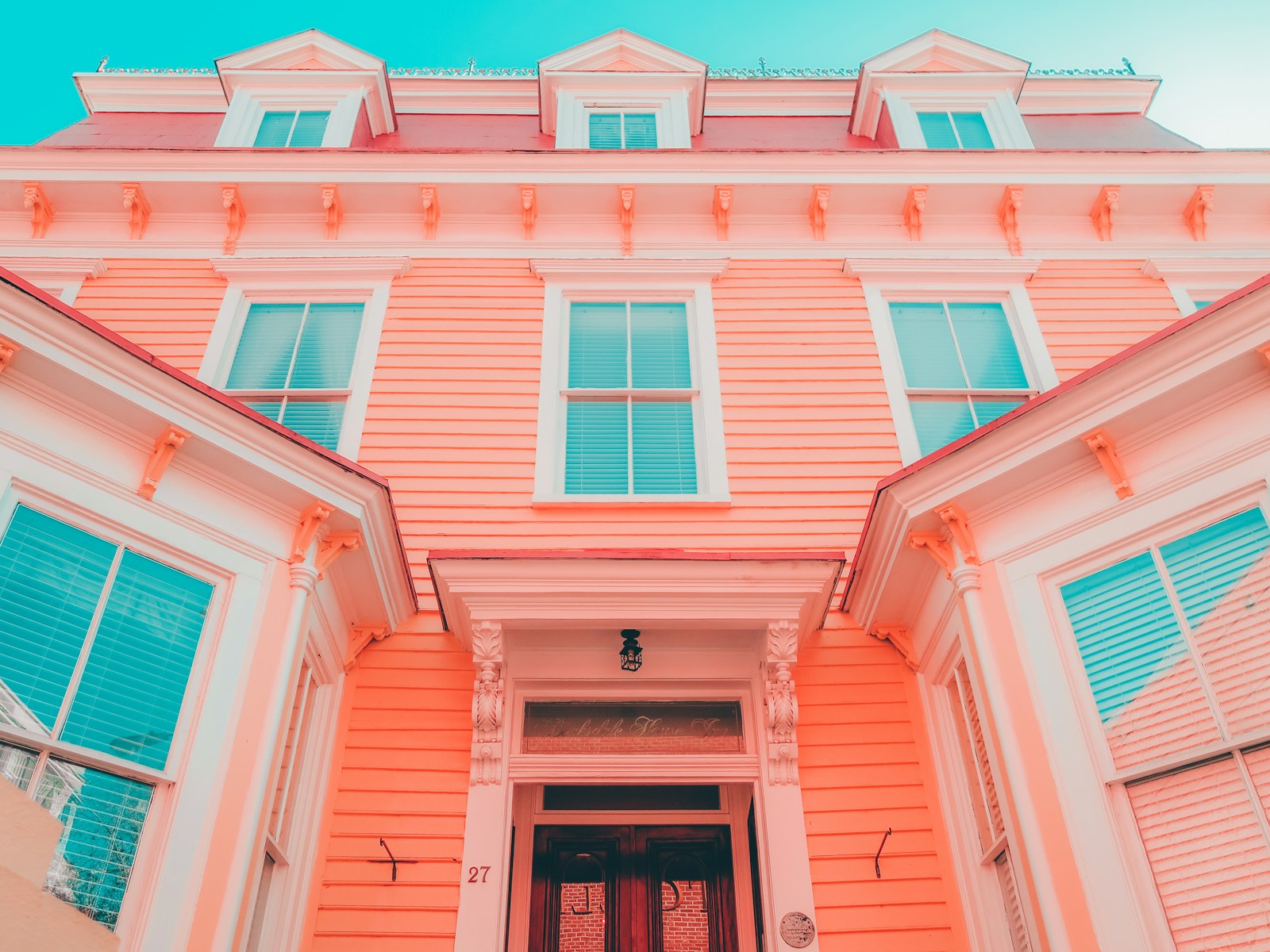
Pastel color palettes, a hallmark of 1950s kitchens and living rooms, are reappearing as a gentle antidote to stark white interiors. Recent design coverage highlights how Warm tones like terracotta and caramel add intimacy, while pastel pinks, greens, and blues create a light and Airy mood in living spaces, as seen in guidance on Warm and pastel color palettes. That combination mirrors the mid-century mix of soft hues with cozy undertones, giving you a way to nod to the 1950s without feeling locked in a time capsule.
For your home, this means you can lean into blush sofas, mint cabinetry, or powder-blue walls to soften sharp lines and metal finishes. Pastels also pair well with natural woods and textured fabrics, which keeps the look grounded instead of sugary. As more living rooms shift toward calming, cocooning schemes, these 1950s-inspired palettes are becoming a strategic tool for creating restful, retro-tinged spaces that still feel fresh.
3) Linoleum Flooring
Linoleum flooring, once a staple of 1950s kitchens and laundry rooms, is returning as an eco-conscious alternative to synthetic vinyl. The material’s roots in mid-century homes, where patterned sheet floors delivered durability and easy cleaning, align neatly with current interest in resilient, low-maintenance surfaces. You see the same appeal today in busy households that need floors to handle spills, pets, and constant foot traffic without constant refinishing or replacement.
Modern linoleum also benefits from updated color ranges that echo retro patterns without copying them outright, from checkerboard layouts to subtle marbling. For you, the stakes are both environmental and aesthetic: linoleum’s composition and long lifespan can reduce replacement cycles, while its soft underfoot feel makes kitchens and bathrooms more comfortable to stand in. When paired with simple cabinetry and vintage-style lighting, it quietly channels 1950s practicality in a way that suits contemporary sustainability goals.
4) Built-In Kitchen Cabinets
Built-in kitchen cabinets, central to 1950s efficiency-focused layouts, are regaining favor as homeowners prioritize storage and clean lines. Mid-century kitchens relied on continuous runs of cabinetry to hide clutter and integrate appliances, and that same logic now underpins many renovation plans. Instead of freestanding hutches or open shelving, you are seeing full-height pantries, appliance garages, and integrated seating nooks that make every inch of wall space work harder.
This shift matters because it supports smaller footprints and open-plan living at the same time. By tucking storage into built-ins, you can keep counters clear and sightlines open, which helps compact homes feel larger. The look also pairs naturally with flat-front doors, slab backsplashes, and understated hardware, all of which echo 1950s simplicity. As a result, built-ins are emerging as a quiet retro influence that solves very current problems of organization and visual calm.
5) Starburst Wall Clocks
Starburst wall clocks, once a defining accent of 1950s living rooms, are reappearing as sculptural focal points. Contemporary makers such as Royale Starburst Clocks UK describe their pieces as “Striking and Iconic,” “Hand Made,” and “Mid Century Modern,” even offering a Royale Laminate Boomerang Retro Clock that fuses two classic motifs. That language underscores how strongly these radiating designs are tied to the era, yet they are being crafted for modern walls and color schemes.
For your space, a starburst clock can function like wall art, adding dimension above a sofa, fireplace, or dining console. The metallic rays and bold shapes break up flat expanses of paint or wallpaper, while the clock face keeps the piece functional. As interiors lean toward quieter furniture silhouettes, these clocks provide a controlled hit of 1950s drama without overwhelming the room, making them ideal for renters and homeowners who want a reversible retro statement.
6) Boomerang Coffee Tables
Boomerang coffee tables, with their curved, asymmetrical tops and tapered legs, are another 1950s favorite edging back into view. Their organic shapes soften the rigid rectangles that dominate many living rooms, echoing the playful optimism of mid-century design. When you place one in front of a sofa, the rounded corners improve circulation and reduce sharp edges, which is especially helpful in smaller spaces or family rooms.
Designers are revisiting these tables in walnut, oak, and even colorful laminates that nod to vintage diners. The sculptural profile also pairs well with low-slung sofas and accent chairs, creating a cohesive mid-century silhouette without requiring a full period recreation. For you, the appeal lies in how these tables balance function and personality: they offer ample surface area for books and trays while acting as a subtle centerpiece that signals a 1950s influence.
7) Fiberglass Eames-Style Chairs
Fiberglass Eames-style chairs, inspired by the molded seats that revolutionized 1950s furniture, are resurfacing as versatile workhorses in dining and home office setups. Their lightweight shells and simple metal or wooden bases make them easy to move, stack, and mix, which suits the flexible way you likely use your rooms today. The original mid-century versions were prized for bringing modern design to everyday households, and that democratic spirit still resonates.
In current interiors, these chairs often appear in muted neutrals or soft pastels, tying them back to the broader retro palette trend. They slide neatly under compact tables, tuck into corners as occasional seating, and can be wiped clean after meals or craft projects. For homeowners balancing style and practicality, Eames-style chairs offer an accessible entry point into 1950s design language without demanding a large investment or permanent installation.
8) Atomic Print Fabrics
Atomic print fabrics, filled with starbursts, boomerangs, and orbit-like dots, are quietly returning on upholstery, curtains, and cushions. These patterns were iconic in 1950s homes, reflecting fascination with space travel and new technology, and they now read as playful counterpoints to solid, minimalist schemes. When you introduce them on a single accent chair or a set of throw pillows, they inject movement and personality without overwhelming the room.
Manufacturers are updating the color stories, swapping neon brights for more subdued palettes that coordinate with contemporary woods and metals. This makes atomic motifs easier to integrate into existing decor, especially if you prefer a mostly neutral base. The stakes for your space are visual: a touch of atomic print can break up monotony, signal a love of mid-century style, and create a focal point that feels both nostalgic and surprisingly current.
9) Chrome Kitchen Accents
Chrome kitchen accents, reminiscent of 1950s diners and soda fountains, are resurfacing in faucets, cabinet hardware, and lighting. Where brushed metals have dominated for years, polished chrome is regaining attention for its crisp, reflective quality. You see it in gooseneck taps, tubular pendant lights, and streamlined pulls that echo the gleam of vintage appliances without requiring a full retro remodel.
For your kitchen, chrome can act as a unifying thread that ties together stainless-steel appliances, white tile, and colorful cabinetry. Its reflective surface bounces light around, which is especially valuable in compact or window-poor spaces. As homeowners look for subtle ways to add character, these shiny details offer a low-commitment route to 1950s flair, proving that even small hardware choices can shift a room toward a quietly nostalgic, yet thoroughly modern, aesthetic.

Leave a Reply