

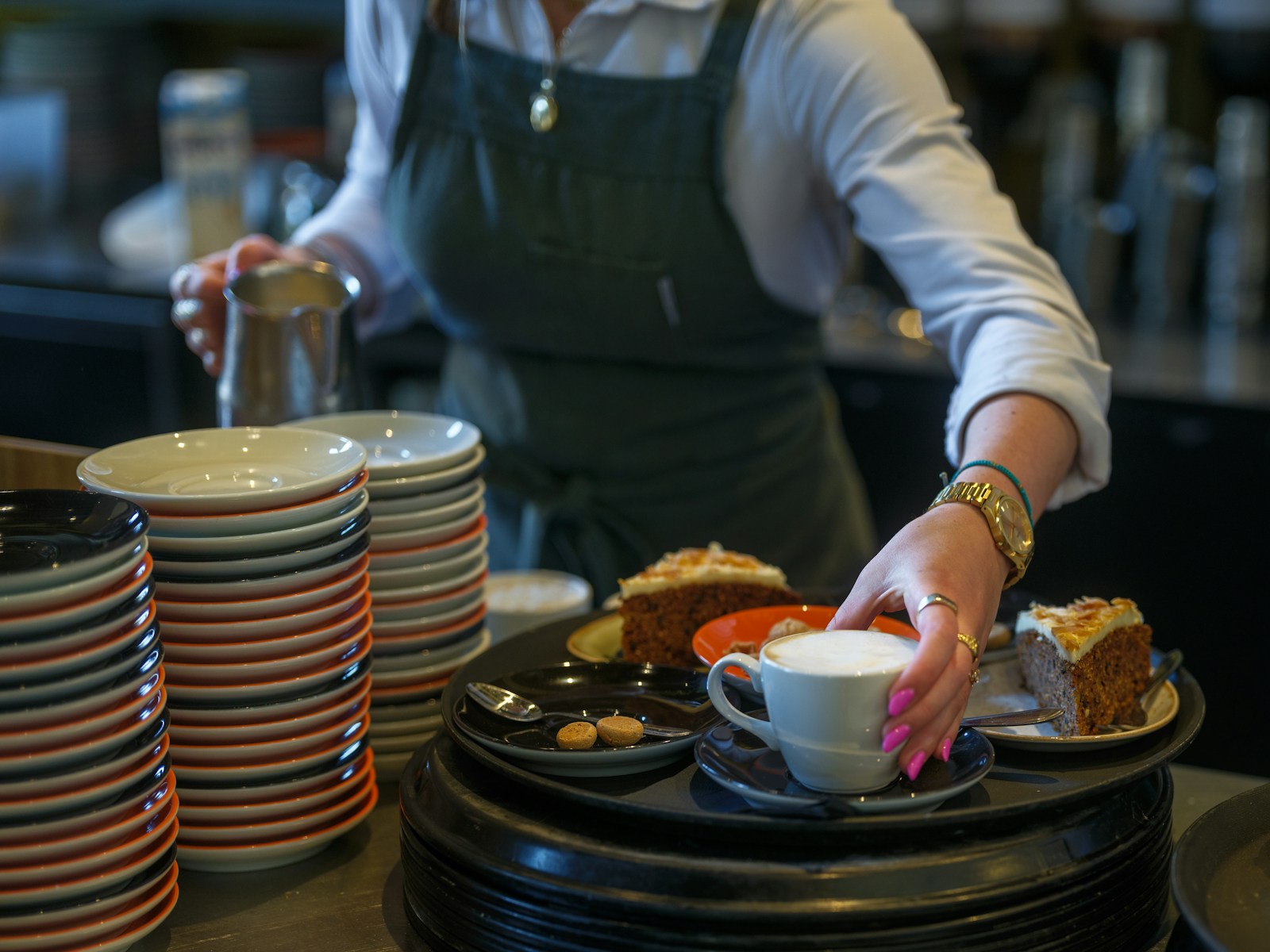
A server at a local restaurant experienced a surreal turn of events when a customer followed him across the dining area to voice complaints over soup and a fork, ultimately leaving without paying a $70 tab. The incident unfolded on a busy night, just when the restaurant was closing for the evening.

According to the server’s account on Reddit, he was already juggling a large crowd after the restaurant had gotten a sudden rush of diners. This type of chaos is familiar to those in the service industry, especially during peak hours. The server mentioned he was trained and experienced, so he was ready for the challenge.
The trouble started when the server attended to a two-person table. After delivering water and explaining that the restaurant was short on freshly baked bread, he faced frustration from the diners. The male customer expressed his displeasure when he learned that the restaurant didn’t carry a particular beer he had requested. The server’s unfamiliarity with the beer prompted an eye-roll from the customer.
As the meal progressed, they ordered two soups. The server went to the kitchen, where he was informed that food orders from another table were ready. Balancing two trays, he delivered the soups to the couple, though he inadvertently switched them. While correcting his mistake, he couldn’t shake the feeling that the man at the table was giving him a harsh glare, making the exchange uncomfortable.
When the couple requested bread again, the server reiterated that it was still in the oven and would take time. The man’s attitude soured further as he sighed dramatically. After that, he asked for a new fork, claiming they had dropped theirs. The server promptly offered to get one, trying to maintain composure despite the pressure.
After delivering food to another table, the server turned around and found the man standing directly in front of him, not at his table. The customer confronted the server about the soup being lukewarm and expressed frustration over the time lost while waiting for the fork. He then declared, “We’re done here,” and walked out, leaving behind a substantial unpaid bill while the kitchen was already preparing their food.
This abrupt exit left the server stunned. He had tried to accommodate the couple amidst the chaos of a busy evening, but somehow it had led to disappointment and a lost sale. It’s not uncommon for servers to deal with difficult customers, but being confronted in such a manner while trying to manage multiple tables can be especially disheartening.
The story resonated with many who have worked in the service industry, illustrating the tension that can arise during peak dining hours. It’s a relatable experience for anyone who has faced criticism from customers who may not understand the complexities of restaurant operations. The server’s experience shows how quickly a situation can escalate over small grievances.
Another reader reflected on the server’s predicament by noting how stressful it can be to balance multiple tables, especially when one guest becomes overly critical. “People forget that servers are doing their best under pressure,” they said. “It’s not easy to juggle everything and still keep customers happy.”
The server’s story also raises questions about customer expectations in dining environments. While many patrons understand that service can fluctuate during busy times, others can become easily aggravated and take it out on the server, leading to unfortunate scenarios like this one. One person pointed out that it might have been helpful for the diner to express his frustrations in a more constructive way, rather than making a scene.
As the dust settles on this chaotic dinner service, the server is left with more questions than answers. Should he change the way he approaches difficult customers? Is there a better way to communicate with guests to prevent similar situations in the future? It remains a challenging aspect of working in hospitality, where not every encounter ends positively.
One thing is clear: the incident serves as a reminder that serving food is not just about the meal itself, but also about navigating human interactions and expectations. As the server reflects on the experience, he wonders what the right course of action should have been. Should he have taken that criticism and turned it into something more constructive? Or was he justified in feeling that he did everything he could under the circumstances?
More from Vinyl and Velvet:

Leave a Reply