

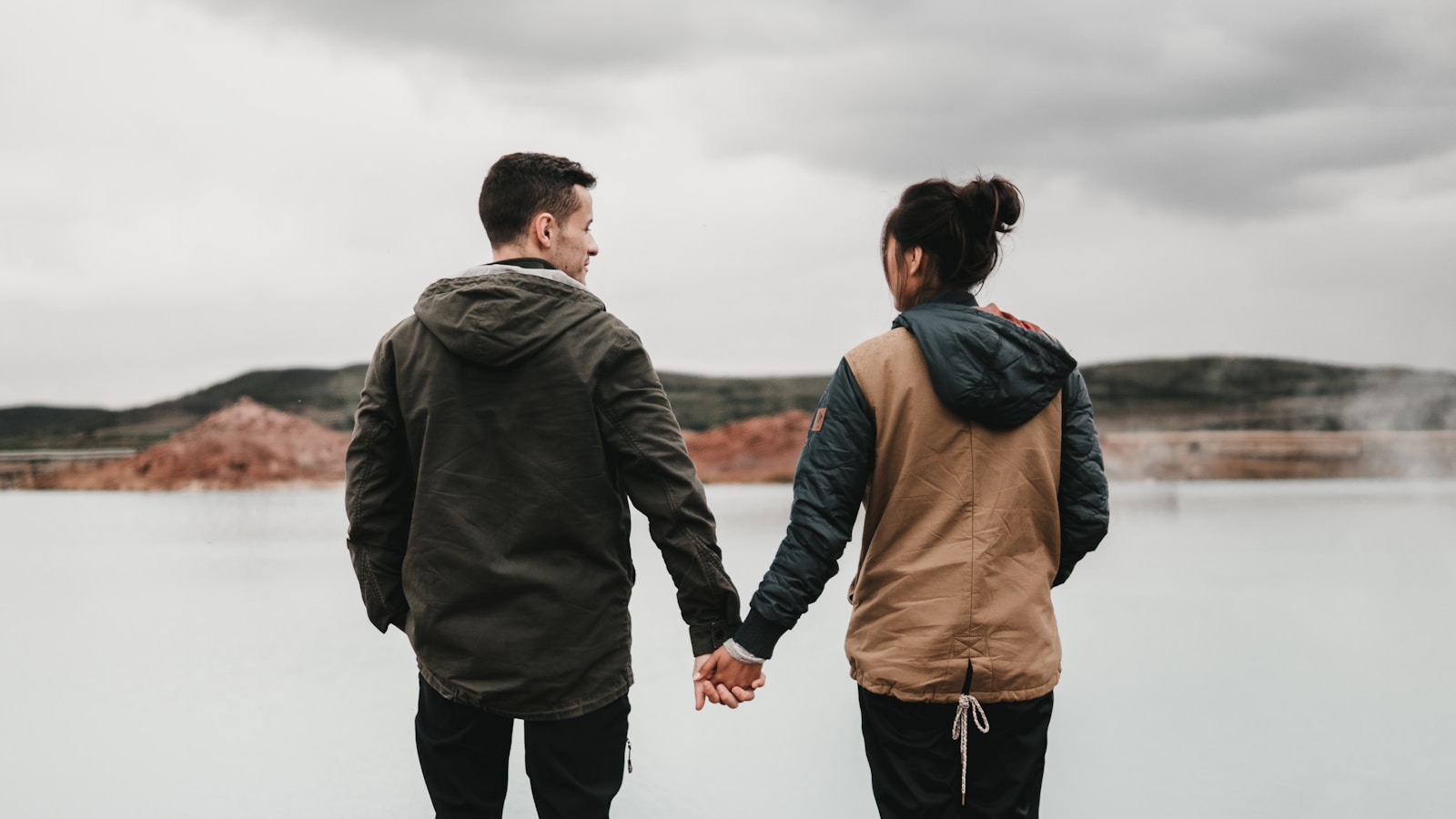
A young woman, known only as Specialist_Double402, recently shared her frustrations about her boyfriend’s clinginess and insecurity in an online relationship advice forum. At just 20 years old, she has been dating her boyfriend, 22, for four months. Although she initially viewed him as an ideal partner, his recent behavior has caused her to question their relationship.

In her post, she describes her boyfriend as attractive, generous, and a “perfect guy to date” at the beginning of their relationship. However, things took a turn when his past relationship traumas began surfacing. Those experiences have led him to become overly sensitive, projecting his insecurities onto her. This shift has left her perplexed and increasingly frustrated.
She notes that she has never had an argument with him before, but lately, he has been fixating on minor issues, leading to emotional outbursts. If she doesn’t reply to his texts within an hour, he grows upset. Even when she reassures him of her feelings, it seems insufficient. He has been known to cry over perceived slights, creating a cycle of stress for both of them.
During one particular conversation, she expressed her feelings about his behavior, but instead of a constructive dialogue, it ended with him in tears and her apologizing just to calm him down. The pressure to maintain his emotional state has been overwhelming for her, leaving her at a crossroads in the relationship.
Recently, her boyfriend confronted her over a different concern: he felt neglected because she hadn’t said “I love you” yet. This turn of events left her incredulous, adding to the growing list of things she finds concerning about his emotional dependency. The constant need for reassurance has begun to feel stifling rather than comforting.
Specialist_Double402 acknowledges that her boyfriend has a history of depression and family issues, making her hesitant to leave him in his time of need. She feels trapped; while she recognizes his struggles, his incessant need for validation leaves her feeling drained and resentful. The relationship, which started with excitement, has turned into a source of frustration for her.
Her post has resonated with many online. One person told her, “It sounds like he needs professional help to deal with his insecurities.” Another reader remarked that the best relationships involve mutual support rather than dependency. As the conversation unfolded, several suggested that she look out for herself and not feel obligated to stay in a relationship that feels one-sided.
Despite the supportive feedback she received, Specialist_Double402 is still wrestling with her feelings. She wants to be supportive but is beginning to think that leaving might be the best option for both of them. However, the thought of abandoning someone who clearly needs help weighs heavily on her mind.
With every passing day, she feels the tension growing, and the emotional toll is evident. Instead of looking forward to spending time together, she dreads the prospect of having to navigate yet another emotionally charged encounter. The joy that once characterized their relationship has been replaced by anxiety and uncertainty.
The young woman’s struggle is a common theme in many relationships, where one partner’s past traumas impact their current connection. The balance between love and support can sometimes tip into toxicity, complicating decisions to stay or leave. Specialists often advocate for boundaries in such situations, but those lines can blur in practice.
As she grapples with her next steps, Specialist_Double402 is still uncertain about whether she should confront her boyfriend’s dependency head-on or find a way to exit the relationship. The support from her online community offers little solace as she continues to weigh the emotional stakes involved.
More from Vinyl and Velvet:

Leave a Reply