

If you grew up in the ’90s, teen movies were basically your social handbook, dress code, and relationship coach all rolled into one VHS tape. These seven films did more than entertain you after school, they defined what teen culture looked and sounded like in that decade, from slang and prom drama to rebellion, romance, and the music blasting in your Discman.
Clueless
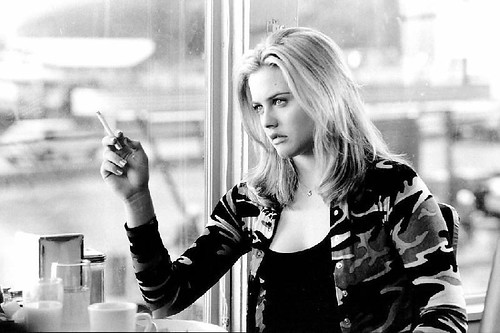
Clueless turned you into an honorary Beverly Hills kid, even if you were nowhere near Beverly Hills. Following Cher through mall trips and debate class, the movie became a blueprint for ’90s slang and the valley girl archetype, a status backed up when it tops best teen movies lists. NPR later noted how Clueless shifted the decade’s look away from grunge, with Cher’s plaid skirts and knee socks offering a brighter, preppier style that teens copied in real life.
That mix of sharp satire and genuine warmth is why you still quote “as if” without thinking. The film let you laugh at rich-kid absurdity while quietly teaching you about class, privilege, and how popularity actually works. When a teen comedy can reshape fashion, influence language, and still feel emotionally honest, it is not just a movie, it is a cultural reset for everyone navigating high school hallways.
10 Things I Hate About You
10 Things I Hate About You took Shakespeare’s The Taming of the Shrew and turned it into the prom-night playbook you did not know you needed. Starring Heath Ledger and Julia Stiles, it reimagined the classic battle of wills as a late-’90s high school showdown, a move that helped define how Generation X cinema handled romance and rebellion. The film proved you could sneak Elizabethan drama into a guidance counselor’s office and still make it feel like your own life.
What really stuck with you was how it treated teen feelings as serious, not just punchlines. Kat’s poem, Patrick’s stadium serenade, and the messy family dynamics all suggested that your crushes and grudges had real weight. By blending sarcasm with sincerity, the movie showed a generation that you could be skeptical of everything and still fall hard, setting the tone for countless coming-of-age stories that followed.
American Pie
American Pie crashed into the culture as the raunchy comedy your parents pretended not to know about. Centered on four friends making a pact to lose their virginity before prom, it quickly earned a spot among ’90s films labeled instant classics, a reputation reinforced in roundups of best 90s movies. The movie pushed teen sex jokes to the front of mainstream comedy, but it also normalized the awkwardness and insecurity that came with them.
Underneath the shock gags, you got a surprisingly earnest story about friendship and expectation. The characters’ failures, cringe moments, and last-minute realizations mirrored the pressure you might have felt to hit certain milestones by graduation. By treating embarrassment as universal instead of shameful, American Pie helped shift how teen humor handled sex, making space for more honest, if chaotic, conversations about what growing up actually looks like.
She’s All That
She’s All That gave you the definitive late-’90s makeover fantasy, complete with a bet, a staircase reveal, and a prom deadline. With Freddie Prinze Jr. and Rachael Leigh Cook at the center, the film became shorthand for the “take off the glasses, become a prom queen” storyline that dominated high school romances. Its influence is clear in lists of unforgettable teen romance movies, where it stands out as a key makeover-era touchstone.
Beyond the cliché, the movie captured how brutal social hierarchies could feel when you were stuck at a cafeteria table. It asked you to question who gets to decide what “cool” looks like and why one person’s approval can flip someone’s entire reputation. Even if you rolled your eyes at the transformation, you probably recognized the pressure to reinvent yourself before big milestones like prom, which is exactly why the story still lands.
The Craft
The Craft handed teen misfits something powerful: witchcraft as a metaphor for taking control. Following a coven led by Fairuza Balk and Neve Campbell, the film blended outsider cliques with supernatural stakes, earning a place among favorite 90s movies for its dark spin on high school life. Writers have unpacked how this story of WITCHES, with Nancy as their misanthropic ringleader, turned rage and vulnerability into literal magic.
For you, it might have been the first time a teen movie said that not fitting in could be a source of strength, not just pain. The film tackled bullying, trauma, and power abuse through spells and curses, but the emotional stakes were painfully real. By giving marginalized kids a coven instead of a punchline, The Craft helped a generation of teens see their anger and difference as something worth listening to.
Empire Records
Empire Records dropped you into a single chaotic day at an independent music store, where the staff felt more like your real friends than any glossy teen clique. With Liv Tyler and an ensemble of slackers trying to save their shop from a corporate takeover, it has been cited as a defining snapshot of 90s family and youth culture, especially for kids who grew up hanging around record bins instead of malls. The store’s fight against a chain takeover mirrored broader ’90s anxiety about selling out.
What made it resonate was how casually it treated big issues like mental health, money stress, and identity alongside crushes and band obsessions. You saw characters mess up, lash out, and still show up for each other by closing time. That mix of apathy and fierce loyalty captured Gen X teen energy, where you could joke about everything but still care deeply about the spaces and people that felt like home.
Romeo + Juliet
Romeo + Juliet took Shakespeare’s most famous Romance and dropped it straight into a neon-soaked version of the 90 culture. Directed by Baz Luhrmann, the film kept Shakespeare’s language while turning Romeo and Juliet into gun-toting, beach-partying teens, a bold approach praised as an innovative take on the classic tale in Romeo and Juliet retrospectives. Leonardo DiCaprio and Claire Danes made the tragedy feel like something that could unfold at your local gas station.
The stakes felt huge because the movie treated teen passion as world-ending, not childish. From the frantic editing to the MTV-style soundtrack, every choice screamed that your first love could be epic, even if adults rolled their eyes. By making it “probably the best way to get 90s teens to watch Shakespeare,” as one Internet commenter put it, the film proved that classic stories could plug directly into youth culture without losing their bite.
More from Vinyl and Velvet:

Leave a Reply