

For anyone who grew up in the ’90s, snack time was basically a personality trait. Lunchboxes, after-school TV, and weekend sleepovers all had their own signature treats, many of which quietly disappeared or changed beyond recognition. Here are eight childhood snacks from that decade that deserve a proper comeback, not just for nostalgia’s sake but because they nailed fun, flavor, and convenience in a way modern options still chase.
Dunkaroos
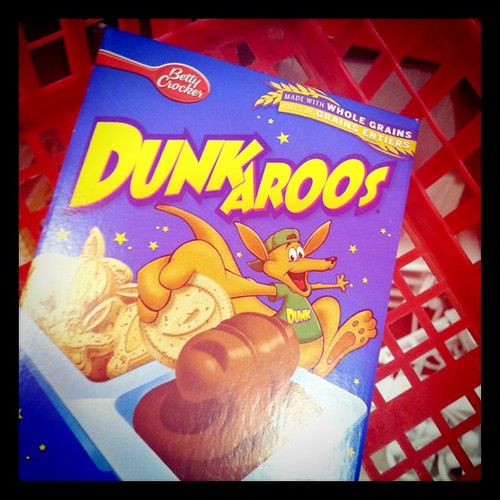
Dunkaroos were introduced in 1990 by Betty Crocker as a snack-sized pack of kangaroo-shaped cookies with a little well of frosting for dunking, a simple idea that instantly turned kids into DIY dessert chefs. Corporate history notes that the brand was discontinued in the United States in May 2012, leaving fans to reminisce or hunt for imports. A detailed look at the product confirms that Dunkaroos were always about that cookies-and-frosting combo, which made them feel more like a party than a snack.
The cultural footprint was big enough that a 2020 revival was treated like breaking news, with coverage explaining how Dunkaroos were popular in the 1990s and early 2000s before vanishing. Another report points out that they were first rolled out to the masses in the early ’90s alongside the kangaroo mascot Sydney, giving the brand a cartoon identity kids could spot from across the grocery aisle. One nostalgic write-up even calls them “the ultimate cool-kid snack,” noting that mini cookies dunked into frosting felt like a tiny celebration in every lunchbox. That kind of built-in ritual is exactly why people still want them back.
Gushers
Gushers fruit snacks hit shelves in 1991 under the Betty Crocker banner, and they were engineered for drama. Each chewy piece hid a burst of liquid fruit filling that exploded when bitten, which made them feel more like a science experiment than a standard gummy. According to the product timeline, that surprise center was the whole point, turning a basic fruit snack into something kids would trade for on the playground.
The timing could not have been better. Gushers peaked during the ’90s Nickelodeon era, when slime, goo, and over-the-top textures ruled kids’ TV. Ads leaned into that vibe, showing the snacks literally transforming kids’ heads, and the brand quickly became shorthand for “cool” in school cafeterias. For parents, they were an easy lunchbox add-on; for kids, they were a tiny rebellion against plain fruit snacks. That mix of sensory fun and cultural clout is exactly why a full-throttle comeback would land so hard today.
Fruit by the Foot
Fruit by the Foot, also introduced in 1991 by Betty Crocker, stretched the idea of a fruit snack into a 3-foot-long roll. Instead of bite-size pieces, kids unspooled a strip of chewy candy from a paper backing, turning snack time into a mini event. The brand’s own innovation notes highlight that some versions came printed with “tattoos” that could be peeled off and pressed onto skin, so the snack doubled as a temporary body-art kit.
In ’90s lunchboxes, that combination of length, color, and interactivity made Fruit by the Foot feel like a toy as much as food. Kids compared flavors, measured strips against their arms, and stuck the tattoos on their hands before soccer practice. Even though it is still available, its strongest identity is rooted in that decade, when parents were chasing convenience and kids were chasing novelty. A comeback that leans into the original tattoos and playful packaging would tap straight into that shared memory for both generations.
Surge
Surge arrived in 1997 from the Coca-Cola Company as a neon-green, citrus-flavored soft drink aimed squarely at teenagers who wanted something more intense than standard soda. Corporate archives describe it as a kind of energy drink for the pre-energy-drink era, loaded with caffeine and marketed with extreme-sports imagery. It was designed to compete directly with Pepsi’s Mountain Dew, and a detailed entry on Surge as a citrus-flavored soft drink spells out that rivalry.
The drink was discontinued in 2003 after sales dropped, but its fan base never really let go. A report on the brand’s return notes that Surge had been introduced as a competitor to Pepsi’s Mountain Dew and that vocal supporters pushed for a revival, which finally arrived in 2014. That kind of grassroots pressure shows how strongly ’90s teens, now adults, still connect with the brand. In an era obsessed with limited-edition drops and retro flavors, a wider, permanent Surge comeback would plug directly into both nostalgia and current energy-drink culture.
Crystal Pepsi
Crystal Pepsi launched in 1992 as PepsiCo’s bold experiment in clear cola, pitched as a cleaner, more transparent alternative that fit early ’90s health and purity trends. Marketing studies report that the drink initially sold 60 percent above expectations in its first year, which suggested that curiosity and the see-through gimmick were working. The formula kept the cola flavor while stripping out the caramel color, so it looked like a lemon-lime soda but tasted like something familiar and strange at the same time.
That novelty did not last. By 1994, Crystal Pepsi was pulled from shelves after a backlash to the flavor and confusion over what it was supposed to be. Yet the short run only added to its legend, turning it into a kind of white whale for soda collectors and ’90s kids who remember the clear bottles in vending machines. A carefully tuned reboot, with the original look and a more dialed-in taste, would hit the sweet spot between curiosity and comfort that modern drink brands chase constantly.
Bagel Bites
Bagel Bites showed up in 1991 from Heinz as mini frozen bagel pizzas, and they quickly became a freezer staple for kids who wanted something hot after school. Each piece combined a chewy bagel base with tomato sauce, cheese, and toppings like pepperoni, giving families a bite-size alternative to full pies. Brand history notes that the line later moved under Kraft ownership, but the core idea stayed the same, right down to the oven tray that made them easy for older kids to bake themselves.
The marketing hook was unforgettable. Ads hammered home the jingle, “Pizza in the morning, pizza in the evening, pizza at suppertime,” turning Bagel Bites into shorthand for all-day snacking. That tune still lives rent-free in many ’90s brains, and it captured a bigger shift toward convenience foods that fit any schedule. In a world now obsessed with air fryers and quick comfort food, a refreshed push for Bagel Bites, with new toppings or better ingredients, would slide neatly into both nostalgia and current eating habits.
Lunchables
Lunchables technically debuted in 1988 from Oscar Mayer, but they exploded in visibility throughout the ’90s as the ultimate pre-packaged kids’ meal. Each tray came with crackers, cheese, and deli meats, and later “Pizza Meal Kit” varieties let kids assemble their own mini pies with sauce and toppings. Internal sales data shows just how big the trend became, with more than 1 billion units sold annually by 1999, a figure that turned a simple convenience product into a cultural force.
Recent reporting on school-lunch trends notes that the bento-like box of crackers, deli meats and other snacks is still evolving, even moving into cafeteria programs. That staying power proves how strongly the Lunchables format fits modern schedules and kids’ desire for control over their food. A true ’90s-style comeback, with retro packaging and classic Pizza Meal Kit configurations, would not just trigger nostalgia, it would also speak to ongoing debates about processed food, affordability, and how much choice children should have at lunchtime.
Push Pops
Push Pops, introduced in 1992 by Nestlé under the Flav-R-Pac name, took the idea of a frozen treat and made it portable and mostly mess-free. The lollipop-style dessert sat inside a plastic tube, and kids pushed up from the bottom to reveal more as they ate, which kept sticky hands to a minimum. Brand timelines describe them as frozen treats designed for on-the-go snacking, a perfect match for playgrounds, pools, and summer camp.
The product was discontinued in 2017, but its ’90s legacy is all about those long, hot afternoons when every kid on the block seemed to have a brightly colored tube in hand. Parents liked that the design cut down on drips, while kids loved the control of deciding exactly how much to push up at once. In an era when retro ice cream trucks and novelty pops are trending again, a Push Pops revival would fit right into the renewed appetite for playful, portable summer snacks that feel straight out of childhood.
Supporting sources: Dunkaroos, popular 90s cookie and frosting snack, is ….
More from Vinyl and Velvet:

Leave a Reply