

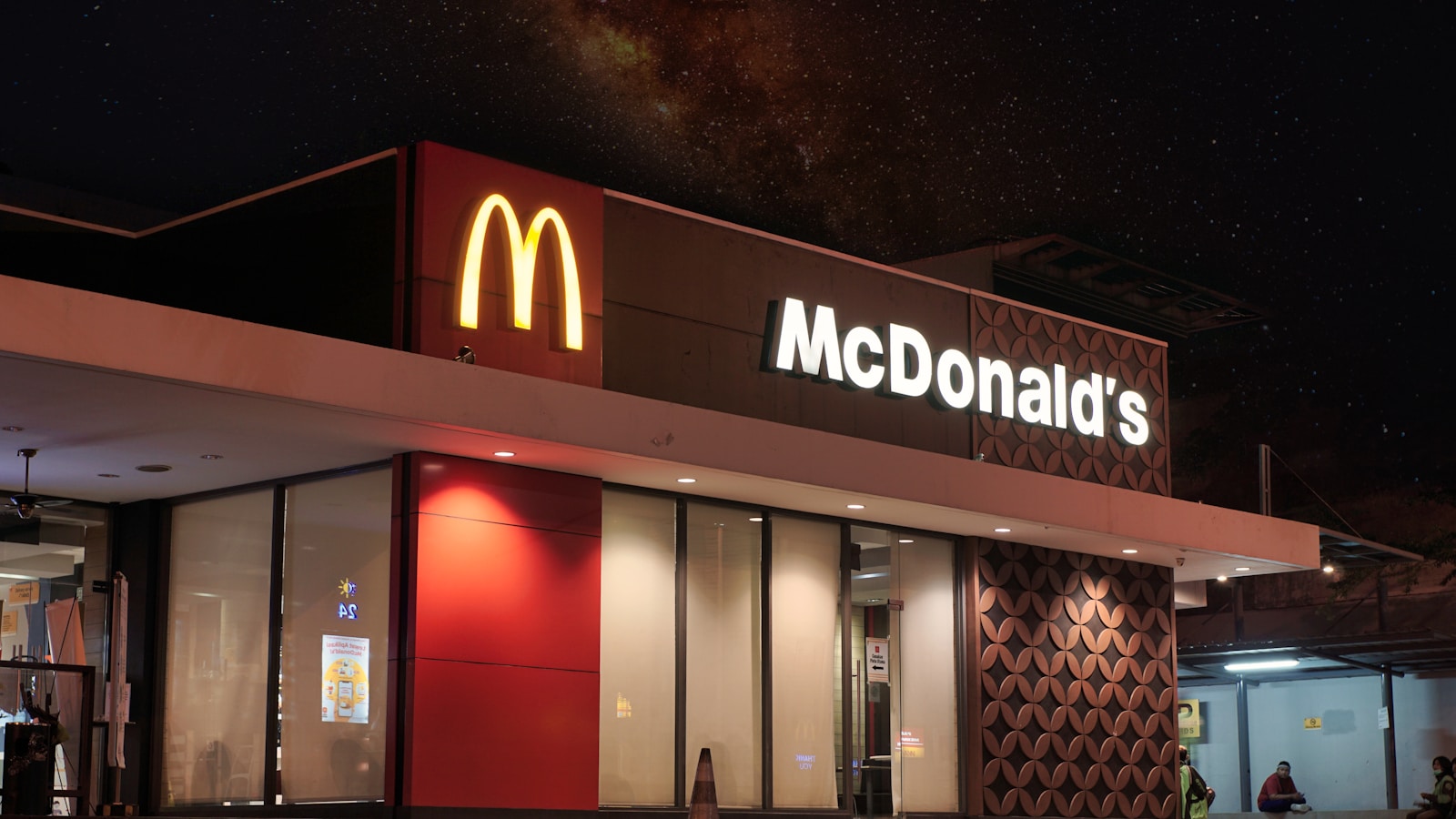
A McDonald’s employee found themselves caught in a rather peculiar situation during a bustling lunch rush when their manager issued a strict order to “stay out of the kitchen.” What unfolded over the next hour was a sequence of events that highlighted the chaos of fast food service.

The worker, who had only been on the job for a couple of weeks, was primarily responsible for handling customer orders, bagging meals, and ensuring the restaurant remained clean. After getting accustomed to the fast-paced environment, they met what would become a defining moment of their shift when the manager insisted on their presence at the register.
After spending some time behind the counter with no customers in sight, the employee ventured into the kitchen to help. This attempt was quickly thwarted by their manager, who directed them back to the front. “I mean it, you need to stay out there,” the manager insisted, growing more forceful as the minutes ticked by.
Respecting the directive, the employee stood at the register for a solid hour, observing the chaos develop around them while they waited. They noticed a frustrated customer longing for her order, a bag that was ready but remained unclaimed. With a sense of obligation to assist, they explained, “I’m sorry, I would get that for you but I’m not allowed back there right now.”
As the clock ticked down, the situation only escalated. The employee quickly realized they had run out of medium drink cups. When they asked a coworker for help, the coworker assumed they were unfamiliar with the location of the supplies. “No, I know where they are,” the worker explained, “but (the manager) doesn’t want me back there right now.”
The frustrations continued as another team member instructed them to distribute drink cups for orders placed on the kiosk. Once again, the employee had to decline, explaining, “I would love to but I’m not allowed to go back there and see what they ordered.”
Thirty minutes into the ordeal, boredom replaced the earlier tension, and the employee began to feel defeated. They attempted to advocate for their situation, stating how unproductive it felt to remain at the register while chaos swirled in the background. Eventually, a shift lead intervened, saying the worker should help instead of “shrinking their duty.”
It was at this point the employee had the chance to fully elaborate on their predicament. A general manager overheard and promised to address the situation with the manager who had enforced the rule. Following this, the manager pulled the employee aside, offering an apology. They explained that their own feelings of being overwhelmed led to the decision to keep the worker out of the kitchen.
This anecdote of workplace dynamics sparked interest online, especially in light of the somewhat absurd nature of the order given. One person pointed out that such strict adherence to rules without understanding the actual workflow could lead to inefficiencies that affect customer service.
Another reader noted that the employee had done well to respect the order despite the pressure to assist in the kitchen. “Sometimes it’s about knowing when to stand firm, even if it makes things a little chaotic,” the reader commented. Many shared similar experiences from jobs in fast-paced environments, highlighting the need for proper communication and flexibility from management.
Reflecting on the entire ordeal, it’s clear that the dynamics of the restaurant workplace can create tension between the need for structure and the demands of customer service. The employee’s decision to follow orders while also observing the impact on service raises questions about how companies balance operational policies against practical realities.
Despite receiving an apology from their manager in the end, the employee carried with them the memory of that hectic lunch hour, standing at the register while chaos churned in the kitchen behind them. Whether they will speak up or change the approach of management remains to be seen, as they weigh the importance of following orders against the realities of efficient service.
More from Vinyl and Velvet:

Leave a Reply