

Nickels might seem like ordinary coins you use every day, but some editions are far from common. Collectors are on the lookout for rare nickels that hold unique value due to their history, errors, or limited mintage.
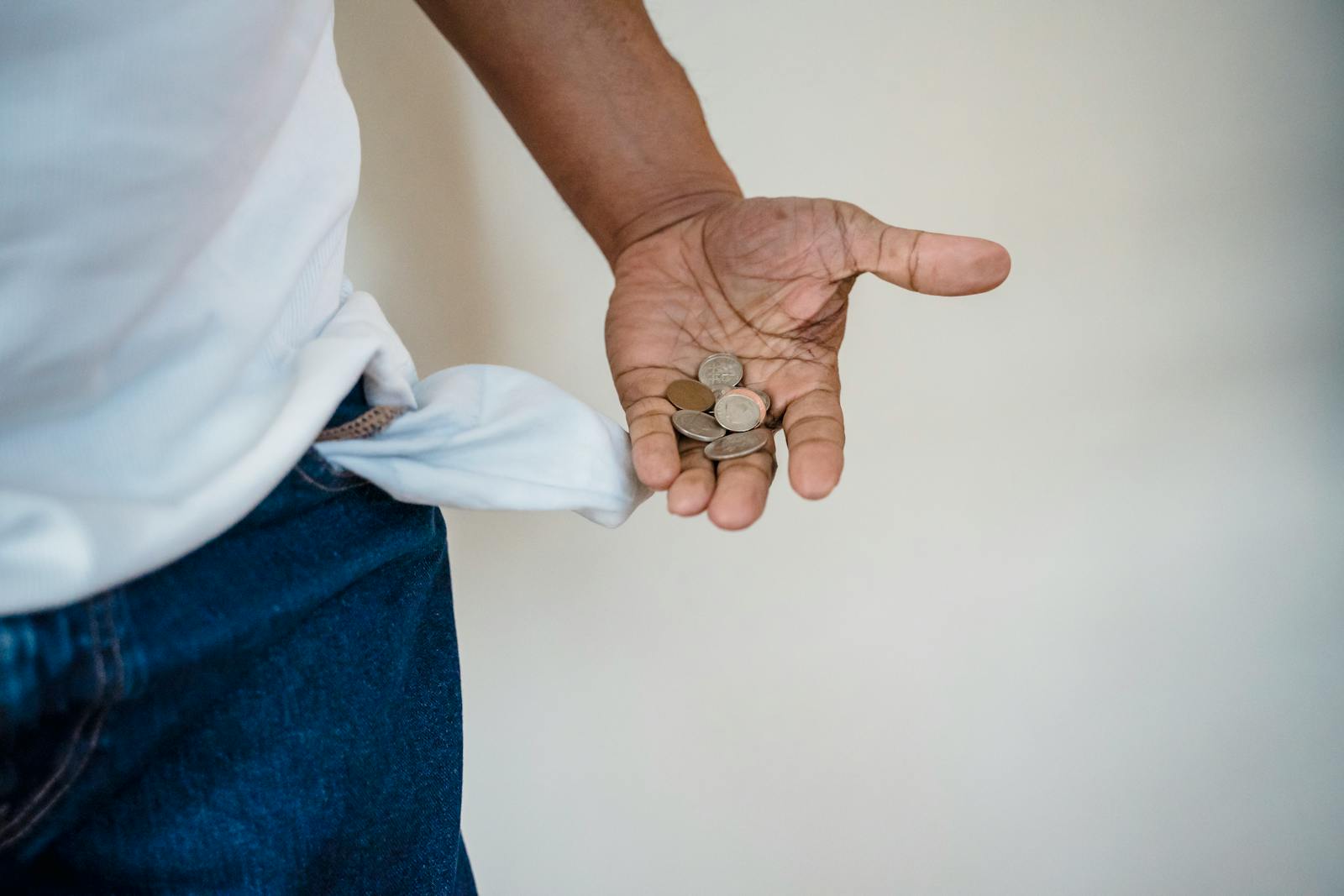
If you have an eye for coins, knowing which nickels stand out could help you spot something valuable in your change or collection. These rare nickels can be a surprising find, attracting interest from collectors and investors alike.
1913 Liberty Head Nickel
If you’re into rare coins, the 1913 Liberty Head Nickel is a big deal. Only five are known to exist, which makes it super rare.
What’s wild is that these nickels were never officially authorized by the U.S. Mint. Their history is full of mystery, adding to their appeal for collectors like you.
These nickels can sell for millions, so if you ever come across one, you’re holding something truly special. Just keep in mind, authentic ones are incredibly rare and valuable.
1954-S Jefferson Nickel MS67 FS
If you’re after a tough find, the 1954-S Jefferson Nickel in MS67 with Full Steps (FS) is one to watch. These coins show sharp details on Monticello’s steps, which many 1954-S nickels lack.
Only about 25 examples have been certified in any grade, so scoring one in MS67 with Full Steps is rare. If you get your hands on one, it’s worth a serious look from collectors.
1942/1 Overdate Jefferson Nickel
If you’re on the hunt for something unique, the 1942/1 Overdate Jefferson Nickel is a cool find. This coin shows a faint “1” under the “2” in the date, a result of a doubled stamp during production.
It’s not super common, so spotting one can be exciting. Condition matters here, as higher grades are scarcer. Keep an eye out, especially if you collect wartime nickels. You might just add a neat story piece to your collection.
1939-D Jefferson Nickel with Full Steps
If you’re hunting for a rare nickel, the 1939-D Jefferson with Full Steps is a great find. This coin stands out because of its low mintage—only about 3.5 million were made, making it one of the rarest in the series.
What really adds value is the “Full Steps” detail on Monticello’s steps. It’s a tricky feature to spot but can boost your coin’s worth significantly if the steps are fully visible. Keep an eye out; collectors prize these coins for their scarcity and condition.
1952 Jefferson Nickel
If you’re hunting for a rare nickel, the 1952 Jefferson is worth a look. The Denver Mint version is scarcer than others, but it’s not exactly rare since millions were made.
The value depends a lot on condition and mint marks, especially if you find one with full steps or high quality.
Collectors often seek well-struck coins from this year because most found in circulation don’t look great. Keep an eye out for proof versions from Philadelphia—they have a limited mintage and can be more valuable.
1983-P Jefferson Nickel
If you have a 1983-P Jefferson nickel, it might catch a collector’s eye. This coin is known for its high production but still has rare versions in mint state condition.
The Philadelphia Mint made over half a billion of these, making most common in circulated form. But if yours is in excellent shape, especially graded MS65 or higher, it could be worth more than face value.
Collectors often hunt for well-preserved examples, so check your coins carefully—you might have a hidden gem.
1991-P Jefferson Nickel
If you have a 1991-P Jefferson Nickel, it’s usually just worth face value. Most of these are common since they were made in large numbers.
But if your coin shows full steps on the Monticello building, it might be worth more. Full steps are rare and can bump its value to hundreds of dollars.
Keep an eye out for coins in mint state condition, especially MS65 or higher. Those tend to attract collectors looking for better quality examples.
1943-P Jefferson Nickel War Nickel
If you come across a 1943-P Jefferson Nickel, you’ve found a piece of history. This coin was made during World War II with a special mix containing 35% silver to save nickel for the war effort.
You’ll notice it has a unique silver shine, different from regular nickels. Collectors love hunting for the “Full Steps” variety, where the steps on Monticello’s design are fully visible. Those can be worth quite a bit more.
Your 1943-P nickel might not be just pocket change—it could be a cool wartime collectible.
1937-D 3-Legged Buffalo Nickel
If you’re into rare nickels, the 1937-D 3-Legged Buffalo Nickel is a must-watch. It got its name because one of the buffalo’s legs on the coin is missing, a result of an error during minting.
This mistake happened when a die was polished too much, erasing the front leg. You won’t find it everywhere, especially in good condition, so collectors are always on the lookout.
While not super rare, its unique look and story make it popular and often valuable. Keep an eye out for this little oddball.
1944-D Jefferson Nickel
If you’re hunting for a rare nickel, the 1944-D Jefferson Nickel is a solid pick. It’s part of the wartime series and stands out because of the big “D” mint mark on the back, right above Monticello.
This coin isn’t your typical copper-nickel. It contains 35% silver, which gives it a unique look and adds some value. Finding a clean one with full steps on Monticello’s backside can make it even more exciting for your collection.
1918/7-D Overdate Buffalo Nickel
If you’re hunting for a rare Buffalo nickel, the 1918/7-D overdate is a top prize. This coin shows a unique error where a 1917 date was partly stamped over with 1918, making it tricky to spot but highly valued.
It’s super rare, especially in higher grades. Finding one in Mint State or better is almost impossible, but even circulated examples are prized by collectors like you. Keep an eye out for the small die crack near the Indian’s braid—that’s a key identifier.
1948-P Jefferson Nickel with Full Horn
If you’re hunting for rare nickels, the 1948-P Jefferson Nickel with Full Horn is worth a look. This coin has a distinct raised mark on the buffalo’s horn, making it stand out.
Finding one in good condition isn’t easy, especially with the Full Steps detail intact. Collectors value this piece for its uniqueness and relative scarcity.
Keep an eye out for sharp details and minimal wear. Your chances of spotting one might be slim, but it’s a cool addition if it shows up.
More from Vinyl and Velvet:

Leave a Reply