

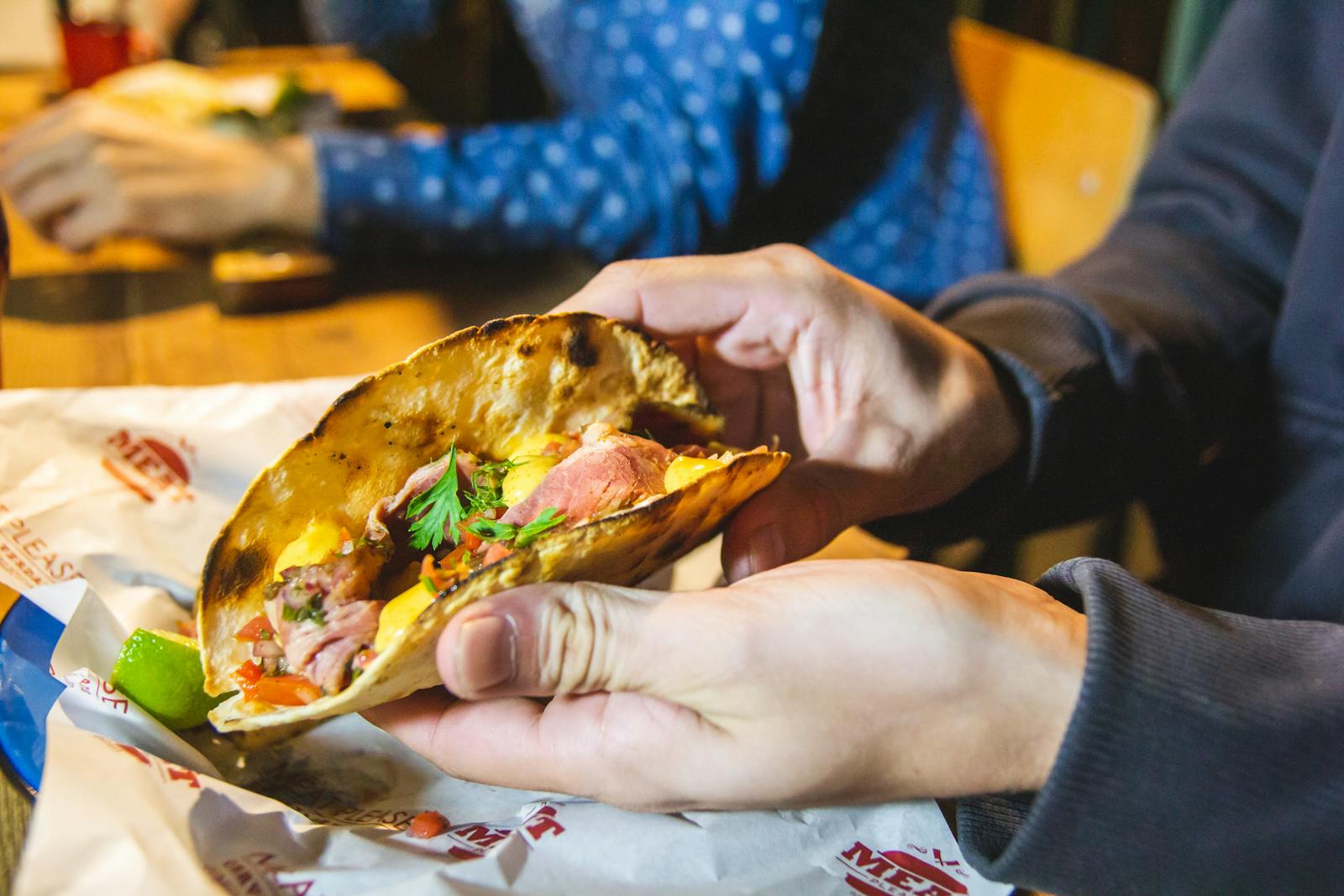
A customer recently walked into a fast-food restaurant, attempting to turn a simple taco into a loaded bowl, only to find herself facing unexpected charges. What began as an ordinary lunchtime order quickly escalated into a lesson about attempting to game the system.
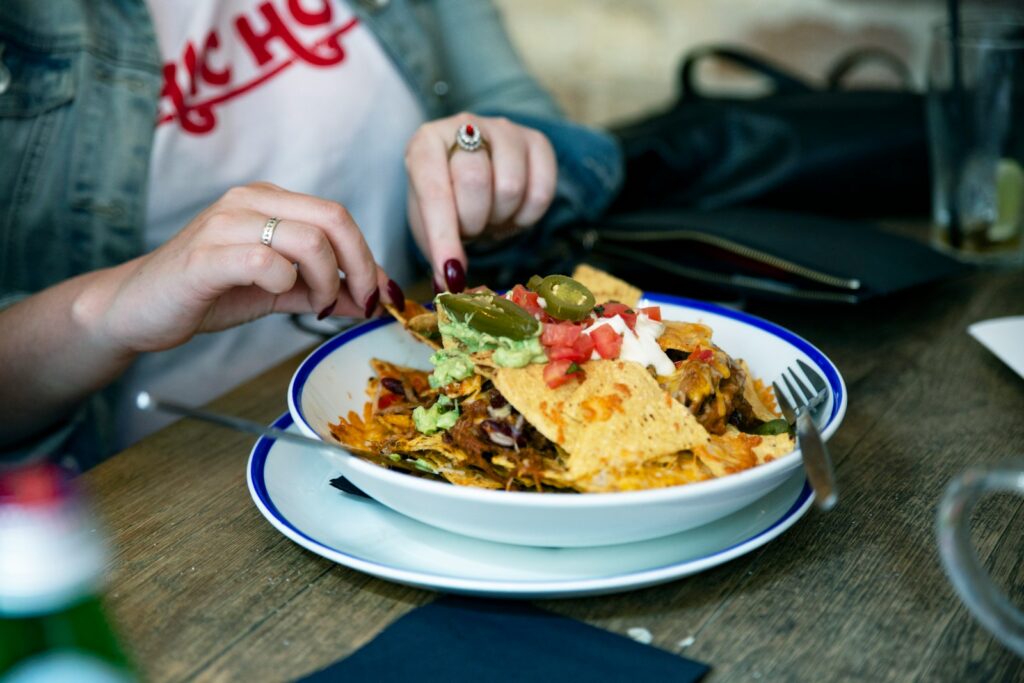
The customer had previously ordered a soft-shell taco, requesting it to be served in a bowl with extra toppings. This time, she returned with a similar request. But this visit was different; the restaurant was busy, and the employee who had helped her last time was occupied. Instead of a straightforward exchange, she encountered a situation that would lead to some confusion and frustration.
The challenge arose when the employee informed her that the taco could not hold the extra toppings she desired. The order went beyond the point of being a simple taco, requiring the staff to charge her for a bowl instead. The customer, wanting to maximize her food for the price, pressed for more ingredients, which only complicated matters. The employee, aware of the crowd building behind her, reluctantly allowed the additional toppings.
As the employee prepared the order, it became clear that the customer’s choices were causing significant weight in the bowl, making it difficult to close. With rice and beans piled high, the bowl was heavy and unwieldy. The employee had no choice but to explain that the amount she ordered required a bowl charge due to its substantial size.
The customer attempted to argue that it was still a taco, but those in line began to look at her incredulously. It seemed she realized that her claims were losing credibility, which only added to the awkward tension in the queue. The scene unfolded as other patrons observed her struggle against the rationale of the restaurant’s policies.
In the end, the customer paid the higher bill. She also got a drink, which sparked curiosity about whether it was an additional purchase or a complimentary offering. As she left, the employees returned to their routine, perhaps relieved that the situation didn’t escalate further despite the minute-long standoff.
The incident sheds light on a common issue in customer service: the tension between desire and regulation. Many customers seek to get more food for less money, but when that desire conflicts with the reality of restaurant procedures, it can lead to misunderstandings and discomfort.
One employee reflected on the situation, commenting that the amount of entitlement expressed by customers can be overwhelming. The experience serves as a reminder of the challenges faced by those working in fast-paced environments, especially when dealing with customers who think they can manipulate the system.
As the day continued, more customers came and went, each with their own stories and intentions. But for the employee, the taco bowl incident stood out as a moment of entitlement that seemed more common than unusual. It posed the question of how far people will go to save a few dollars or secure more food.
The exchange highlights the complex dynamics of fast food when customers attempt to navigate menu items creatively. While restaurants often have flexibility in serving customers, this case illustrates that there are limits to that flexibility. When orders become so inflated that they defy the original menu item, staff must enforce pricing structures to ensure fairness for all customers.
This sort of customer behavior is not uncommon. Many have encountered similar interactions in fast-food settings where individuals attempt to combine orders creatively but hit walls due to restaurant policies. One reader noted, “It’s frustrating when people don’t understand the limits of what they can order and then get upset when things don’t go their way.”
Another voiced sympathy for the employees, saying, “These workers are dealing with so much, and it’s not fair when customers try to game the system.” The support from patrons suggests a shared understanding of the difficulties faced in the restaurant industry, particularly when customers push the boundaries of what is reasonable.
Ultimately, the customer’s insistence on a bargain led her to a moment of realization in the middle of a busy fast-food restaurant. The isolation of her stance became apparent as fellow patrons observed her arguments, and the employee’s polite but firm handling of the situation brought her back to reality.
As she exited, there was a lingering question of whether she would attempt a similar strategy on future visits. For now, the incident reminds everyone that trying to cut corners, especially in fast food, can sometimes backfire unexpectedly.
More from Vinyl and Velvet:

Leave a Reply