

You might be surprised to learn that some rare wheat pennies are still showing up in pocket change today. These small coins, often overlooked, can actually hold significant value if you know what to look for.
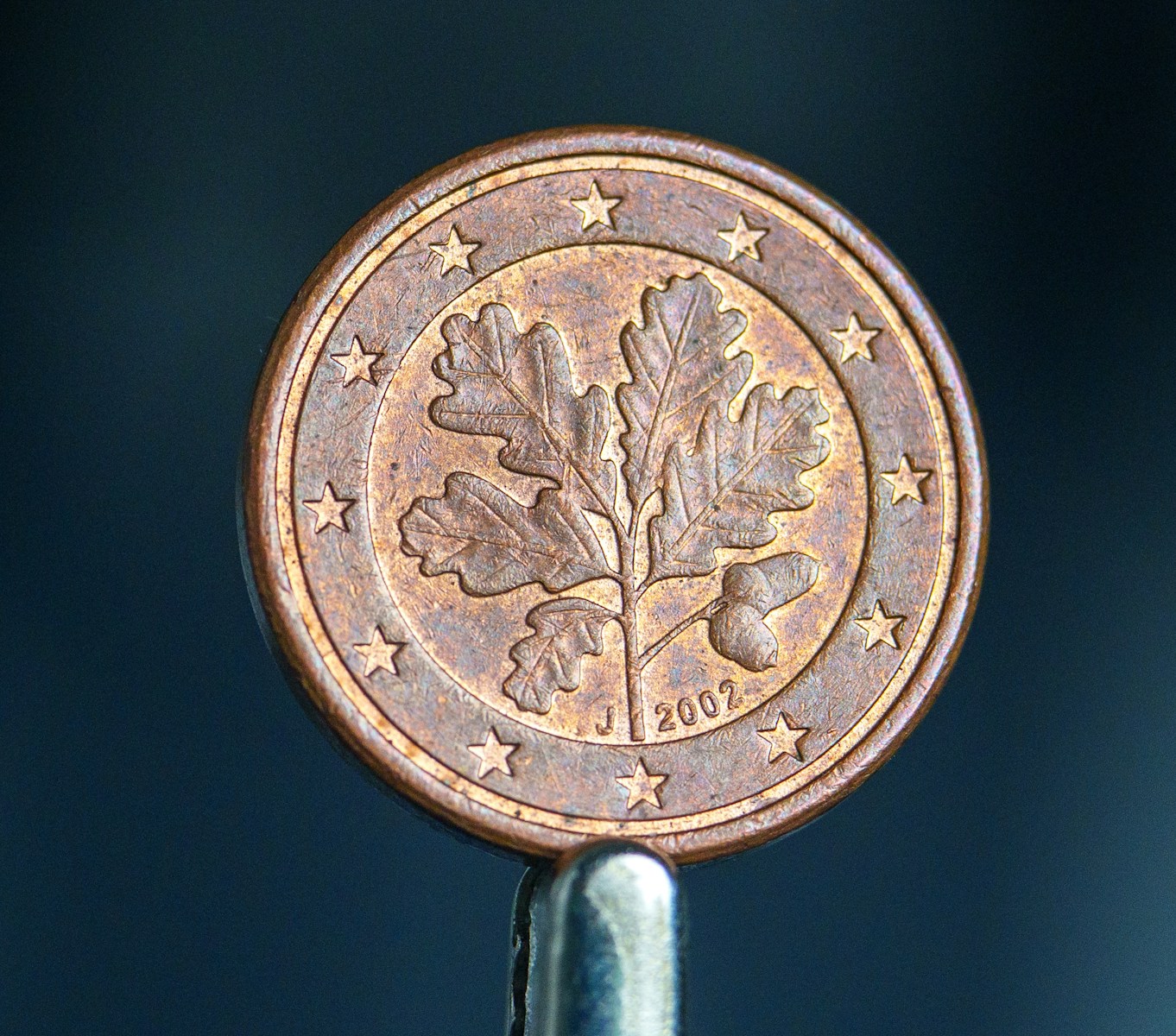
If you come across one of these 12 rare wheat pennies, it could be worth much more than just a cent. Knowing about these coins can turn your spare change into a small treasure hunt, giving you a fresh reason to check those old jars or loose coins.
1943 Copper Lincoln Wheat Penny
If you stumble upon a 1943 copper Lincoln Wheat Penny, you’ve found something truly special. Most pennies that year were made from steel because copper was needed for the war effort.
A few copper pennies were accidentally minted, making them extremely rare. If you think you might have one, it’s worth getting it checked out professionally.
These pennies can be worth hundreds of thousands to millions, depending on condition. So don’t just toss that old penny in your change jar just yet.
1909-S VDB Lincoln Wheat Penny
If you’re lucky enough to find a 1909-S VDB Lincoln Wheat Penny, you’ve got a rare piece of history on your hands. This coin is special because of its low mintage and the designer’s initials, VDB, on the back.
Even worn examples can be worth a good amount, often hundreds of dollars depending on condition. Keep an eye out for the “S” mint mark on the front—it’s what really makes this penny stand out to collectors.
1914-D Lincoln Wheat Penny
If you come across a 1914-D Lincoln Wheat Penny, you’ve found something pretty special. Only about 1.1 million were made at the Denver Mint, making it much rarer than other pennies from that year.
Because of its scarcity, this penny can be worth thousands, especially if it’s in good condition. Even though it’s still possible to stumble on one in your change, most collectors keep a close eye out for it. So, check your coins carefully—you might have a hidden treasure.
1922 No D Lincoln Wheat Penny
If you ever find a 1922 wheat penny without a “D” mint mark, you’ve stumbled on a pretty interesting piece. The Denver Mint was the only place making pennies that year, so every 1922 Lincoln cent should show that “D.”
These “No D” pennies are actually mint errors. They’re rare because most coins clearly have the mark. If your coin is high quality and missing the “D,” it could be worth a good chunk more than a regular 1922 penny. Keep an eye out—you might strike collector’s gold in your change.
1931-S Lincoln Wheat Penny
If you happen to find a 1931-S Lincoln Wheat Penny, you’ve got a pretty rare coin in your hands. Only about 866,000 of these were made, making it one of the lowest-mintage pennies in the series.
Because it’s so scarce, especially in good condition, collectors are always on the lookout for this penny. It can be worth significantly more than your average Wheat Penny if it’s well-preserved. Keep an eye out—you might be lucky enough to spot one in your change.
1955 Doubled Die Lincoln Wheat Penny
If you happen to find a 1955 Lincoln Wheat Penny, check the date and lettering closely. The doubled die error makes the numbers and letters look doubled and blurry. This mistake happened at the Philadelphia Mint and is pretty rare.
Even worn coins can be worth hundreds, while high-quality ones can fetch tens of thousands. It’s one of those coins that collectors get excited about when it turns up in pocket change. Keep an eye out—you might just have a small treasure in your hands.
1944 Steel Lincoln Wheat Penny
If you find a 1944 Lincoln Wheat Penny made of steel, you’ve got a serious rarity in your hands. These coins accidentally came from leftover 1943 steel planchets, making them extremely uncommon.
Only about 30 of these steel pennies are known to exist, so spotting one could be exciting. Their value varies, but they can be worth thousands, depending on condition and mint mark. Keep an eye out—it’s a true piece of World War II history.
1942/1 Overdate Lincoln Wheat Penny
If you come across a 1942/1 overdate penny, you’ve found something pretty neat. This coin shows a faint “1” under the “2” in the date, a result of the mint reusing a 1941 die.
It’s not super common but not insanely rare either. Collectors like it because it’s a nice example of mint error history. Check closely if you spot this—sometimes it’s subtle but definitely worth a second look.
1909-S Lincoln Wheat Penny
If you find a 1909-S Lincoln Wheat Penny, you’re holding a piece of history. This coin is one of the rarest and most sought after by collectors.
The “S” mint mark means it was made in San Francisco, and fewer were produced that year compared to others. That makes these pennies worth more than your average pocket change.
Condition matters a lot here. Even a worn 1909-S can be valuable, but well-preserved examples can really catch a buyer’s eye. Keep an eye out—it’s a cool coin to spot.
1916 Doubled Die Lincoln Wheat Penny
If you come across a 1916 Lincoln Wheat Penny with a doubled die, it’s worth taking a closer look. This error causes some parts of the design, like the date or lettering, to appear doubled. It’s not as flashy as some other famous doubled die coins but definitely catches the eye of collectors.
These pennies can sell for a decent premium depending on condition. Keep in mind, spotting the doubling often requires good lighting or magnification. It’s a cool find if you stumble on one in your change.
1937 Doubled Die Lincoln Wheat Penny
If you come across a 1937 Wheat Penny with doubled lettering or numbers, it might be worth a closer look. These doubled die errors happen during the minting process and can make the coin quite valuable.
You can find doubled die varieties on the date or the inscriptions, and some have sold for thousands of dollars. Condition matters a lot, so a well-preserved example will catch collectors’ eyes. Keep an eye out when sorting your change—you might have a hidden gem.
1917 Doubled Die Lincoln Wheat Penny
If you find a 1917 Lincoln Wheat Penny, check closely for doubling, especially on the date and “IN GOD WE TRUST.” This doubled die error is pretty distinctive and can make your penny stand out.
The design pivot creates a unique doubling effect, which collectors really like. While not super common in circulation, these coins pop up now and then, and spotting one can be a nice surprise in your pocket change.
More from Vinyl and Velvet:

Leave a Reply