

Coins with minting errors can be surprisingly valuable and catch the eye of collectors everywhere. If you know what to look for, some coins made with mistakes can be worth a lot of money, sometimes thousands of dollars or more. These errors happen during the minting process, creating unusual and rare versions of common coins.
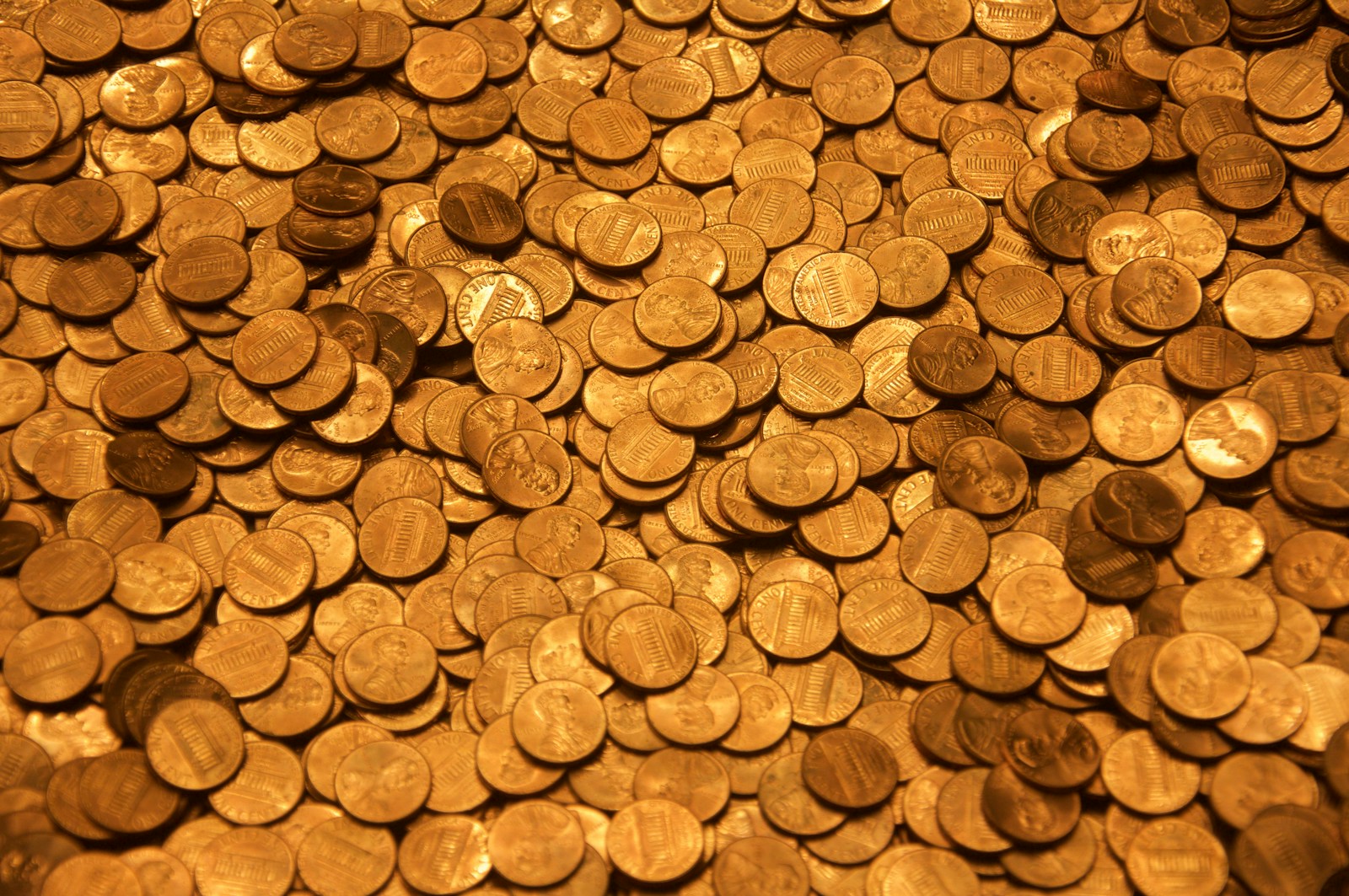
You might have one in your pocket or hiding among your change without even realizing it. Understanding the different types of minting errors and learning which ones hold value can help you spot potential treasures and decide if it’s worth getting them appraised or added to a collection.
1943 Bronze Lincoln Cent
If you’ve got a 1943 penny made of bronze instead of steel, you might be sitting on something rare. During World War II, pennies were made from steel coated in zinc because copper was needed for the war effort.
A few bronze blanks from 1942 accidentally got mixed in, creating these rare coins. Only a handful exist, making them highly valuable. Some have sold for hundreds of thousands to over a million dollars, depending on their condition and mint mark.
If you think you have one, it’s worth getting it checked out by a professional.
1955 Doubled Die Penny
If you come across a 1955 penny, take a close look. Some of these coins were minted with a misaligned die, causing the numbers and letters to appear doubled.
This error makes the coin stand out and can be worth a lot. Even worn examples can fetch $1,500 to $2,500. If you find one in great condition, it could be worth tens of thousands.
spotting this rare mistake can turn an ordinary penny into a valuable find for your collection.
1992 Close AM Lincoln Cent
If you have a 1992 Lincoln penny, it’s worth checking the spacing between the letters “A” and “M” in “AM” on “AMERICA.” Some coins have the letters closer together, known as the “Close AM” variety.
This version is rare compared to the regular wide spacing and can be worth hundreds or even thousands of dollars, depending on its condition.
Finding a genuine Close AM penny in good shape could turn your everyday change into something valuable. Keep an eye out for this subtle but sought-after error.
2004-D Wisconsin Extra Leaf Quarter
If you have a 2004-D Wisconsin quarter, check the corn stalk design closely. Some of these quarters show an extra leaf near the base of the stalk, a minting error collectors love.
There are two variations: the “High Leaf” and the “Low Leaf.” Both can be more valuable than regular quarters, especially if they’re in good condition.
This error happened during a special release celebrating Wisconsin’s agricultural heritage. Keep an eye out—you might have a small treasure in your pocket.
1958 Franklin Half Dollar with Missing Bell Lines
If you spot a 1958 Franklin Half Dollar missing the iconic lines on the Liberty Bell, you’ve found a neat error coin. These missing or weak bell lines are pretty rare and can boost the coin’s value.
Collectors love these small mistakes because they show a bit of the minting process going slightly off. You’ll want to check the coin’s condition since that affects its worth a lot. Keep an eye out for this subtle error if you’re hunting Franklin half dollars.
1972 Doubled Die Lincoln Cent
If you have a 1972 Lincoln cent, check the date and “LIBERTY” for doubling. The doubled die error shows clear separation on these letters. It’s one of the more famous minting mistakes from that year.
Not all 1972 pennies have this error, though. Only those from the Philadelphia and San Francisco mints show doubled die varieties. If you spot one, it could be worth significantly more than face value, ranging from a few thousand to even tens of thousands of dollars depending on condition.
1983 Double Die Reverse Washington Quarter
If you’ve got a 1983 Washington quarter, take a closer look—it might not be as ordinary as it seems. The Double Die Reverse error causes doubling on the coin’s back, making it a neat find for collectors.
These quarters can range from $14 to over $1,500 if uncirculated, with high-grade examples fetching even more. Some rare versions have sold for hundreds of thousands, but most you find will be worth much less. Still, worth checking your change, right?
1969-S Doubled Die Lincoln Cent
If you have a 1969-S Lincoln cent, check it closely. This coin shows a doubled image on the date and lettering. The doubling looks like the design was stamped twice, especially on “LIBERTY” and “IN GOD WE TRUST.”
These coins are rare, with only about 40 to 50 confirmed pieces. That makes them valuable, sometimes worth tens of thousands of dollars. But be careful—many fakes exist, so knowing the details helps protect your find.
1942/1 Mercury Dime Overdate
If you come across a 1942 Mercury dime, check the date carefully. Some of these dimes show an overdate error where the “1” from 1941 is still faintly visible under the “2” in 1942.
This mix-up happened during the minting process and makes the coin quite rare. Depending on its condition, your dime could be worth hundreds or even thousands of dollars. Keep an eye out for that subtle doubled date on the coin’s surface.
2000 Sacagawea Dollar Mule
If you come across a 2000 Sacagawea dollar with George Washington’s face on the front, you’re holding something rare. This mule error happened when the obverse of a Washington quarter was paired with the Sacagawea dollar’s reverse by mistake.
It’s a pretty unusual mix-up since these coins usually have completely different designs and metals. Collectors prize this kind of error because it shouldn’t exist, making your coin potentially very valuable if it’s genuine.
1979-S Double Die Lincoln Cent
If you come across a 1979-S Lincoln cent with noticeable doubling on the date or lettering, you’ve found a double die variety. These coins show a slight overlapping effect that happens during the minting process.
While not super rare, the 1979-S double die is definitely worth more than your average penny. Collectors often seek them out, especially if the coin is in good shape.
If your coin is uncirculated or has sharp details, it could fetch anywhere from $50 to more. Keep an eye out for those doubled features!
1999 Wide AM Lincoln Penny
If you have a 1999 penny, check the letters “A” and “M” in “AMERICA” on the back. The Wide AM variety shows a noticeable gap between those letters. This error happened because coins were struck using proof dies meant for special collector coins.
These pennies are rare and can be worth a lot, especially in high grades. Some have sold for thousands, so it’s definitely worth a close look if you want to see if your penny could be valuable.
2005 Doubled Die Lincoln Cent
If you come across a 2005 Lincoln cent, take a closer look at the details. Some of these pennies have a doubled die error, meaning the design was stamped twice with slight misalignment.
This causes parts of the image, like the date or lettering, to appear blurry or doubled. These coins aren’t extremely rare, but they can be worth more than regular pennies.
For collectors, spotting this kind of error adds an interesting twist. Your 2005 penny might just stand out in a stack if it shows these doubled images.
More from Vinyl and Velvet:

Leave a Reply