

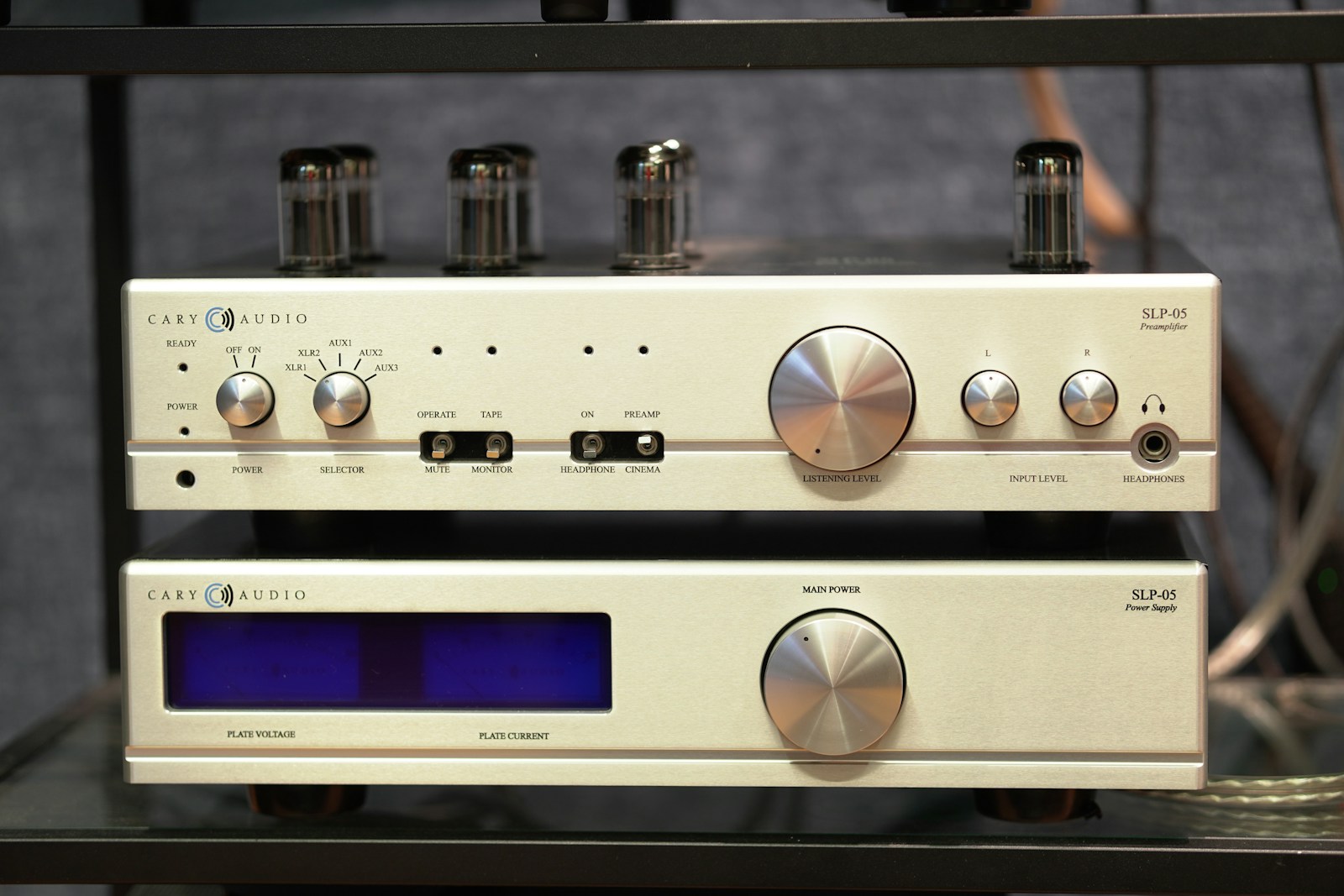
A vintage audio enthusiast in New York has found himself in a tight spot after recently winning a bidding war for a collection of 30 rare audio pieces at an auction. The total cost for this prized haul was around $6,000. However, shortly after taking possession of the gear, he received an unexpected text from the auctioneer, claiming that a piece of the equipment belonged to someone else and asking if he would consider returning it.
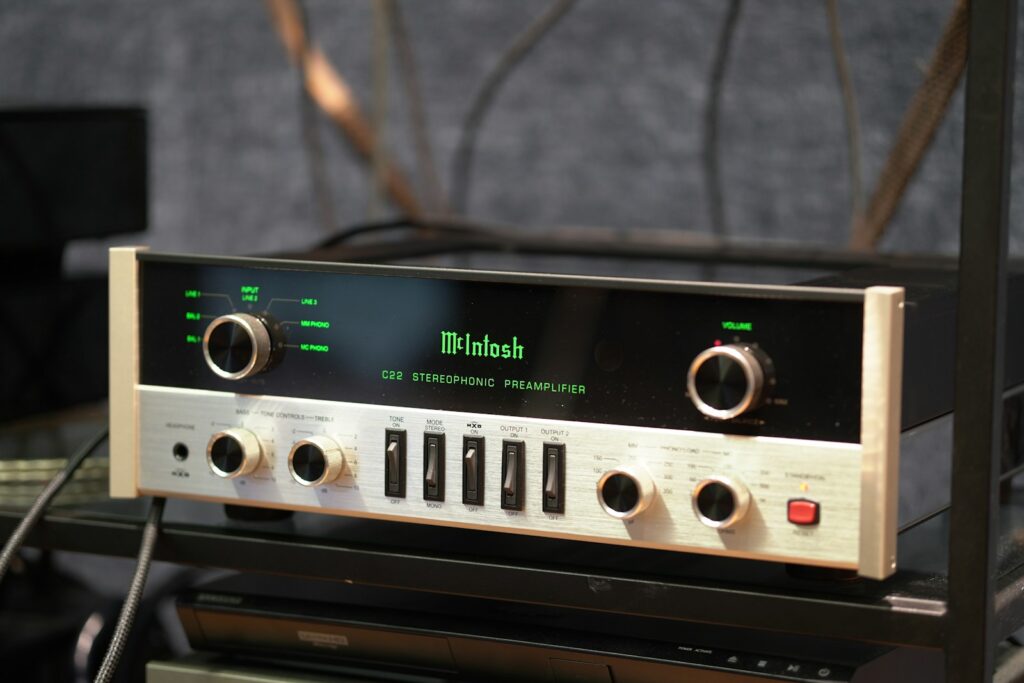
The buyer, who goes by the username Procrastinasean on Reddit, had big plans for the items he acquired. Among the collection, he noted rare tube amplifiers and a four-channel Technics reel-to-reel tape machine, some of which are considered one-of-a-kind treasures. He believed the entire collection could be worth upwards of $22,000, far exceeding his initial investment.
After receiving the text from the auctioneer, Procrastinasean was uncertain about how to proceed. The auctioneer’s wording—specifically the use of “would you”—left him questioning if they were genuinely requesting the return of the equipment or if they were hinting at legal ramifications. He was torn between keeping the equipment and the moral implications of doing so.
His primary concern was about the one piece that the auctioneer suggested might need to be returned. This item, valued at approximately $3,000, had been sold to him for just $600 as part of the auction. He was alarmed by the possibility of losing his acquisition, especially since he had made significant sacrifices to buy it, including pawning his watch to fund the purchase.
In his Reddit post, he expressed a desire for clarification regarding the auctioneer’s request. He also considered what compensation he would expect if he did decide to sell back the equipment. He mentioned wanting to at least cover the interest on his pawned watch and the effort he put into winning the auction.
One reader suggested that the auctioneer’s request might signal that the original owner was involved and hadn’t paid. This reader emphasized that it would be prudent for Procrastinasean to ensure everything was above board before deciding on a course of action. Another reader pointed out that returning the item might be the right thing to do if it indeed belonged to someone else, suggesting that good karma could play a role in future deals.
As he grappled with these opinions, Procrastinasean weighed the potential social and legal consequences of his decision. While some encouraged a straightforward return, others cautioned about not being taken for granted, especially given the significant difference in the item’s value compared to what he initially paid.
The auctioneer’s late-night message seemed to escalate the situation, adding pressure to an already complicated scenario. Procrastinasean’s thoughts turned toward the broader implications of the auction process and how legitimate ownership is established in such transactions. If the item rightfully belonged to someone else, he felt an obligation to return it, but he also didn’t want to be left empty-handed after a sizable investment.
As he prepared to respond, he acknowledged the possibility that the auctioneer may not have fully considered the ramifications of their request. The buyer noted he had won the auction fairly, completed the payment, and now faced uncertainty simply because the auction house might not have managed its inventory properly.
The unfolding situation has put Procrastinasean in a position where he must balance ethical considerations with his own financial interests. With the value of vintage audio gear constantly fluctuating, he knew that a decision either way could impact his financial future. He felt he had to navigate not only the auction’s aftermath but also the responsibilities that come with ownership.
As of now, he remains uncertain if he will return the item and is seeking further clarification from the auctioneer. He is weighing his options, considering factors like legal ownership, the auctioneers’ credibility, and the potential for profit against the ethics of possibly keeping something that might not be rightfully his.
More from Vinyl and Velvet:

Leave a Reply