

You probably have a handful of quarters sitting in your change jar without thinking twice about their value. While most coins are just everyday currency, some quarters are actually rare and could be worth a surprising amount.
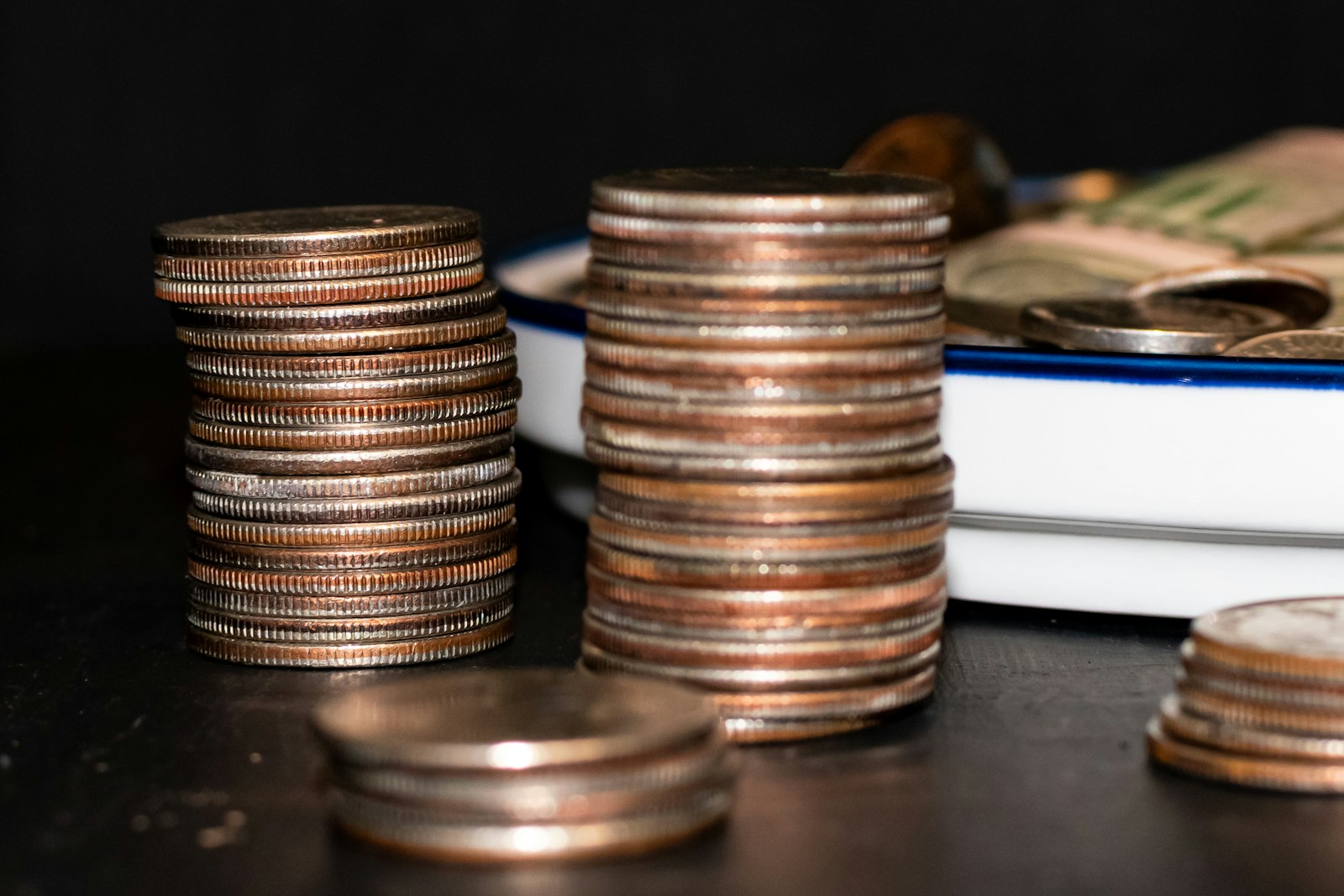
Knowing which quarters to look for can turn your loose change into a potential treasure trove. By taking a closer look, you might find coins that collectors are eager to add to their collections or pieces that contain valuable metals.
1969-S Doubled Die Obverse Quarter
If you’re hunting through your change, keep an eye out for the 1969-S Doubled Die Obverse quarter. This coin is pretty rare and shows clear doubling on the obverse, especially noticeable around the date and lettering.
It’s a sought-after error by collectors because only a limited number were made. Spotting the doubling takes a careful look at Washington’s hairlines and the inscriptions. Finding one could add some real value to your jar.
1976 Bicentennial Quarter with Double Die
If you come across a 1976 Bicentennial quarter, take a closer look at the lettering and Washington’s profile. Some of these quarters have a double die error, meaning certain parts like “LIBERTY” or the date appear doubled.
These mistakes happened during the minting process and make the coin more interesting to collectors. While most of these quarters are just worth 25 cents, a double die version can be worth hundreds, especially if it’s in good condition.
Check your change—you might have one hiding without realizing it.
1932-D Washington Quarter
The 1932-D Washington Quarter is one of the rarest quarters you might find in your collection. Only about 436,800 were originally made at the Denver Mint, making it a key date for collectors.
If you happen to have one in good condition, it could be worth thousands. Even coins with minor wear attract serious attention from collectors. Keep an eye out for this quarter—you might be sitting on something valuable.
1943-S Quarter with Mint Error
If you have a 1943-S quarter, it’s already a cool find with about 21.7 million minted. But if your coin has a mint error, it could be more interesting. Errors like doubled die or mint mark mistakes can boost its value.
Most 1943-S quarters in circulation are worth around $10, but error coins or those in great condition might fetch hundreds or more. It’s worth checking your coin under good light to spot any unusual details. You never know what might be hiding in your change jar.
1999-P Delaware State Quarter Doubled Die
If you happen to have a 1999-P Delaware quarter, check it closely. Some of these coins have a doubled die obverse error, which means the design looks doubled or blurry in spots.
This mistake is pretty rare and makes the quarter stand out. Collectors often look for this error, which can make your coin worth more than face value.
It’s worth a closer look if you want to see if your quarter is one of these unique finds. Keep an eye on letters and numbers for any doubling.
2004-D Wisconsin Quarter with Low Mintage
If you have a 2004-D Wisconsin quarter, it might be more interesting than just regular change. This quarter has a lower mintage compared to others in the series, making it a bit rarer.
Some versions of this coin even feature an “extra leaf” error on the ear of corn. Collectors pay close attention to these details because they can increase the coin’s value.
Most 2004-D Wisconsin quarters are common, but if yours is in great condition or has the low leaf variety, it’s worth checking out.
1983 No Mint Mark Washington Quarter
If you find a 1983 quarter without a mint mark, it’s most likely from the Philadelphia Mint. These coins are pretty common since millions were made that year.
While most of these quarters are just worth face value, a few in excellent condition might catch the eye of collectors. Keep an eye out for any unusual features or wear that could make yours stand out.
Usually, these coins won’t be a jackpot, but they’re still a neat piece of history to keep in your collection.
1964 Silver Washington Quarter
If you find a 1964 Washington quarter, you’ve got a piece of history. It’s the last year quarters were made with 90% silver. That silver content gives these coins extra value beyond just 25 cents.
After 1964, quarters switched to copper-nickel to save silver. Collectors like these because silver prices made the older coins more valuable. So, check your change jar—you might have a small silver investment tucked away.
2005 Minnesota Quarter with Unique Error
If you come across a 2005 Minnesota quarter, take a closer look. Some of these coins have a strange extra tree on the design’s left side near the main pine tree. This is a known mint error and can make your quarter more interesting to collectors.
It’s not super rare but still stands out in the state quarter series. Your extra-tree quarter likely won’t be worth a fortune, but it’s definitely cooler than the regular version. Keep an eye out next time you dig through your change!
1977-S Doubled Die Quarter
If you’ve got a 1977-S quarter, it’s worth a closer look. Some of these coins show a doubled die error, where parts of the design, like the date or lettering, appear doubled.
These errors aren’t super common but can make your quarter more valuable than face value. Usually, the clearer and more noticeable the doubling, the better.
Keep in mind, condition matters. Higher-grade coins with this error can attract collectors interested in rare mint mistakes. So, check your change carefully—you might have a little treasure.
1987-W Proof Washington Quarter
If you have a 1987-W Proof Washington Quarter, it might be worth a closer look. These coins were specially made at the West Point Mint and aren’t found in general circulation.
Proof coins have sharp details and a mirror-like finish, which collectors love. While not extremely rare, they still hold more value than regular quarters, especially if your coin is in great shape. Keep an eye out for these in your collection—they could be a neat find.
1995-S Silver Proof Quarter
If you find a 1995-S Silver Proof Quarter, you’re looking at a coin made with 90% silver. Unlike regular quarters, this one was made only for special Silver Proof Sets.
Only around 839,000 were minted, making it a rarer find than typical 1995 quarters. Its value varies depending on condition but generally can be worth around $10 to $60.
Keep an eye out if your coin looks shiny and has a reflective finish—that’s a good sign it might be this silver proof version.
2000-P Quarter with Off-Center Strike
If you stumble on a 2000-P Virginia quarter that looks a bit off, it might have an off-center strike. This means the design wasn’t stamped in the right spot, leaving part of the coin blank.
These errors aren’t super common, but they do happen. Depending on how off-center the strike is, your quarter could catch some collector interest. Most of these coins were made in huge numbers, but the error versions stand out. Keep an eye out for any unusual looks in your change!
More from Vinyl and Velvet:

Leave a Reply